THE ADVENTURE COLLECTIVE® · Independent discovery and booking for outdoor travel

Head offshore from Sesimbra for a focused five‑hour sport fishing trip that targets pargo, mackerel, sargos and seasonal gilt‑head bream. Whether you’re a first‑time angler or a seasoned rod‑handler, local skippers and full equipment make this an accessible, action‑packed day on the Atlantic.
Head offshore from Sesimbra for a focused five‑hour sport fishing trip that targets pargo, mackerel, sargos and seasonal gilt‑head bream. Whether you’re a first‑time angler or a seasoned rod‑handler, local skippers and full equipment make this an accessible, action‑packed day on the Atlantic.
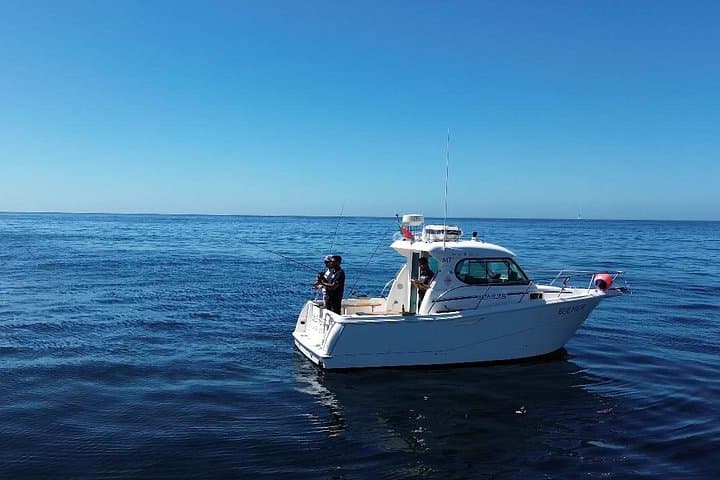
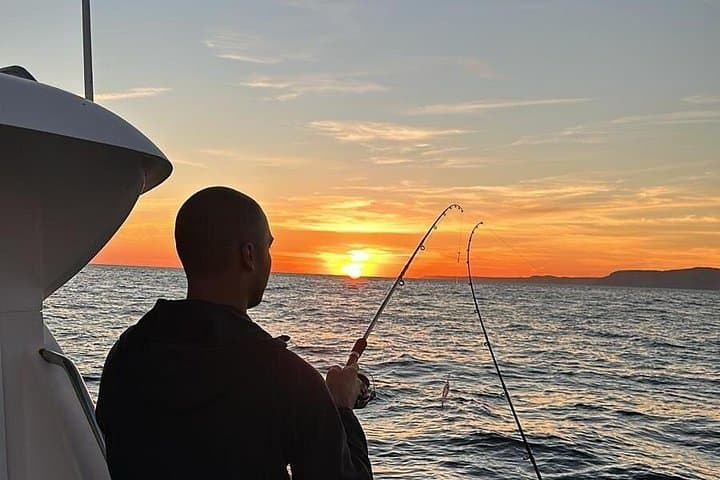
The bow slices a pale glass of water and the cliffs of Arrábida peel away to reveal open Atlantic blue. Salt and engine oil mix with the quick laughter of anglers as lines arc into the swell; the sea answers with a tug, a flash, or the slow, stubborn weight of a fish that refuses to come easy. This is a day aboard Blue Front—five hours of coastal sport fishing out of Sesimbra, where fishing is less a pastime than a local language.
Verified experiences and guided adventures in the surrounding area.
Operated by Blue Front · Sesimbra, Setúbal
The bow slices a pale glass of water and the cliffs of Arrábida peel away to reveal open Atlantic blue. Salt and engine oil mix with the quick laughter of anglers as lines arc into the swell; the sea answers with a tug, a flash, or the slow, stubborn weight of a fish that refuses to come easy. This is a day aboard Blue Front—five hours of coastal sport fishing out of Sesimbra, where fishing is less a pastime than a local language.
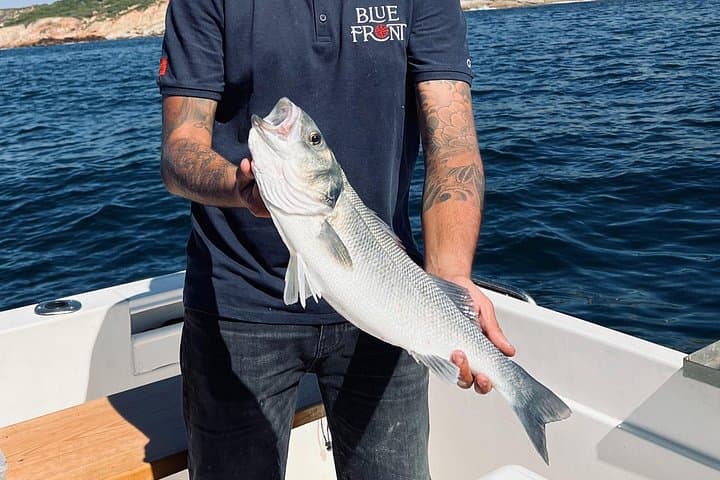
Sesimbra sits at the southern edge of the Setúbal Peninsula, a town forged by the sea and defended by a 17th‑century castle that still watches the harbor. The coastline here is limestone folded into cliffs and coves by tectonic pressure and Atlantic abrasion; those same geological shelves concentrate baitfish and make for dramatic drop-offs where pargos (red porgies), mackerel, sargos, and gilt‑head bream feed.
Culturally the town keeps a straightforward relationship with the ocean. Families run tackle shops, restaurants hang catch lists on chalkboards, and the rhythms of boats—dawn departures and late returns—still set the tempo. Much of the coastline lies within sight of Arrábida Natural Park, where human activity is moderated by conservation rules that aim to balance tourism and traditional fishing.
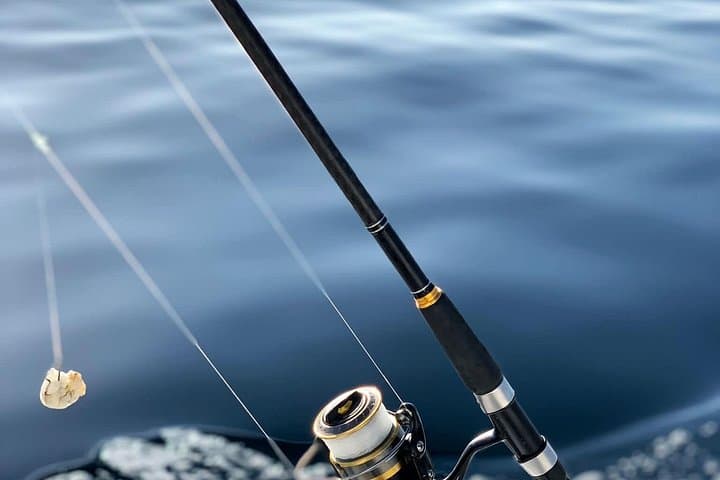
On the water you’ll switch between techniques: light tackle for mackerel and sargos, bottom rigs for pargo, and the seasonal pursuit of gilt‑head bream (best November–January). The operator provides a skipper, guide, life vests, rods and tackle, bottled water, and basic safety gear. Trips are shared and capped at six passengers, which keeps the boat manageable and the action social.
Practical guidance: book morning or late‑afternoon slots when fish are most active and winds are lighter. Wear non‑slip deck shoes and layered clothing—sea spray and Atlantic breezes can cool quickly. Bring sunscreen, a hat, polarized sunglasses for spotting fish shadows, and seasickness medication if you’re prone; the boat is stable but offshore conditions change fast. If you plan to keep your catch, know local size and bag limits and bring ID for any required paperwork.
For first‑timers the crew will rig gear and show knotwork and retrieval techniques; for experienced anglers, the structure of the trip still rewards patient casting and attention to currents. Whether you leave with a pan of fillets or just the bright memory of a line screaming free, this is a hands‑on way to meet the Portuguese coast—direct, salty, and particular about how it’s treated.
moderate.
5 hours.
Basic balance and stamina for standing and hauling; must be comfortable on a moving vessel.
Common targets include pargo (porgies), mackerel, sargos, and seasonal gilt‑head bream—species and abundance vary by month and sea conditions.
Yes—rods, tackle, life vests and guidance from the crew are included in the trip price.
Absolutely; the crew helps rig lines, shows basic techniques and assists during hook‑up and landing.
The operator notes wheelchair accessibility at the meeting point and supports guests with limited mobility for shore access, but boarding assistance may be required.
Full refunds are available if you cancel at least 24 hours before departure; trips may be canceled for bad weather.
Yes, but follow local size and bag limits and discuss cleaning or storage options with the crew before departure.
Sesimbra’s identity was shaped by fishing and coastal defense; the town’s castle and port reflect centuries of maritime trade and local fisheries.
Parts of the coastline sit inside Arrábida Natural Park and fishing activity is regulated—practice catch‑and‑release for vulnerable species and follow local rules to reduce pressure on stocks.
Blue Front operates guided outdoor trips and adventures with an emphasis on safety, stewardship, and memorable experiences.
The bow slices a pale glass of water and the cliffs of Arrábida peel away to reveal open Atlantic blue. Salt and engine oil mix with the quick laughter of anglers as lines arc into the swell; the sea answers with a tug, a flash, or the slow, stubborn weight of a fish that refuses to come easy. This is a day aboard Blue Front—five hours of coastal sport fishing out of Sesimbra, where fishing is less a pastime than a local language.
The bow slices a pale glass of water and the cliffs of Arrábida peel away to reveal open Atlantic blue. Salt and engine oil mix with the quick laughter of anglers as lines arc into the swell; the sea answers with a tug, a flash, or the slow, stubborn weight of a fish that refuses to come easy. This is a day aboard Blue Front—five hours of coastal sport fishing out of Sesimbra, where fishing is less a pastime than a local language.
Sesimbra sits at the southern edge of the Setúbal Peninsula, a town forged by the sea and defended by a 17th‑century castle that still watches the harbor. The coastline here is limestone folded into cliffs and coves by tectonic pressure and Atlantic abrasion; those same geological shelves concentrate baitfish and make for dramatic drop-offs where pargos (red porgies), mackerel, sargos, and gilt‑head bream feed.
Culturally the town keeps a straightforward relationship with the ocean. Families run tackle shops, restaurants hang catch lists on chalkboards, and the rhythms of boats—dawn departures and late returns—still set the tempo. Much of the coastline lies within sight of Arrábida Natural Park, where human activity is moderated by conservation rules that aim to balance tourism and traditional fishing.
On the water you’ll switch between techniques: light tackle for mackerel and sargos, bottom rigs for pargo, and the seasonal pursuit of gilt‑head bream (best November–January). The operator provides a skipper, guide, life vests, rods and tackle, bottled water, and basic safety gear. Trips are shared and capped at six passengers, which keeps the boat manageable and the action social.
Practical guidance: book morning or late‑afternoon slots when fish are most active and winds are lighter. Wear non‑slip deck shoes and layered clothing—sea spray and Atlantic breezes can cool quickly. Bring sunscreen, a hat, polarized sunglasses for spotting fish shadows, and seasickness medication if you’re prone; the boat is stable but offshore conditions change fast. If you plan to keep your catch, know local size and bag limits and bring ID for any required paperwork.
For first‑timers the crew will rig gear and show knotwork and retrieval techniques; for experienced anglers, the structure of the trip still rewards patient casting and attention to currents. Whether you leave with a pan of fillets or just the bright memory of a line screaming free, this is a hands‑on way to meet the Portuguese coast—direct, salty, and particular about how it’s treated.