THE ADVENTURE COLLECTIVE® · Independent discovery and booking for outdoor travel

Board a licensed marine center vessel from Sesimbra Marina for a three‑hour educational cruise through Arrábida Maritime Park. Guided by a biologist, the trip combines high sighting rates of dolphins, seasonal visits from pelagic species, and a coastal snorkeling stop.
Board a licensed marine center vessel from Sesimbra Marina for a three‑hour educational cruise through Arrábida Maritime Park. Guided by a biologist, the trip combines high sighting rates of dolphins, seasonal visits from pelagic species, and a coastal snorkeling stop.
A salt spray lifts as the boat slips out of Sesimbra Marina, the Arrábida coast drawing a low, broken shoulder of limestone against the sky. Within minutes the rhythm of the Atlantic sets the pace: birds wheel, the hull cuts an easy arc, and a marine biologist points out the first dorsal fins slicing the surface.
Verified experiences and guided adventures in the surrounding area.
Operated by Bolhas Tours · Sesimbra, Setúbal District
A salt spray lifts as the boat slips out of Sesimbra Marina, the Arrábida coast drawing a low, broken shoulder of limestone against the sky. Within minutes the rhythm of the Atlantic sets the pace: birds wheel, the hull cuts an easy arc, and a marine biologist points out the first dorsal fins slicing the surface.
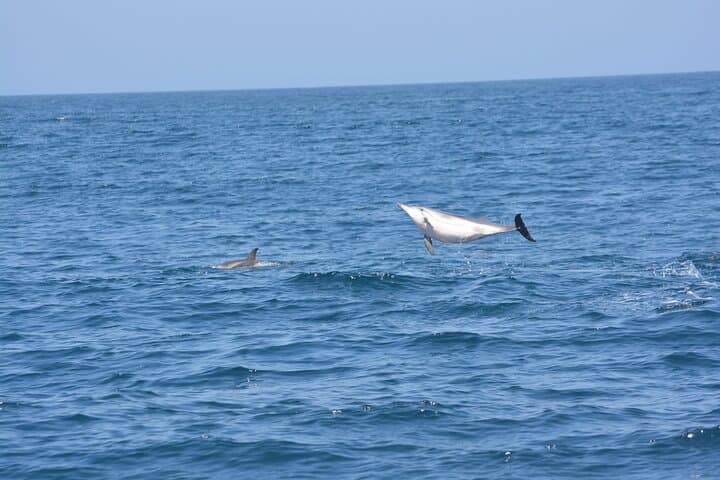
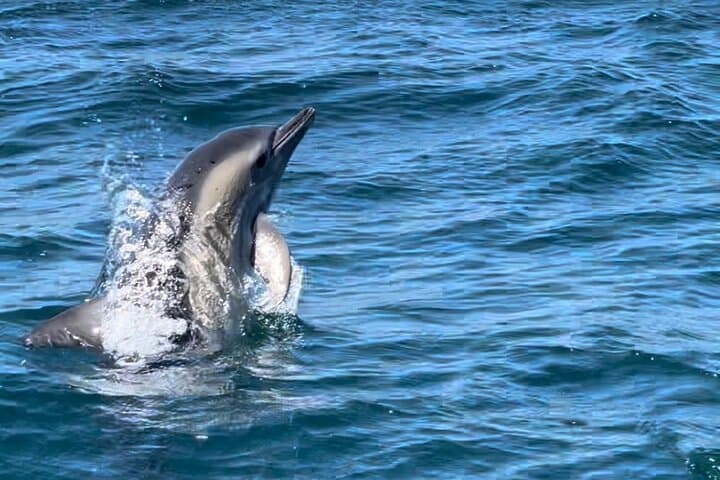
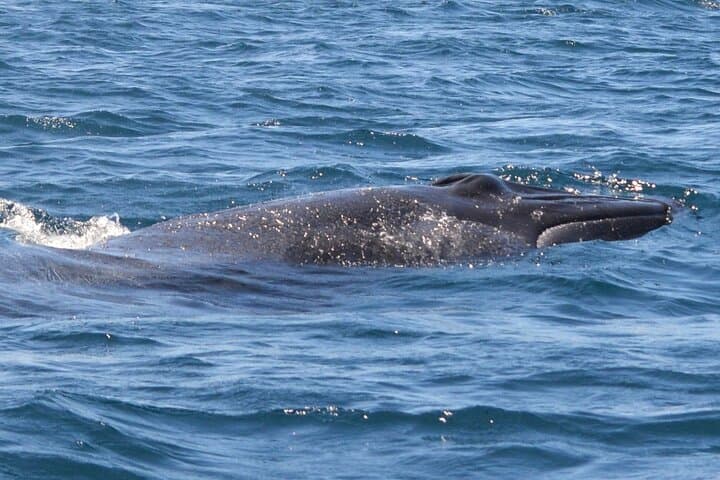
The Arrábida Maritime Park is part of a UNESCO Biosphere Reserve; its sheltered bays and steep limestone cliffs were carved by tectonic uplift and wave action, and centuries of fishing and maritime trade have layered local culture with sailor legends and pirate tales. In summer, pelagic species—swordfish and transient tuna—move close to these productive waters, while resident common and bottlenose dolphins are the most frequent visitors.
On this three-hour outing expect guided observation with an educational focus: the crew follows best-practice viewing protocols to avoid disturbing cetacean behavior, and the biologist offers natural history briefings throughout the cruise. The itinerary typically includes two hours of offshore searching and a coastal stop for snorkeling in a sheltered bay where a local drink and storytelling round out the experience.
Practical advice: arrive at the marine center 30 minutes early for check-in, life-jacket fitting, and a safety briefing; wear layered clothing, reef-safe sunscreen, and bring a waterproof camera and seasickness prevention if prone to motion sickness. Tours run year-round, with higher pelagic activity in summer; minimum passenger requirements and weather cancellations are standard. For families and first-time wildlife watchers this tour balances comfort, accessibility, and a strong conservation message—an efficient, informative way to meet Arrábida’s sea life.
easy.
3 hours.
Accessible to most fitness levels; involves short periods of standing and boarding a small vessel and optional snorkeling.
The operator reports a very high cetacean sighting rate and advertises near‑100% sightings, but no tour can guarantee wild animal behavior; weather and seasonal movements affect encounters.
Yes—this operator notes the marine center and vessel access as wheelchair and stroller accessible and welcomes families; check specific boarding assistance needs in advance.
Yes—there’s a coastal stop for swimming and snorkeling; basic snorkeling equipment is typically offered but bringing your own mask ensures the best fit.
Tours can be canceled for bad weather with refund rules varying by operator; this tour offers full refunds if canceled at least 24 hours before departure and will cancel if conditions are unsafe.
The Arrábida coast has long been a fishing and shipbuilding zone; its cliffs hide caves and old smuggling routes tied to centuries of maritime trade.
Tours operate under local licensing and adhere to observation guidelines; visitors can support conservation by choosing certified operators and avoiding single‑use plastics.
Bolhas Tours operates guided outdoor trips and adventures with an emphasis on safety, stewardship, and memorable experiences.
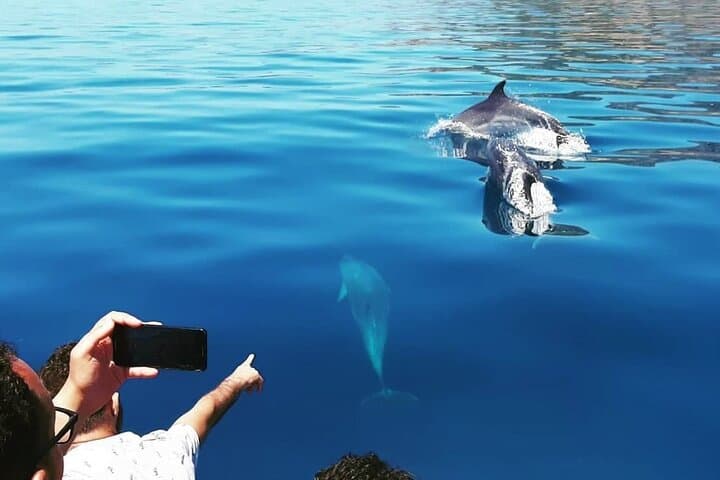
A salt spray lifts as the boat slips out of Sesimbra Marina, the Arrábida coast drawing a low, broken shoulder of limestone against the sky. Within minutes the rhythm of the Atlantic sets the pace: birds wheel, the hull cuts an easy arc, and a marine biologist points out the first dorsal fins slicing the surface.
A salt spray lifts as the boat slips out of Sesimbra Marina, the Arrábida coast drawing a low, broken shoulder of limestone against the sky. Within minutes the rhythm of the Atlantic sets the pace: birds wheel, the hull cuts an easy arc, and a marine biologist points out the first dorsal fins slicing the surface.
The Arrábida Maritime Park is part of a UNESCO Biosphere Reserve; its sheltered bays and steep limestone cliffs were carved by tectonic uplift and wave action, and centuries of fishing and maritime trade have layered local culture with sailor legends and pirate tales. In summer, pelagic species—swordfish and transient tuna—move close to these productive waters, while resident common and bottlenose dolphins are the most frequent visitors.
On this three-hour outing expect guided observation with an educational focus: the crew follows best-practice viewing protocols to avoid disturbing cetacean behavior, and the biologist offers natural history briefings throughout the cruise. The itinerary typically includes two hours of offshore searching and a coastal stop for snorkeling in a sheltered bay where a local drink and storytelling round out the experience.
Practical advice: arrive at the marine center 30 minutes early for check-in, life-jacket fitting, and a safety briefing; wear layered clothing, reef-safe sunscreen, and bring a waterproof camera and seasickness prevention if prone to motion sickness. Tours run year-round, with higher pelagic activity in summer; minimum passenger requirements and weather cancellations are standard. For families and first-time wildlife watchers this tour balances comfort, accessibility, and a strong conservation message—an efficient, informative way to meet Arrábida’s sea life.