THE ADVENTURE COLLECTIVE® · Independent discovery and booking for outdoor travel

A compact, easy levada walk through Serra D'Água that pairs laurisilva forest with sweeping views of Madeira's south coast. Ideal for travelers who want a short, interpretive hike combining natural history and island culture.
A compact, easy levada walk through Serra D'Água that pairs laurisilva forest with sweeping views of Madeira's south coast. Ideal for travelers who want a short, interpretive hike combining natural history and island culture.
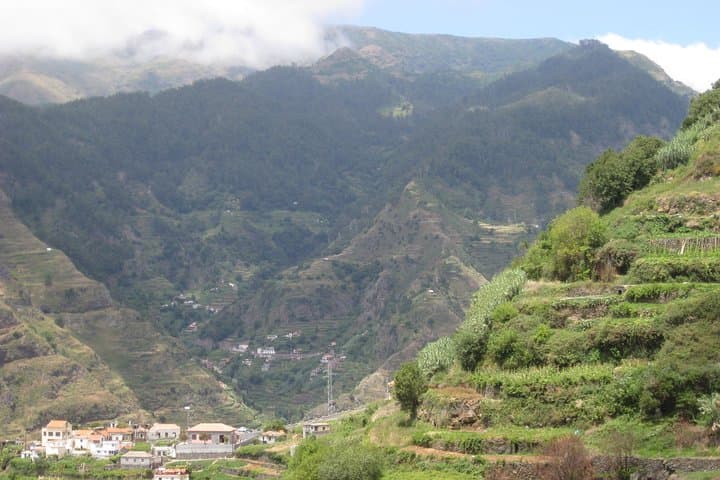
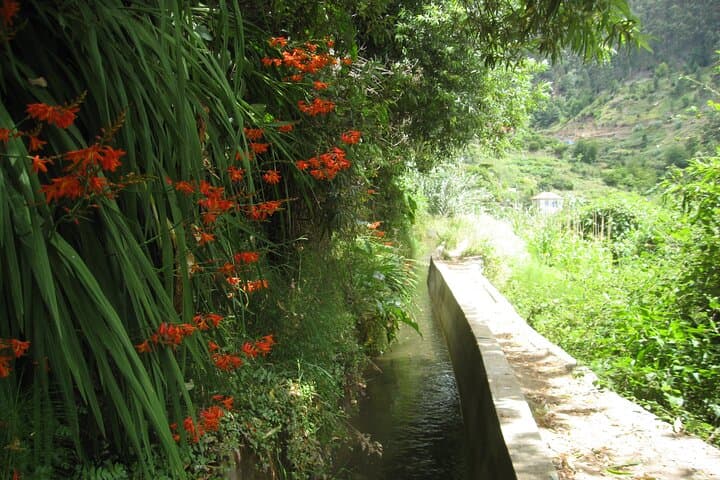
Mist hangs low in the valley when the group sets off along a narrow levada, the waterway whispering and daring you to keep pace. The path threads through laurisilva forest, past ferns and moss-slick stone, and opens onto sudden views of the south coast and the slate roofs of Ribeira Brava below.
Verified experiences and guided adventures in the surrounding area.
Operated by Madeira Explorers · Serra de Água, Madeira
Mist hangs low in the valley when the group sets off along a narrow levada, the waterway whispering and daring you to keep pace. The path threads through laurisilva forest, past ferns and moss-slick stone, and opens onto sudden views of the south coast and the slate roofs of Ribeira Brava below.
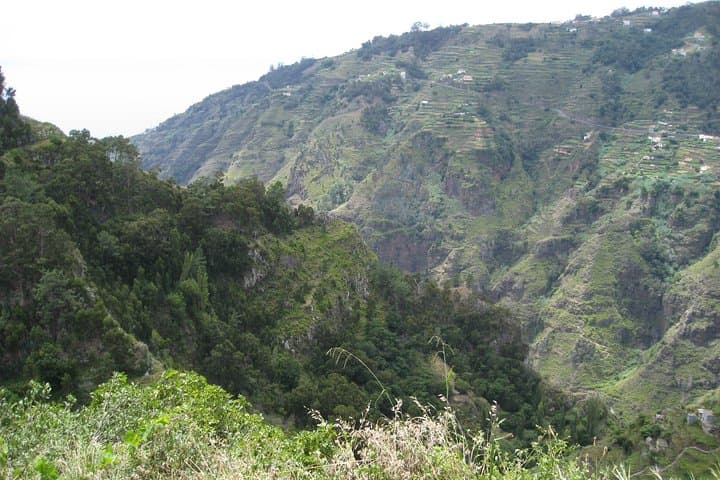
This corner of Madeira grew around the island’s vital levadas—engineered channels built from the 16th century onward to move mountain water to coastal farms. Geologically, the valley sits on ancient volcanic terraces cut by streams; the result is steep amphitheaters, rugged ridgelines, and fertile pockets where endemic plants hold court. Local culture here still reflects smallholding agriculture, and guides often point out traditional irrigation features and the old stone walls that mark family plots.
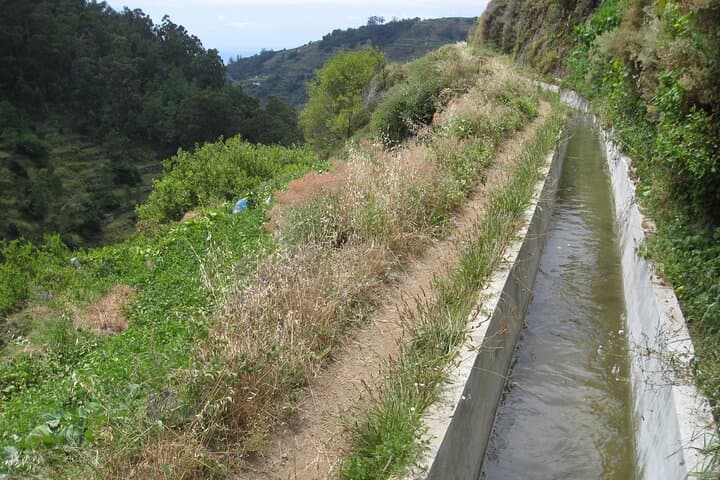
On the trail expect roughly 5 km of easy walking along well-maintained levada paths with limited elevation change; the surface varies from packed earth to stone slabs and occasional narrow ledges. Wildlife is subtle: a Madeiran firecrest flickers through the canopy, and small butterflies patrol the understory.
Practical guidance: start mid-morning to avoid low clouds, bring a light rain shell and sturdy shoes with good grip, and carry 1–1.5 liters of water. Respect the levada edges—many are bordered by narrow channels—and follow your guide’s instructions in tunnel sections.
This walk is brief but concentrated: a compact way to read Madeira’s geology, water history, and living forest without a full-day commitment.
easy.
2–3 hours.
Suitable for most fitness levels; you should be able to walk 5 km on uneven ground without difficulty.
The guide selects the most scenic 5 km of levada; it’s rated easy with minimal elevation change and suitable for most walkers.
Tours typically include pickup in an air-conditioned vehicle from nearby towns—confirm the exact meeting/pickup point when booking.
Children who can walk 5 km on varied terrain are fine; the route is not recommended for those with serious back or heart problems or vertigo.
The operator may cancel for poor weather; full refunds are available if canceled at least 24 hours in advance or if conditions are unsafe.
The levadas were built from the 16th century to move mountain water to coastal farms; Serra D'Água’s terraces reflect centuries of small-scale agriculture.
The laurisilva forest is part of Madeira's protected habitats—stay on paths, pack out waste, and avoid disturbing endemic plants and birds.
Madeira Explorers operates guided outdoor trips and adventures with an emphasis on safety, stewardship, and memorable experiences.
Mist hangs low in the valley when the group sets off along a narrow levada, the waterway whispering and daring you to keep pace. The path threads through laurisilva forest, past ferns and moss-slick stone, and opens onto sudden views of the south coast and the slate roofs of Ribeira Brava below.
Mist hangs low in the valley when the group sets off along a narrow levada, the waterway whispering and daring you to keep pace. The path threads through laurisilva forest, past ferns and moss-slick stone, and opens onto sudden views of the south coast and the slate roofs of Ribeira Brava below.
This corner of Madeira grew around the island’s vital levadas—engineered channels built from the 16th century onward to move mountain water to coastal farms. Geologically, the valley sits on ancient volcanic terraces cut by streams; the result is steep amphitheaters, rugged ridgelines, and fertile pockets where endemic plants hold court. Local culture here still reflects smallholding agriculture, and guides often point out traditional irrigation features and the old stone walls that mark family plots.
On the trail expect roughly 5 km of easy walking along well-maintained levada paths with limited elevation change; the surface varies from packed earth to stone slabs and occasional narrow ledges. Wildlife is subtle: a Madeiran firecrest flickers through the canopy, and small butterflies patrol the understory.
Practical guidance: start mid-morning to avoid low clouds, bring a light rain shell and sturdy shoes with good grip, and carry 1–1.5 liters of water. Respect the levada edges—many are bordered by narrow channels—and follow your guide’s instructions in tunnel sections.
This walk is brief but concentrated: a compact way to read Madeira’s geology, water history, and living forest without a full-day commitment.