THE ADVENTURE COLLECTIVE® · Independent discovery and booking for outdoor travel

Traverse 18 km and 900 m of ascent through oak forests, waterfalls and compact schist villages in Serra da Lousã. This full-day guided hike mixes geology, rural history and hands-on local flavors.
Traverse 18 km and 900 m of ascent through oak forests, waterfalls and compact schist villages in Serra da Lousã. This full-day guided hike mixes geology, rural history and hands-on local flavors.
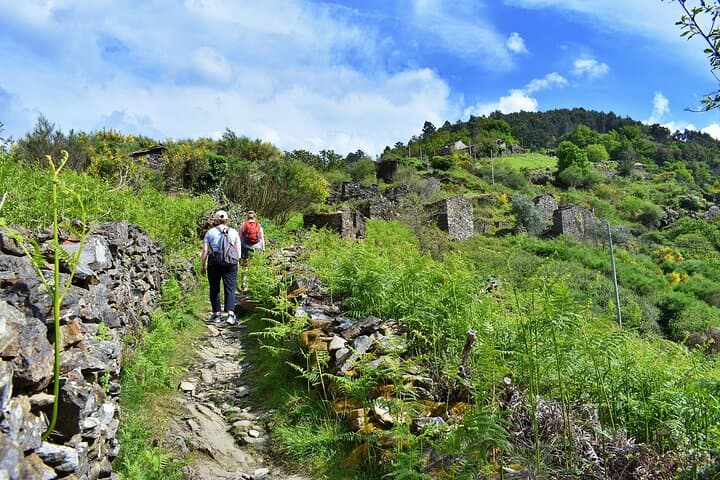
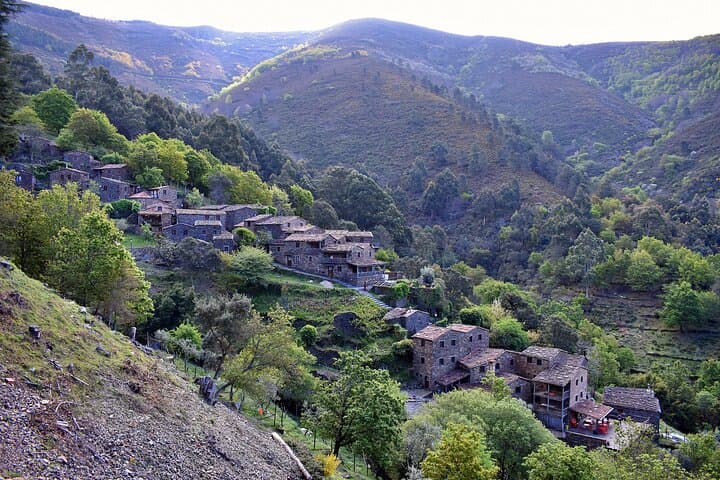
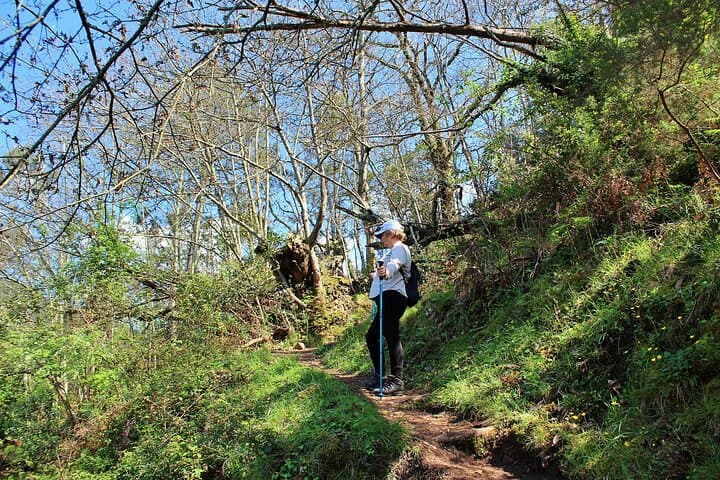
Morning light breaks through a canopy of oak and chestnut as the trail threads upward, water in the gullies daring you to look closer. This full-day hike across Serra da Lousã pushes through pine stands, mossy granite outcrops and narrow lanes that lead into centuries-old schist villages—compact clusters of stone houses once summer refuges for shepherds.
Verified experiences and guided adventures in the surrounding area.
Operated by Aventuras Forte(s) - Turismo de Natureza · Lousã, Coimbra District
Morning light breaks through a canopy of oak and chestnut as the trail threads upward, water in the gullies daring you to look closer. This full-day hike across Serra da Lousã pushes through pine stands, mossy granite outcrops and narrow lanes that lead into centuries-old schist villages—compact clusters of stone houses once summer refuges for shepherds.
Geology here is blunt and honest: schist slabs and granite ribs shaped by ancient tectonics, with streams cutting steep gullies and feeding clear pools. The network of villages preserves traditional rural architecture and an agricultural rhythm — terraces, stone mills and communal wash-houses — that tells the story of mountain life in central Portugal. Ruins like Castelo de Foz de Arouce perch above river beaches, reminders of medieval lines of defense and settlement.
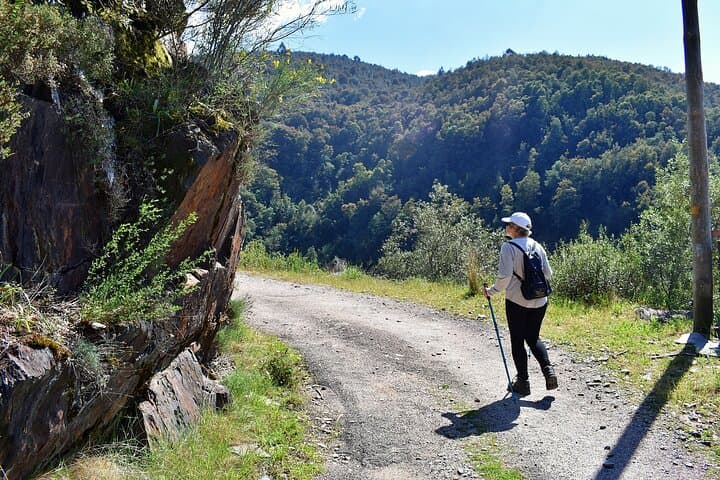
Expect roughly 18 km with about 900 m of positive elevation gain; terrain alternates compact dirt, rocky switchbacks and village cobbles. Guides typically include stops for regional product tastings and a sit-down lunch in a village where you can watch how rural life has shifted over generations.
Practical takeaways: start early to avoid the heat, carry 1.5–2 L of water, and use grippy boots for stream crossings and loose schist. The route requires sustained fitness rather than technical climbing skills; neutral footwear and trekking poles make steep descents easier. Mobile reception can be patchy — download maps and bring a printed route note if you prefer. Move deliberately, listen for waterfalls, and let the villages slow your pace.
challenging.
8–9 hours.
Requires strong aerobic fitness and endurance for sustained climbs and long distance over mixed terrain
The route is about 18 km with roughly 900 m of ascent; expect 8–9 hours and steady climbs—suitable for fit hikers.
Yes, qualified guides accompany the full route and transport with pickup from Lousã and Coimbra is typically included.
The itinerary includes a lunch stop in a village and tastings of regional products, but check specifics before booking for dietary needs.
Service animals are allowed, but the tour recommends high fitness levels and is not suitable for very young children or travelers with spinal, pregnancy or serious heart conditions.
The schist villages grew from seasonal shepherding and subsistence farming; many stone structures date to the 18th–19th centuries and reflect vernacular mountain architecture.
Trails pass sensitive riparian habitats—stick to paths, avoid disturbing stream banks and take all litter out; local guides promote low-impact visits and support village economies.
Aventuras Forte(s) - Turismo de Natureza operates guided outdoor trips and adventures with an emphasis on safety, stewardship, and memorable experiences.
Morning light breaks through a canopy of oak and chestnut as the trail threads upward, water in the gullies daring you to look closer. This full-day hike across Serra da Lousã pushes through pine stands, mossy granite outcrops and narrow lanes that lead into centuries-old schist villages—compact clusters of stone houses once summer refuges for shepherds.
Morning light breaks through a canopy of oak and chestnut as the trail threads upward, water in the gullies daring you to look closer. This full-day hike across Serra da Lousã pushes through pine stands, mossy granite outcrops and narrow lanes that lead into centuries-old schist villages—compact clusters of stone houses once summer refuges for shepherds.
Geology here is blunt and honest: schist slabs and granite ribs shaped by ancient tectonics, with streams cutting steep gullies and feeding clear pools. The network of villages preserves traditional rural architecture and an agricultural rhythm — terraces, stone mills and communal wash-houses — that tells the story of mountain life in central Portugal. Ruins like Castelo de Foz de Arouce perch above river beaches, reminders of medieval lines of defense and settlement.
Expect roughly 18 km with about 900 m of positive elevation gain; terrain alternates compact dirt, rocky switchbacks and village cobbles. Guides typically include stops for regional product tastings and a sit-down lunch in a village where you can watch how rural life has shifted over generations.
Practical takeaways: start early to avoid the heat, carry 1.5–2 L of water, and use grippy boots for stream crossings and loose schist. The route requires sustained fitness rather than technical climbing skills; neutral footwear and trekking poles make steep descents easier. Mobile reception can be patchy — download maps and bring a printed route note if you prefer. Move deliberately, listen for waterfalls, and let the villages slow your pace.