THE ADVENTURE COLLECTIVE® · Independent discovery and booking for outdoor travel

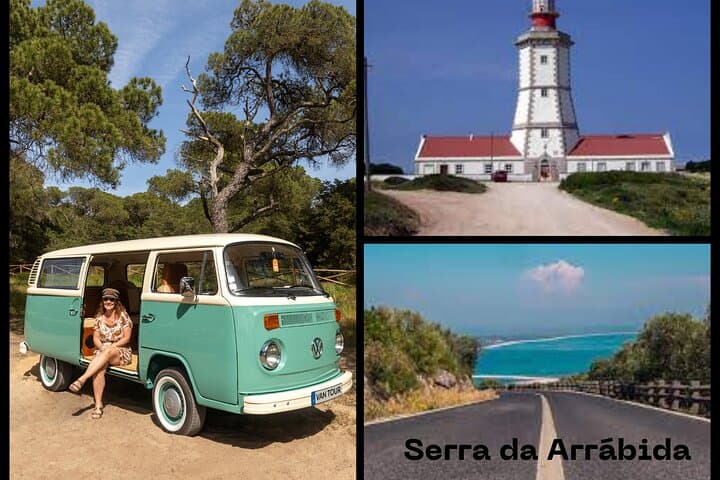
Climb into a refurbished 1970 VW T2 and follow the N379 along Serra da Arrábida’s cliffs to Sesimbra, Setúbal and Cabo Espichel. This private full-day tour mixes coastal geology, historic forts, seaside culture and easy viewpoint walks—perfect for travelers who want scenery and local flavor without a rigid itinerary.
Climb into a refurbished 1970 VW T2 and follow the N379 along Serra da Arrábida’s cliffs to Sesimbra, Setúbal and Cabo Espichel. This private full-day tour mixes coastal geology, historic forts, seaside culture and easy viewpoint walks—perfect for travelers who want scenery and local flavor without a rigid itinerary.
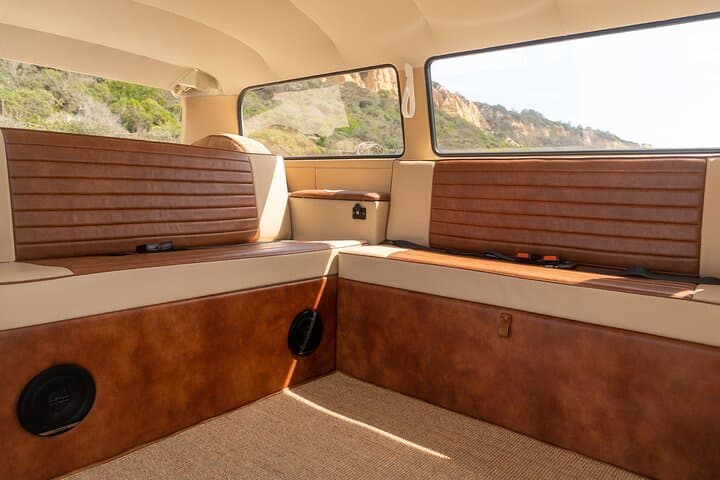
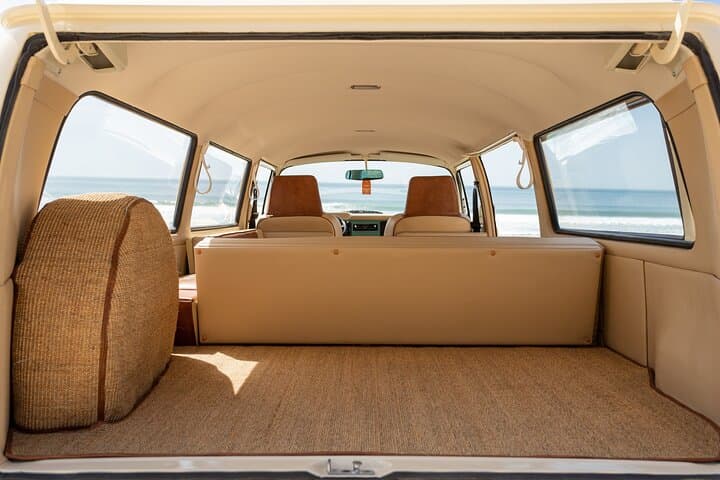
You slide into the low bench of a refurbished 1970 Volkswagen T2 and the van hums alive—wooden panels, sun through the windows, and the Atlantic wind already tugging at the coastline. The N379 unfurls like a ribbon along the Serra da Arrábida; cliffs rise to the right, the Sado estuary opens left, and the driver nudges you toward viewpoints that feel claimed by sea and stone.
Verified experiences and guided adventures in the surrounding area.
Operated by Van Tour way of life · Lisbon, Lisbon District
You slide into the low bench of a refurbished 1970 Volkswagen T2 and the van hums alive—wooden panels, sun through the windows, and the Atlantic wind already tugging at the coastline. The N379 unfurls like a ribbon along the Serra da Arrábida; cliffs rise to the right, the Sado estuary opens left, and the driver nudges you toward viewpoints that feel claimed by sea and stone.
Geology here is blunt and visible: Cretaceous limestone cliffs carved by waves, with karst terraces and scree slopes that channel the stormy Atlantic into sheltered coves. History presses at the edges—Cabo Espichel’s lighthouse and its 18th-century sanctuary, dinosaur footprints fossilized in coastal slabs, and Sesimbra’s medieval castle and the ramparts of Fort São Filipe that keep watch over the estuary.
Culture is seaside and salt-streaked: fishermen mending nets, cafés serving grilled sardines, and neighborhoods shaped by maritime trade with Setúbal’s fish markets still humming. The Serra’s slopes harbor cork oak and maritime pine; the park is quiet but watchful, often giving way to unexpected panoramic stillness.
Practically: this private tour runs about 7–8 hours, covers coastal driving with short, mostly easy walks to viewpoints and ramparts, and accommodates up to five guests in the combi. Bottled water and hotel pickup/drop-off are included. Wear sturdy shoes for uneven paths, bring sun protection and layers for coastal wind, and aim for morning light at Cabo Espichel or late afternoon for golden views over the Sado. The day is equal parts scenic drive, short explorations, and cultural stops—a relaxed, tactile way to read the coastline and its stories.
easy.
7–8 hours.
Suitable for most fitness levels; includes multiple short walks (stairs and uneven ground) and lengthy periods seated in the van.
The private tour lasts about 7–8 hours and includes hotel pickup/drop-off, private transportation in the VW combi, bottled water, and stops at Cabo Espichel, Sesimbra, Setúbal viewpoints and the Serra da Arrábida road.
Yes; the tour is rated easy and suitable for most fitness levels—walks are short but involve stairs and uneven ground so plan accordingly for children or mobility limitations.
Admission fees are not specified as included; the tour focuses on panoramic stops and exterior visits—confirm with the operator if you want entry to specific sites like Sesimbra Castle or Fort São Filipe.
The combi accommodates up to five people and the booking is for a private tour reserved to your group.
The Arrábida coastline has been a maritime frontier for centuries; Fort São Filipe (16th–17th century) and Sesimbra Castle reflect defensive priorities against piracy and naval threats.
Serra da Arrábida is a protected natural park—stay on marked roads and paths to protect fragile limestone habitats and coastal vegetation; local operators promote low-impact visits.
Van Tour way of life operates guided outdoor trips and adventures with an emphasis on safety, stewardship, and memorable experiences.

You slide into the low bench of a refurbished 1970 Volkswagen T2 and the van hums alive—wooden panels, sun through the windows, and the Atlantic wind already tugging at the coastline. The N379 unfurls like a ribbon along the Serra da Arrábida; cliffs rise to the right, the Sado estuary opens left, and the driver nudges you toward viewpoints that feel claimed by sea and stone.
You slide into the low bench of a refurbished 1970 Volkswagen T2 and the van hums alive—wooden panels, sun through the windows, and the Atlantic wind already tugging at the coastline. The N379 unfurls like a ribbon along the Serra da Arrábida; cliffs rise to the right, the Sado estuary opens left, and the driver nudges you toward viewpoints that feel claimed by sea and stone.
Geology here is blunt and visible: Cretaceous limestone cliffs carved by waves, with karst terraces and scree slopes that channel the stormy Atlantic into sheltered coves. History presses at the edges—Cabo Espichel’s lighthouse and its 18th-century sanctuary, dinosaur footprints fossilized in coastal slabs, and Sesimbra’s medieval castle and the ramparts of Fort São Filipe that keep watch over the estuary.
Culture is seaside and salt-streaked: fishermen mending nets, cafés serving grilled sardines, and neighborhoods shaped by maritime trade with Setúbal’s fish markets still humming. The Serra’s slopes harbor cork oak and maritime pine; the park is quiet but watchful, often giving way to unexpected panoramic stillness.
Practically: this private tour runs about 7–8 hours, covers coastal driving with short, mostly easy walks to viewpoints and ramparts, and accommodates up to five guests in the combi. Bottled water and hotel pickup/drop-off are included. Wear sturdy shoes for uneven paths, bring sun protection and layers for coastal wind, and aim for morning light at Cabo Espichel or late afternoon for golden views over the Sado. The day is equal parts scenic drive, short explorations, and cultural stops—a relaxed, tactile way to read the coastline and its stories.