THE ADVENTURE COLLECTIVE® · Independent discovery and booking for outdoor travel

A weekend ritual on Sarawak’s border meets karst caverns a short drive away. Explore Serikin’s bustling stalls for sarongs and forest crafts, then climb into Fairy and Wind Caves to see sunlit chambers, stalactites and swiftlet nests.
A weekend ritual on Sarawak’s border meets karst caverns a short drive away. Explore Serikin’s bustling stalls for sarongs and forest crafts, then climb into Fairy and Wind Caves to see sunlit chambers, stalactites and swiftlet nests.
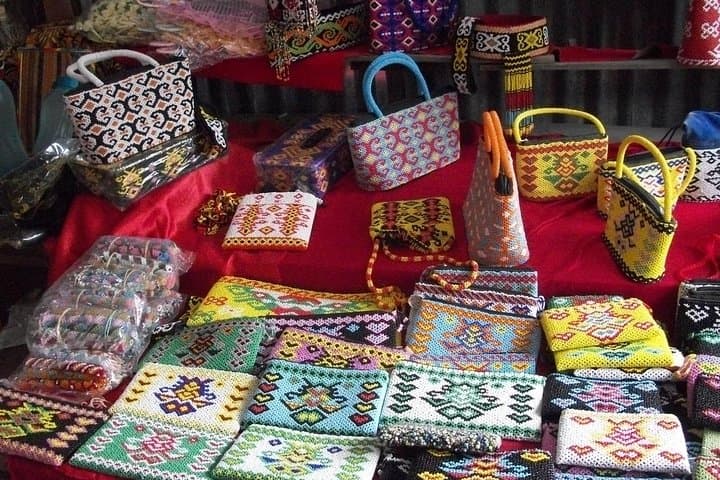
Dawn light strips across a low ridge as minibuses pull into Serikin’s open-air rows — stalls folding out tarps, traders from both sides of the Sarawak–West Kalimantan border arranging sarongs, bamboo crafts and trays of seafood. The market moves with language, barter and the smell of grilled fish, and it’s exactly the kind of hands-on place that pulls you into local life.
Verified experiences and guided adventures in the surrounding area.
Operated by Magunatip Holidays Sdn Bhd · Serikin (Bau), Sarawak
Dawn light strips across a low ridge as minibuses pull into Serikin’s open-air rows — stalls folding out tarps, traders from both sides of the Sarawak–West Kalimantan border arranging sarongs, bamboo crafts and trays of seafood. The market moves with language, barter and the smell of grilled fish, and it’s exactly the kind of hands-on place that pulls you into local life.
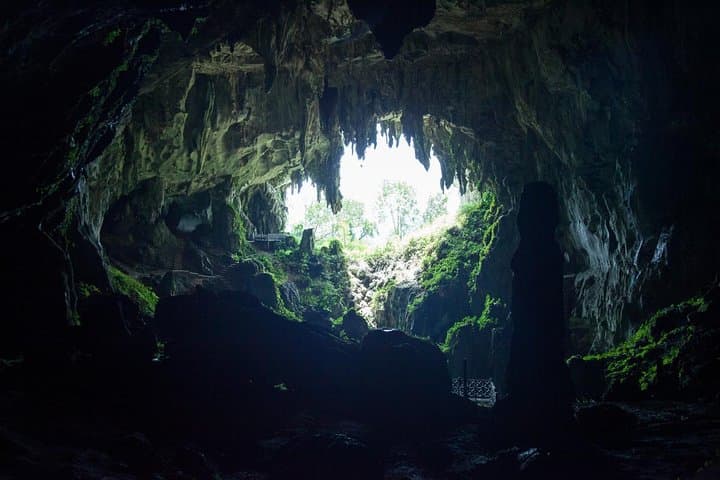
An hour or so inland of Kuching, the market grew where road and river traffic met; weekends still draw cross-border traders selling Indonesian textiles and forest-sourced goods. A short drive further into limestone country brings you to Fairy Cave, a multi-level cavern where a quick climb opens into a sunlit chamber of stalactites and stalagmites. Wind Cave is narrower and tunnel-like — bats and swiftlets wheel through its throat and cliff walls host nests once prized by regional cuisine.
Geology here is classic karst: jagged limestone cut into caverns and chimneys, shaped by millennia of acidic water. Culturally, Serikin remains a market of utility — household wares, fresh produce and artisans working bamboo — rather than a polished tourist mall.
Practicalities: plan an early start to avoid midday heat and crowds at the market; footwear should handle uneven cave steps and muddy approaches. Bring insect repellent and respect roosting wildlife — avoid torchlight directly at bats or nest walls. Expect an 8-hour day with periods of walking, short climbs and plenty of standing, plus return transfers by air-conditioned minivan included in most tours.
moderate.
8 hours.
Suitable for travelers with moderate fitness: some short climbs and up to 2 hours of standing and walking over uneven ground.
Most guided tours run about 8 hours including hotel transfer, market time and visits to Fairy and Wind Caves.
Serikin Market is busiest on weekends when cross-border traders arrive; weekdays have fewer stalls and offerings.
Older children who can manage short climbs and uneven footing are fine, but infants should be carried and close supervision is required near ledges and bat colonies.
Purchasing goods at the market doesn’t require a visa, but cross-border travel off the official road requires proper immigration processing; stay on the Malaysian side unless you have necessary travel documents.
Serikin grew as a cross-border trading point and Bau district has a history of 19th–20th century gold mining that shaped local settlement patterns.
Visitors should not take swiftlet nests or disturb roosting bats; pack out waste and avoid feeding wildlife to protect cave ecosystems.
Magunatip Holidays Sdn Bhd operates guided outdoor trips and adventures with an emphasis on safety, stewardship, and memorable experiences.
Dawn light strips across a low ridge as minibuses pull into Serikin’s open-air rows — stalls folding out tarps, traders from both sides of the Sarawak–West Kalimantan border arranging sarongs, bamboo crafts and trays of seafood. The market moves with language, barter and the smell of grilled fish, and it’s exactly the kind of hands-on place that pulls you into local life.
Dawn light strips across a low ridge as minibuses pull into Serikin’s open-air rows — stalls folding out tarps, traders from both sides of the Sarawak–West Kalimantan border arranging sarongs, bamboo crafts and trays of seafood. The market moves with language, barter and the smell of grilled fish, and it’s exactly the kind of hands-on place that pulls you into local life.
An hour or so inland of Kuching, the market grew where road and river traffic met; weekends still draw cross-border traders selling Indonesian textiles and forest-sourced goods. A short drive further into limestone country brings you to Fairy Cave, a multi-level cavern where a quick climb opens into a sunlit chamber of stalactites and stalagmites. Wind Cave is narrower and tunnel-like — bats and swiftlets wheel through its throat and cliff walls host nests once prized by regional cuisine.
Geology here is classic karst: jagged limestone cut into caverns and chimneys, shaped by millennia of acidic water. Culturally, Serikin remains a market of utility — household wares, fresh produce and artisans working bamboo — rather than a polished tourist mall.
Practicalities: plan an early start to avoid midday heat and crowds at the market; footwear should handle uneven cave steps and muddy approaches. Bring insect repellent and respect roosting wildlife — avoid torchlight directly at bats or nest walls. Expect an 8-hour day with periods of walking, short climbs and plenty of standing, plus return transfers by air-conditioned minivan included in most tours.