THE ADVENTURE COLLECTIVE® · Independent discovery and booking for outdoor travel

Float above the Maasai Kopjes at first light and watch wildebeest, zebra and lions pattern the plains beneath you. This hot-air balloon safari combines quiet aerial game viewing with a bush breakfast and close-up views of the Serengeti’s seasonal rhythms.
Float above the Maasai Kopjes at first light and watch wildebeest, zebra and lions pattern the plains beneath you. This hot-air balloon safari combines quiet aerial game viewing with a bush breakfast and close-up views of the Serengeti’s seasonal rhythms.
At dawn the Serengeti loosens its night skin: acacia silhouettes sharpen, the first wind pulls dust into ribbons, and a pale balloon lifts slowly above the Maasai Kopjes. From the wicker basket you watch the plains open—herds stitch the grassland into moving bands and a lone lion becomes a small, deliberate mark on the earth below. The pilot adjusts altitude with practiced calm; sometimes you skim treetops, sometimes you climb for a wide, cinematic sweep.
Verified experiences and guided adventures in the surrounding area.
Operated by Tanzania Serengeti Safaris · Seronera, Mara Region
At dawn the Serengeti loosens its night skin: acacia silhouettes sharpen, the first wind pulls dust into ribbons, and a pale balloon lifts slowly above the Maasai Kopjes. From the wicker basket you watch the plains open—herds stitch the grassland into moving bands and a lone lion becomes a small, deliberate mark on the earth below. The pilot adjusts altitude with practiced calm; sometimes you skim treetops, sometimes you climb for a wide, cinematic sweep.
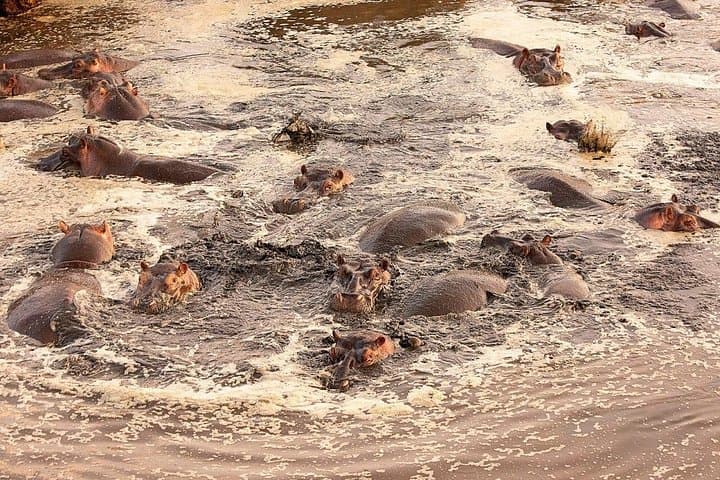
This experience sits at the intersection of geology, ecology and Maasai culture. The Kopjes are granite outcrops worn by millennia of erosion, offering vantage points that early explorers and local people have used for generations. The Serengeti’s rhythms—seasonal rains, the great migration, calving cycles—dictate what you’ll see. Balloon flights focus on minimal disturbance: pilots and crews coordinate with rangers to respect wildlife and private conservancies.
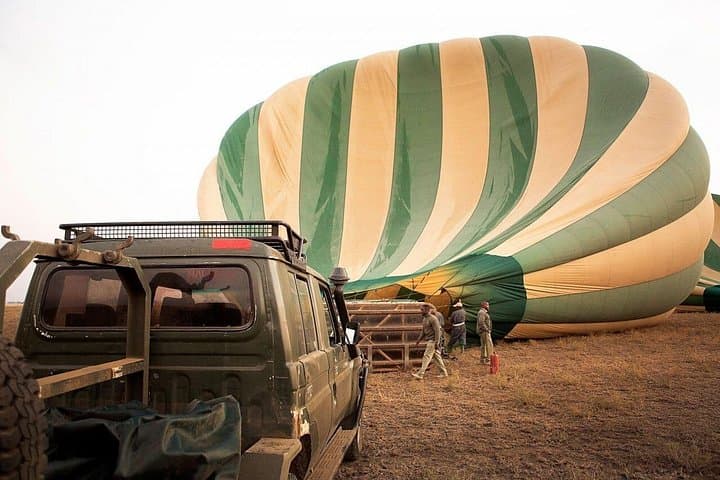
Practically, expect an early pick-up (around 0500), a 45–60 minute flight depending on conditions, and a traditional champagne toast followed by a bush breakfast. Operations favor the dry season (June–October); flights can be canceled for heavy winds or rain. Wear layers for pre-dawn chill and sturdy shoes for uneven ground at launch and landing. Bring a telephoto lens or binoculars and keep cameras ready—light changes fast and animals move faster.
This is a low-impact way to expand a classic game drive: panoramic perspective, exceptional photo opportunities, and the rare calm of floating over one of Africa’s most active ecosystems.
easy.
3–4 hours (including transfers; ~90-minute flight).
Minimal fitness required—ability to stand for the flight and step in/out of a low basket; brief uneven footing at landing.
The aerial portion is typically about 45–60 minutes; the full experience including transfers, briefing and breakfast generally takes 3–4 hours.
Yes—pilots are licensed and safety briefings are standard; flights are canceled in high winds or heavy rain and operators will reschedule or refund per their policy.
Bring layered clothing, sun protection, binoculars or a telephoto lens, and any necessary travel documents; avoid large backpacks in the basket.
Possibly—June to October is best for large herd concentrations, but sightings depend on timing and the animals’ movements in any given year.
Maasai Kopjes have long served as lookout points for local communities; the Serengeti’s name derives from a Maasai phrase for endless plains and has supported pastoral cultures and wildlife cycles for centuries.
Operators work with park authorities to minimize disturbance—stay on designated tracks when on the ground, avoid litter, and choose providers who support local conservation and community programs.
Tanzania Serengeti Safaris operates guided outdoor trips and adventures with an emphasis on safety, stewardship, and memorable experiences.
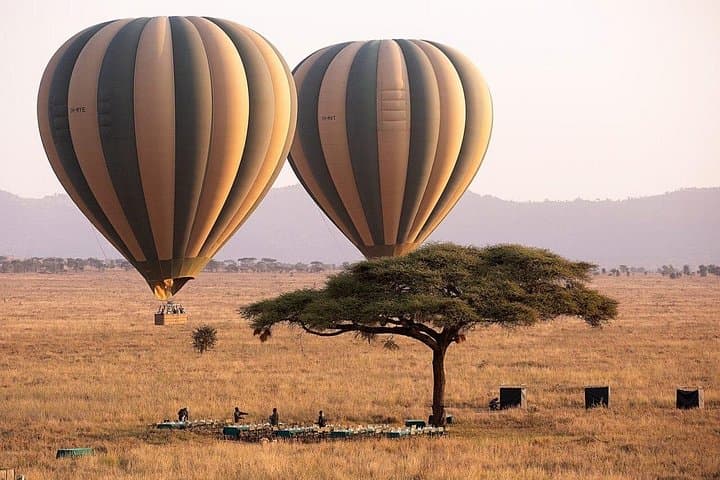
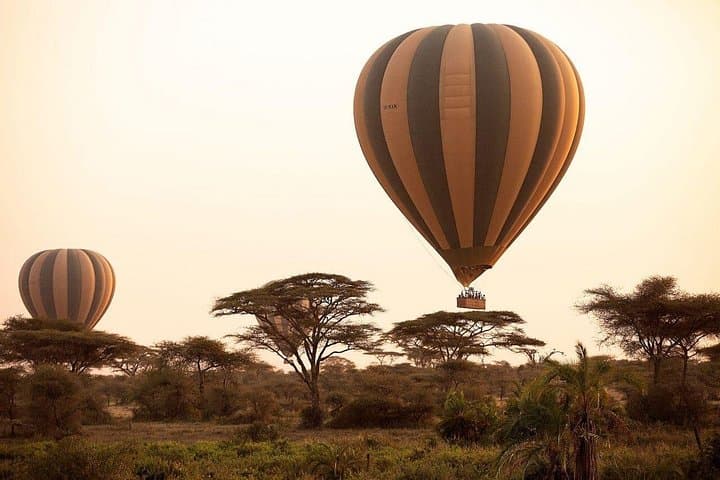
At dawn the Serengeti loosens its night skin: acacia silhouettes sharpen, the first wind pulls dust into ribbons, and a pale balloon lifts slowly above the Maasai Kopjes. From the wicker basket you watch the plains open—herds stitch the grassland into moving bands and a lone lion becomes a small, deliberate mark on the earth below. The pilot adjusts altitude with practiced calm; sometimes you skim treetops, sometimes you climb for a wide, cinematic sweep.
At dawn the Serengeti loosens its night skin: acacia silhouettes sharpen, the first wind pulls dust into ribbons, and a pale balloon lifts slowly above the Maasai Kopjes. From the wicker basket you watch the plains open—herds stitch the grassland into moving bands and a lone lion becomes a small, deliberate mark on the earth below. The pilot adjusts altitude with practiced calm; sometimes you skim treetops, sometimes you climb for a wide, cinematic sweep.
This experience sits at the intersection of geology, ecology and Maasai culture. The Kopjes are granite outcrops worn by millennia of erosion, offering vantage points that early explorers and local people have used for generations. The Serengeti’s rhythms—seasonal rains, the great migration, calving cycles—dictate what you’ll see. Balloon flights focus on minimal disturbance: pilots and crews coordinate with rangers to respect wildlife and private conservancies.
Practically, expect an early pick-up (around 0500), a 45–60 minute flight depending on conditions, and a traditional champagne toast followed by a bush breakfast. Operations favor the dry season (June–October); flights can be canceled for heavy winds or rain. Wear layers for pre-dawn chill and sturdy shoes for uneven ground at launch and landing. Bring a telephoto lens or binoculars and keep cameras ready—light changes fast and animals move faster.
This is a low-impact way to expand a classic game drive: panoramic perspective, exceptional photo opportunities, and the rare calm of floating over one of Africa’s most active ecosystems.