THE ADVENTURE COLLECTIVE® · Independent discovery and booking for outdoor travel

Witness the Serengeti at its most dramatic: December–April brings the calving pulse of the Great Migration to the southern plains. This six-day safari routes through Lake Manyara, Ngorongoro and the Seronera–Ndutu corridor for sustained predator-prey drama and close-up wildlife viewing.
Witness the Serengeti at its most dramatic: December–April brings the calving pulse of the Great Migration to the southern plains. This six-day safari routes through Lake Manyara, Ngorongoro and the Seronera–Ndutu corridor for sustained predator-prey drama and close-up wildlife viewing.
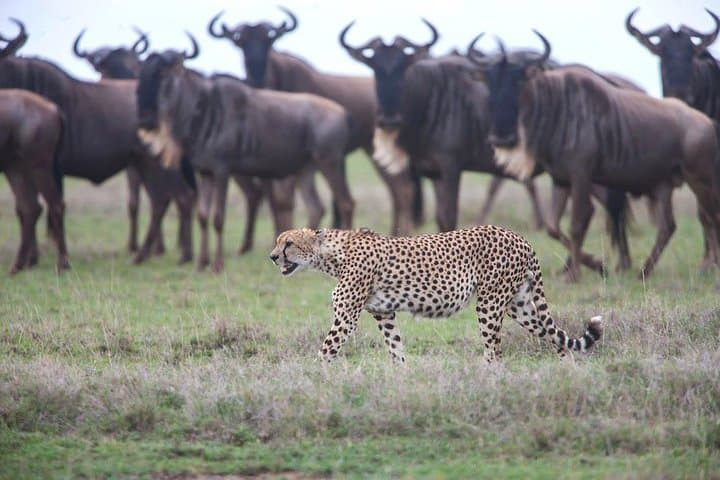
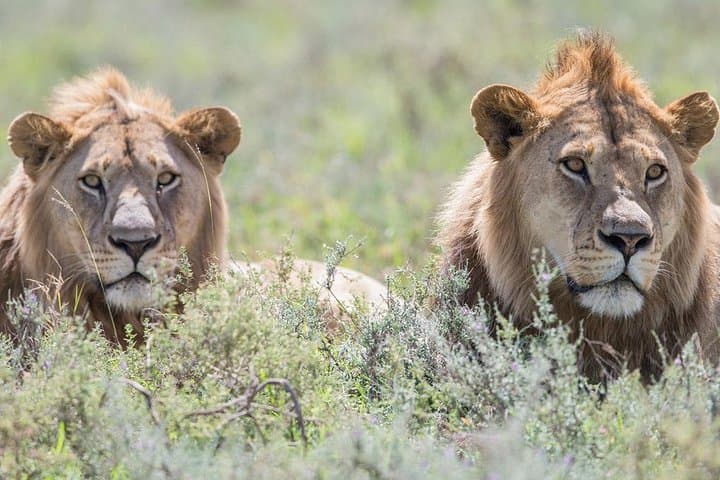
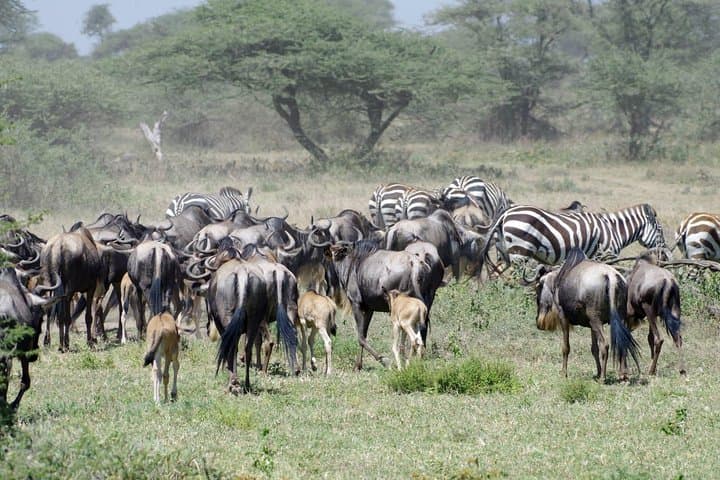
Dust lifts like a curtain as the Land Cruiser eases onto the open plain. For miles the horizon is a moving dark line: wildebeest packed shoulder to shoulder, zebras striping their edges, and the low hum of hooves that seems to come from the earth itself. Between December and early April the southern Serengeti and Ndutu become a living nursery — roughly 80 percent of the migration's calves are born here — and every thud of young legs invites lions, hyenas and vultures to read the day's opportunities.
Verified experiences and guided adventures in the surrounding area.
Operated by Safari Crew Tanzania · Seronera (Serengeti), Mara Region
Dust lifts like a curtain as the Land Cruiser eases onto the open plain. For miles the horizon is a moving dark line: wildebeest packed shoulder to shoulder, zebras striping their edges, and the low hum of hooves that seems to come from the earth itself. Between December and early April the southern Serengeti and Ndutu become a living nursery — roughly 80 percent of the migration's calves are born here — and every thud of young legs invites lions, hyenas and vultures to read the day's opportunities.
The park is a product of deep time. The Serengeti sits on ancient volcanic soils and lies west of the Rift Valley escarpment; its flatness and well-drained black cotton soils favor grasslands over tall trees, which in turn shapes how predators and prey move and meet. Nearby Ngorongoro is a collapsed volcanic cone — a caldera dropped by millennia of geological upheaval — that funnels wildlife across seasonal routes and produces one of Africa's highest-density wildlife refuges.
Human history threads the landscape too. Maasai families still move cattle along traditional corridors and many camps and lodges work with local communities to manage grazing and tourism revenue. Guides will point out old bomas and tell stories about past migration years; listening to them adds cultural context to every sighting.
What the trip delivers is immediate and practical: long game drives across terrain that ranges from marshy floodplains near Lakes Ndutu and Masek to drier southern plains around Seronera. Expect elevations roughly between 1,100 and 1,800 meters, travel distances of 300–350 km from Arusha to central Serengeti depending on route, and dusty but well-maintained tracks inside the park. Vehicles are 4x4 safari cruisers with roof hatches for photography and shade.
Plan for early starts and late returns — wildlife is most active at dawn and dusk. Wear layers for chilly mornings that warm quickly into hot afternoons; sun and dust are constant companions. Bring binoculars, a long lens if you photograph predators, and a small daypack for water and snacks. Vaccinations, malaria prophylaxis, passport copies and travel insurance are non-negotiable. Tipping guides and camp staff is customary and supports conservation-minded livelihoods.
Because you are traveling in the calving window, sightings are intense but unpredictable: storms, river levels and the rhythms of grass growth all nudge the herds. Book a multi-day circuit that includes Lake Manyara, Ngorongoro and the Seronera–Ndutu axis to maximize opportunities. In exchange — and with basic preparation — the Serengeti in these months gives one of the clearest, rawest encounters with migration dynamics that Africa offers.
easy.
Approximately 6 days.
Suitable for travelers of average fitness; you sit in a vehicle for long stretches but should be able to climb in/out of a 4x4 and manage short walks.
December through early April is peak calving in the southern Serengeti and Ndutu; this is when large herds concentrate and predator activity increases.
Most itineraries include a road transfer of roughly 6–8 hours (300–350 km) to central Serengeti, or a short regional flight to Seronera followed by game transfer; road time varies by gate and conditions.
This itinerary includes park fees, full board, transfers and safari circuit in 4x4 according to the trip inclusions; confirm specifics with the operator at booking.
Yellow fever vaccination may be required depending on origin; malaria prophylaxis is recommended—consult your travel clinic at least 6–8 weeks before travel.
Infants and small children may travel, but the operator notes the trip is not recommended for pregnant travelers due to limited medical facilities in remote areas.
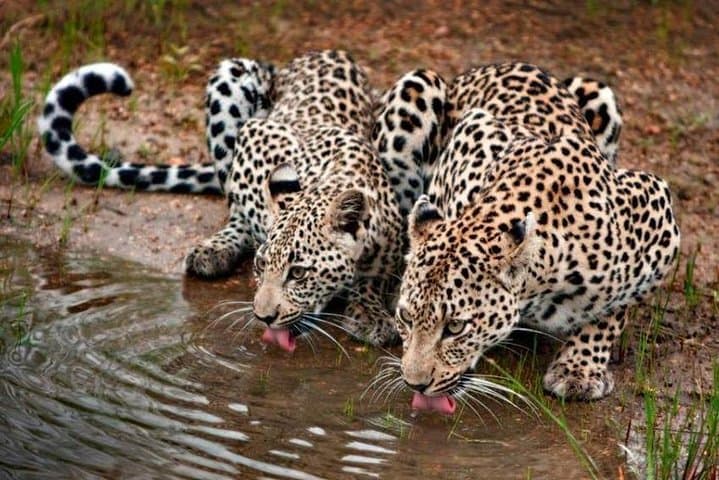
Expect consistent sightings of large herbivore herds, frequent predator encounters during the calving season, and diverse birdlife; sightings depend on weather and herd movement.
The Serengeti ecosystem was shaped by volcanic activity and long-term pastoral routes; colonial and post-colonial conservation policies established park boundaries that now direct seasonal migration patterns.
Conservation here balances tourism revenue with Maasai grazing rights and anti-poaching patrols; choose operators who support local communities and park fees that fund rangers.
Safari Crew Tanzania operates guided outdoor trips and adventures with an emphasis on safety, stewardship, and memorable experiences.
Dust lifts like a curtain as the Land Cruiser eases onto the open plain. For miles the horizon is a moving dark line: wildebeest packed shoulder to shoulder, zebras striping their edges, and the low hum of hooves that seems to come from the earth itself. Between December and early April the southern Serengeti and Ndutu become a living nursery — roughly 80 percent of the migration's calves are born here — and every thud of young legs invites lions, hyenas and vultures to read the day's opportunities.
Dust lifts like a curtain as the Land Cruiser eases onto the open plain. For miles the horizon is a moving dark line: wildebeest packed shoulder to shoulder, zebras striping their edges, and the low hum of hooves that seems to come from the earth itself. Between December and early April the southern Serengeti and Ndutu become a living nursery — roughly 80 percent of the migration's calves are born here — and every thud of young legs invites lions, hyenas and vultures to read the day's opportunities.
The park is a product of deep time. The Serengeti sits on ancient volcanic soils and lies west of the Rift Valley escarpment; its flatness and well-drained black cotton soils favor grasslands over tall trees, which in turn shapes how predators and prey move and meet. Nearby Ngorongoro is a collapsed volcanic cone — a caldera dropped by millennia of geological upheaval — that funnels wildlife across seasonal routes and produces one of Africa's highest-density wildlife refuges.
Human history threads the landscape too. Maasai families still move cattle along traditional corridors and many camps and lodges work with local communities to manage grazing and tourism revenue. Guides will point out old bomas and tell stories about past migration years; listening to them adds cultural context to every sighting.
What the trip delivers is immediate and practical: long game drives across terrain that ranges from marshy floodplains near Lakes Ndutu and Masek to drier southern plains around Seronera. Expect elevations roughly between 1,100 and 1,800 meters, travel distances of 300–350 km from Arusha to central Serengeti depending on route, and dusty but well-maintained tracks inside the park. Vehicles are 4x4 safari cruisers with roof hatches for photography and shade.
Plan for early starts and late returns — wildlife is most active at dawn and dusk. Wear layers for chilly mornings that warm quickly into hot afternoons; sun and dust are constant companions. Bring binoculars, a long lens if you photograph predators, and a small daypack for water and snacks. Vaccinations, malaria prophylaxis, passport copies and travel insurance are non-negotiable. Tipping guides and camp staff is customary and supports conservation-minded livelihoods.
Because you are traveling in the calving window, sightings are intense but unpredictable: storms, river levels and the rhythms of grass growth all nudge the herds. Book a multi-day circuit that includes Lake Manyara, Ngorongoro and the Seronera–Ndutu axis to maximize opportunities. In exchange — and with basic preparation — the Serengeti in these months gives one of the clearest, rawest encounters with migration dynamics that Africa offers.