THE ADVENTURE COLLECTIVE® · Independent discovery and booking for outdoor travel

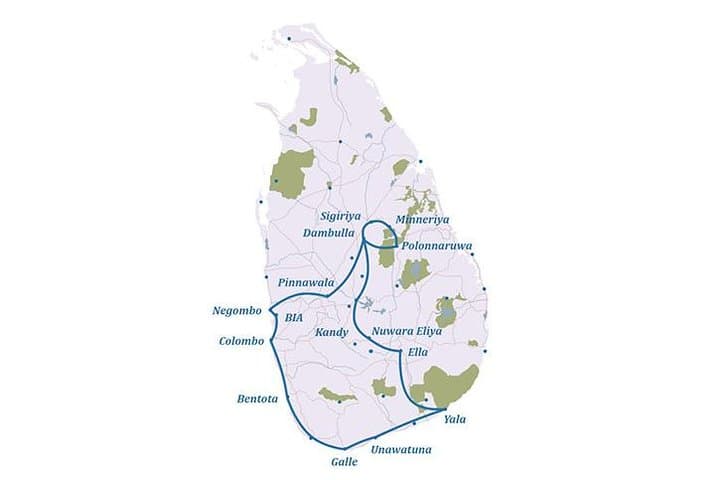
Across tea hills, ancient stone, and coastal reefs, this 15-day Serendipity Trail threads Sri Lanka’s history and wild places into a single journey. Expect train rides, temple climbs, safari mornings and coastal calm—with practical advice to plan each leg.
Across tea hills, ancient stone, and coastal reefs, this 15-day Serendipity Trail threads Sri Lanka’s history and wild places into a single journey. Expect train rides, temple climbs, safari mornings and coastal calm—with practical advice to plan each leg.
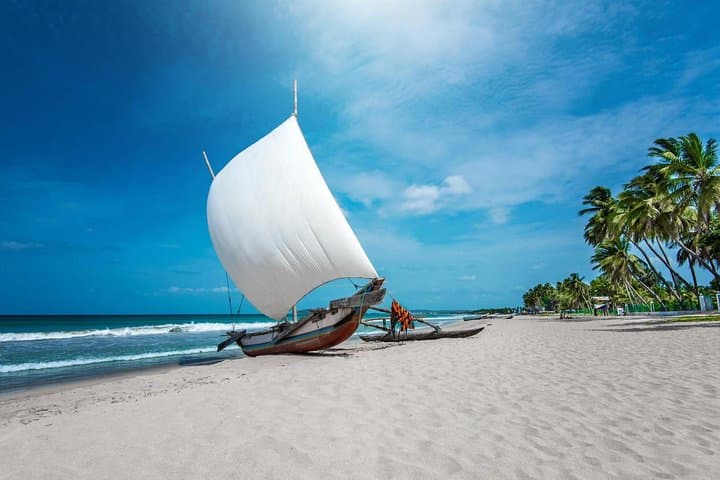
The first light on Day One hits the Indian Ocean like a blade of warm glass as you step off the airport transfer into the fishing town of Negombo. Salt air tugs at your shirt; wooden catamarans bob and creak while vendors arrange bright king coconuts along the shore. Over the next two weeks this route will switch cadence—train whistles in the highlands, the thunder of elephants in a dry plain, the soft thud of waves on a southern bay—so the first morning feels like an invitation.
Verified experiences and guided adventures in the surrounding area.
Operated by Lakpura LLC · Colombo, Western Province
The first light on Day One hits the Indian Ocean like a blade of warm glass as you step off the airport transfer into the fishing town of Negombo. Salt air tugs at your shirt; wooden catamarans bob and creak while vendors arrange bright king coconuts along the shore. Over the next two weeks this route will switch cadence—train whistles in the highlands, the thunder of elephants in a dry plain, the soft thud of waves on a southern bay—so the first morning feels like an invitation.
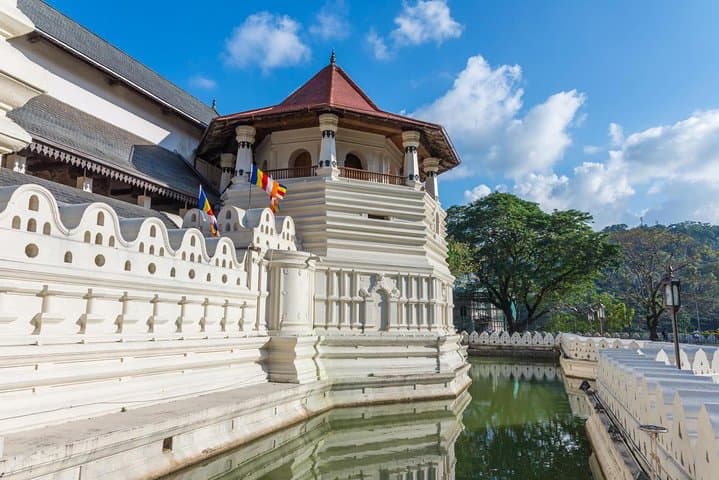
Sri Lanka wears its history openly: Sigiriya’s lion-pawed entrance still points to the ambitions of a fifth-century king, while Polonnaruwa’s stone Buddhas sit quiet and eroded after centuries of monsoon and empire. The highlands around Nuwara Eliya carry the imprint of British planters—red-brick post offices and tea gardens carved into steep ridges—while Horton Plains offers a different geology, a scab of exposed plateau where cloud forest yields to sweeping grassland and a cliff, World’s End, that drops into mist.
The itinerary balances cultural archaeology with nature on a practical schedule. Expect short urban strolls and longer park walks: the Sigiriya climb gains about 200 meters on metal staircases and terraces; the Horton Plains loop is roughly 8–10 km across undulating terrain with cool, wind-driven weather; Little Adam’s Peak in Ella is a moderate 2–3 km roundtrip across tea fields. Yala National Park safaris run 3–4 hours and concentrate on early mornings or late afternoons when leopards and elephants move.
Local life punctuates the route: cinnamon harvesting on Madu River islands, a cooking demo where curry leaves and roasted spices perfume the air, Kandyan drummers whose rhythms punctuate temple evenings. Conservation is woven into the experience—park rules limit safari numbers, and turtle hatchling patrols on southern beaches protect nesting sites—so your choices matter: keep to paths, accept local guides, and carry out waste.
Practical side: admission fees to major sites are typically extra, and many temples require covered shoulders and knees. Weather shifts quickly in the hills—layers and a lightweight rain jacket are essential—and sun, hydration, and insect repellent are non-negotiable on safari and coastal stretches. Travel times between sights can be long; private transport included in this tour covers fuel and tolls, but plan for staggered mornings to avoid midday heat.
By the end of two weeks you’ll have traded the steady rhythm of trains for the silence of a teak forest, felt a leopard’s ghostly presence across a scrub plain, and learned the cadence of Sri Lankan meals—rice, sambol, and spice—and how travel here is both an education and a series of small surprises.
moderate.
15 days.
Moderate fitness: able to walk 2–6 hours on selected days, manage stairs and uneven trails, and cope with multihour drives.
No—entrance tickets to sites like Sigiriya, Horton Plains and Yala are typically not included and should be budgeted separately.
Most visitors must obtain an Electronic Travel Authorization (ETA) before arrival—check your government’s travel site for current requirements.
Yes—this private tour accommodates families, but some long drives and the Sigiriya climb may be tiring for very young children; infant seats are available.
Routine vaccines are advised; carry antimalarial advice only if visiting certain lowland areas and always use mosquito protection and bottled water if unsure.
Daily activity varies from short 30–60 minute walks in towns to longer hikes (2–4 hours) at Horton Plains and Ella; the itinerary is paced for moderate fitness.
For south and west coast plus hill country, December–April offers the driest conditions; monsoon patterns make May–September wetter in the southwest but drier on the east coast.
Sigiriya is a 5th-century rock fortress built by King Kasyapa; Polonnaruwa later became a medieval capital where stone-carved Buddhas and royal baths remain.
Yala and Horton Plains operate visitor limits to reduce disturbance; on beaches local groups monitor turtle nests—respect closures and avoid flash photography with hatchlings.
Lakpura LLC operates guided outdoor trips and adventures with an emphasis on safety, stewardship, and memorable experiences.
The first light on Day One hits the Indian Ocean like a blade of warm glass as you step off the airport transfer into the fishing town of Negombo. Salt air tugs at your shirt; wooden catamarans bob and creak while vendors arrange bright king coconuts along the shore. Over the next two weeks this route will switch cadence—train whistles in the highlands, the thunder of elephants in a dry plain, the soft thud of waves on a southern bay—so the first morning feels like an invitation.
The first light on Day One hits the Indian Ocean like a blade of warm glass as you step off the airport transfer into the fishing town of Negombo. Salt air tugs at your shirt; wooden catamarans bob and creak while vendors arrange bright king coconuts along the shore. Over the next two weeks this route will switch cadence—train whistles in the highlands, the thunder of elephants in a dry plain, the soft thud of waves on a southern bay—so the first morning feels like an invitation.
Sri Lanka wears its history openly: Sigiriya’s lion-pawed entrance still points to the ambitions of a fifth-century king, while Polonnaruwa’s stone Buddhas sit quiet and eroded after centuries of monsoon and empire. The highlands around Nuwara Eliya carry the imprint of British planters—red-brick post offices and tea gardens carved into steep ridges—while Horton Plains offers a different geology, a scab of exposed plateau where cloud forest yields to sweeping grassland and a cliff, World’s End, that drops into mist.
The itinerary balances cultural archaeology with nature on a practical schedule. Expect short urban strolls and longer park walks: the Sigiriya climb gains about 200 meters on metal staircases and terraces; the Horton Plains loop is roughly 8–10 km across undulating terrain with cool, wind-driven weather; Little Adam’s Peak in Ella is a moderate 2–3 km roundtrip across tea fields. Yala National Park safaris run 3–4 hours and concentrate on early mornings or late afternoons when leopards and elephants move.
Local life punctuates the route: cinnamon harvesting on Madu River islands, a cooking demo where curry leaves and roasted spices perfume the air, Kandyan drummers whose rhythms punctuate temple evenings. Conservation is woven into the experience—park rules limit safari numbers, and turtle hatchling patrols on southern beaches protect nesting sites—so your choices matter: keep to paths, accept local guides, and carry out waste.
Practical side: admission fees to major sites are typically extra, and many temples require covered shoulders and knees. Weather shifts quickly in the hills—layers and a lightweight rain jacket are essential—and sun, hydration, and insect repellent are non-negotiable on safari and coastal stretches. Travel times between sights can be long; private transport included in this tour covers fuel and tolls, but plan for staggered mornings to avoid midday heat.
By the end of two weeks you’ll have traded the steady rhythm of trains for the silence of a teak forest, felt a leopard’s ghostly presence across a scrub plain, and learned the cadence of Sri Lankan meals—rice, sambol, and spice—and how travel here is both an education and a series of small surprises.