THE ADVENTURE COLLECTIVE® · Independent discovery and booking for outdoor travel

Spend a day in Kabili‑Sepilok Forest Reserve watching rehabilitated orangutans at feeding platforms and observing rescued sun bears on raised walkways. This practical guide explains what to expect, how to prepare, and local rules to protect these vulnerable species.
Spend a day in Kabili‑Sepilok Forest Reserve watching rehabilitated orangutans at feeding platforms and observing rescued sun bears on raised walkways. This practical guide explains what to expect, how to prepare, and local rules to protect these vulnerable species.
You step off the transfer van into humid lowland rainforest air, the canopy pressing close and birdsong punctuating the quiet. A boardwalk leads you into green corridors where orangutans move like cautious residents of a wild apartment — deliberate, curious, occasionally bold enough to cross the feeding platform. Nearby the Sun Bear Centre offers a different tempo: small bears skitter through fallen logs and climb vine-slung platforms, sniffing for honey and insects.
Verified experiences and guided adventures in the surrounding area.
Operated by TOUR EAST MALAYSIA · Sandakan, Sabah
You step off the transfer van into humid lowland rainforest air, the canopy pressing close and birdsong punctuating the quiet. A boardwalk leads you into green corridors where orangutans move like cautious residents of a wild apartment — deliberate, curious, occasionally bold enough to cross the feeding platform. Nearby the Sun Bear Centre offers a different tempo: small bears skitter through fallen logs and climb vine-slung platforms, sniffing for honey and insects.
The Sepilok Orang Utan Rehabilitation Centre dates to 1964, founded to rehabilitate orphaned and rescued primates back into the Kabili‑Sepilok Forest Reserve. The geology here is lowland sedimentary terrain—flat, porous soil that supports dipterocarp trees and a dense understory where wildlife finds cover. Indigenous culture in Sabah values cautious coexistence with forest species; local guides combine conservation practice with community knowledge about crop seasons and forest resources.
Expect short interpretive talks, a documentary screening, and two scheduled feedings (typically 10:00 and 15:00) though sightings are never guaranteed. Practicalities matter: the boardwalks are well maintained but can be slippery; insect activity is high year-round; large bags and food are restricted at Sepilok. Dress in muted colors, bring a rain layer and a pair of binoculars, and plan for a half‑day to full‑day outing with transfers to/from Sandakan.
Respect distances, follow guide instructions, and keep noise low—both centres operate with rehabilitation and potential release in mind, so your smallest choices affect these animals' futures.
easy.
6–8 hours.
Suitable for most fitness levels; involves short, flat boardwalk walks and brief standing periods at viewing platforms.
No—orangutans roam freely in the reserve; feedings increase chances of sightings but are not a guarantee.
Yes—the visitor areas and boardwalks at both centres have accessible sections and transport options note wheelchair accessibility.
Children are welcome; facilities are family-friendly though infants should remain on laps and supervision is required at viewing areas.
Sepilok opened in 1964 to rehabilitate orphaned orangutans and train them for release; the Sun Bear Centre started operations in 2014 to rescue and rehabilitate small bears in Borneo.
Both centres emphasize rehabilitation and release when possible and rely on visitor rules (no feeding, no large bags, muted clothing) to minimize stress and disease transmission.
TOUR EAST MALAYSIA operates guided outdoor trips and adventures with an emphasis on safety, stewardship, and memorable experiences.
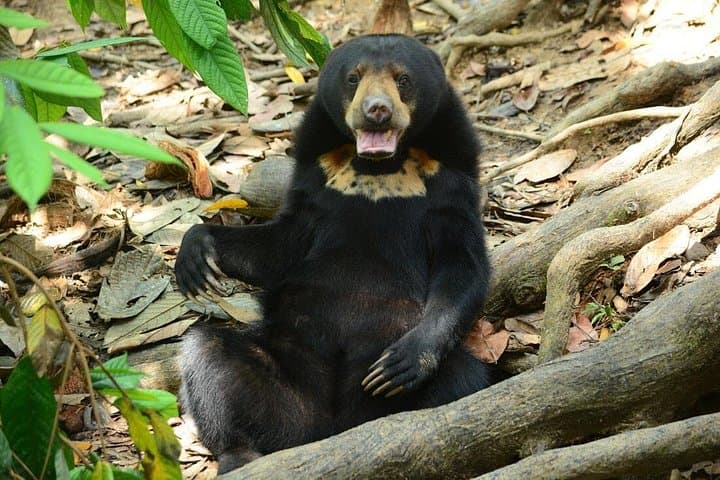
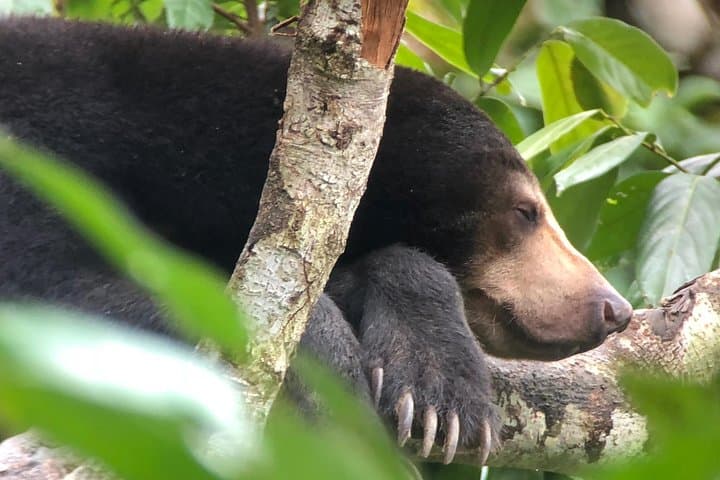
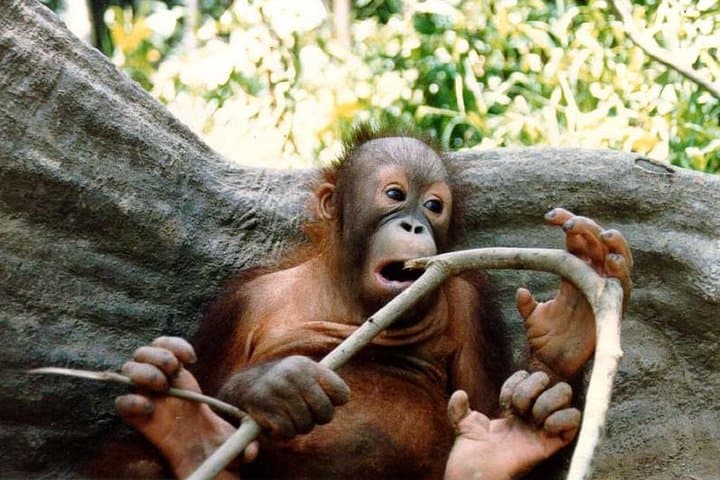
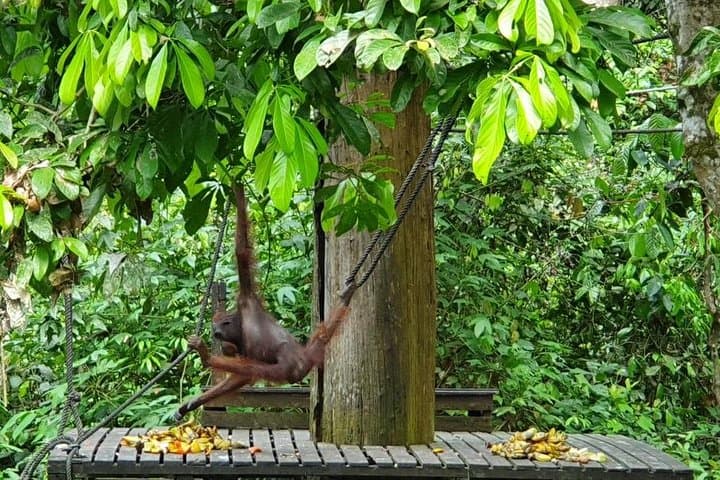
You step off the transfer van into humid lowland rainforest air, the canopy pressing close and birdsong punctuating the quiet. A boardwalk leads you into green corridors where orangutans move like cautious residents of a wild apartment — deliberate, curious, occasionally bold enough to cross the feeding platform. Nearby the Sun Bear Centre offers a different tempo: small bears skitter through fallen logs and climb vine-slung platforms, sniffing for honey and insects.
You step off the transfer van into humid lowland rainforest air, the canopy pressing close and birdsong punctuating the quiet. A boardwalk leads you into green corridors where orangutans move like cautious residents of a wild apartment — deliberate, curious, occasionally bold enough to cross the feeding platform. Nearby the Sun Bear Centre offers a different tempo: small bears skitter through fallen logs and climb vine-slung platforms, sniffing for honey and insects.
The Sepilok Orang Utan Rehabilitation Centre dates to 1964, founded to rehabilitate orphaned and rescued primates back into the Kabili‑Sepilok Forest Reserve. The geology here is lowland sedimentary terrain—flat, porous soil that supports dipterocarp trees and a dense understory where wildlife finds cover. Indigenous culture in Sabah values cautious coexistence with forest species; local guides combine conservation practice with community knowledge about crop seasons and forest resources.
Expect short interpretive talks, a documentary screening, and two scheduled feedings (typically 10:00 and 15:00) though sightings are never guaranteed. Practicalities matter: the boardwalks are well maintained but can be slippery; insect activity is high year-round; large bags and food are restricted at Sepilok. Dress in muted colors, bring a rain layer and a pair of binoculars, and plan for a half‑day to full‑day outing with transfers to/from Sandakan.
Respect distances, follow guide instructions, and keep noise low—both centres operate with rehabilitation and potential release in mind, so your smallest choices affect these animals' futures.