THE ADVENTURE COLLECTIVE® · Independent discovery and booking for outdoor travel

Compress two quintessential Korean experiences into one long weekend: royal palaces and hanok alleys in Seoul, then the singular tension of the DMZ and sweeping views from N Seoul Tower. This private two-day tour pairs curated history with street-food nights.
Compress two quintessential Korean experiences into one long weekend: royal palaces and hanok alleys in Seoul, then the singular tension of the DMZ and sweeping views from N Seoul Tower. This private two-day tour pairs curated history with street-food nights.
The morning opens on a crisp Seoul street: palace roofs catch light while a guide points out the guard’s embroidered sash and the cadence of a changing-guard ritual. You move from tiled courtyards at Gyeongbokgung to the low-angled alleys of Bukchon, where hanok eaves throw long shadows and the city’s layers—royal Joseon-era politics, mid-century industrial rebirth and modern glass—stack visibly.
Verified experiences and guided adventures in the surrounding area.
Operated by Bergen travel · Seoul, Seoul
The morning opens on a crisp Seoul street: palace roofs catch light while a guide points out the guard’s embroidered sash and the cadence of a changing-guard ritual. You move from tiled courtyards at Gyeongbokgung to the low-angled alleys of Bukchon, where hanok eaves throw long shadows and the city’s layers—royal Joseon-era politics, mid-century industrial rebirth and modern glass—stack visibly.
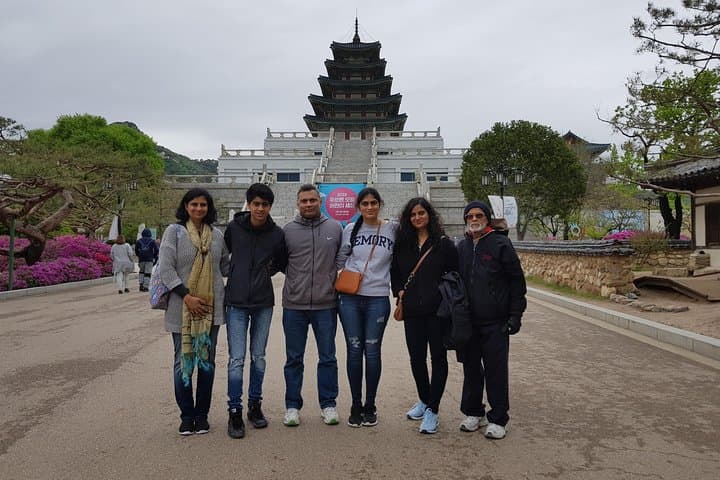
Day one is urban history and street-food energy: the National Folk Museum and Jogyesa Temple ground the story of daily life and belief, and Kwangjang Market delivers pungent, handheld flavors with makgeolli to wash them down. The route follows Cheonggyecheon’s revived current through downtown, a river that once dared to be paved over and was brought back as a public spine.
Day two turns geopolitical. The DMZ is a landscape of uneasy stillness: Imjingak Park, the Third Infiltration Tunnel and Dora Observatory show the peninsula’s divided geology and politics, where observation scopes frame a foreign skyline. Later, the cable car to Namsan gives a panoramic read on Seoul’s concentric neighborhoods—an urban topography of hills, river bends and high-rises.
Practical notes: bring passport and comfortable walking shoes, expect light-to-moderate walking on uneven historic paving, and budget time for security checks at DMZ checkpoints. The itinerary suits travelers seeking a compact, contextual introduction to Korea—equal parts culture, history and outdoor observation—over two deliberate days.
easy.
2 days.
Light to moderate fitness; mostly walking on city streets and short stairs—suitable for most travelers with normal mobility.
Yes—an original passport is required for security checks and entry to DMZ sites; make sure it’s on you every morning of the tour.
The tour includes one dinner (street-food sampling at Kwangjang Market) and some snacks; other meals are typically at your own expense unless specified by the operator.
Generally yes—walking is moderate and the tour notes suitability for all fitness levels, but DMZ security rules and walking distances may be restrictive for very young children or those with serious mobility or heart/spinal conditions.
Yes—the Dora Observatory offers framed views into North Korea on clear days, but viewing depends on visibility and binocular/telescope availability.
Seoul’s historic core centers on Gyeongbokgung, built in 1395 during the Joseon dynasty; surrounding hanok villages preserved home layouts used by officials for centuries.
Cheonggyecheon’s restoration is a prominent urban ecology project—visitors are encouraged to stay on paths and avoid littering to protect water quality and local wildlife.
Bergen travel operates guided outdoor trips and adventures with an emphasis on safety, stewardship, and memorable experiences.
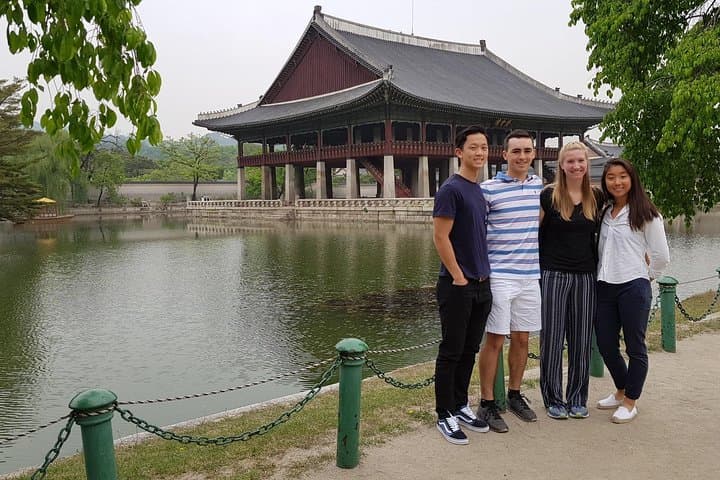
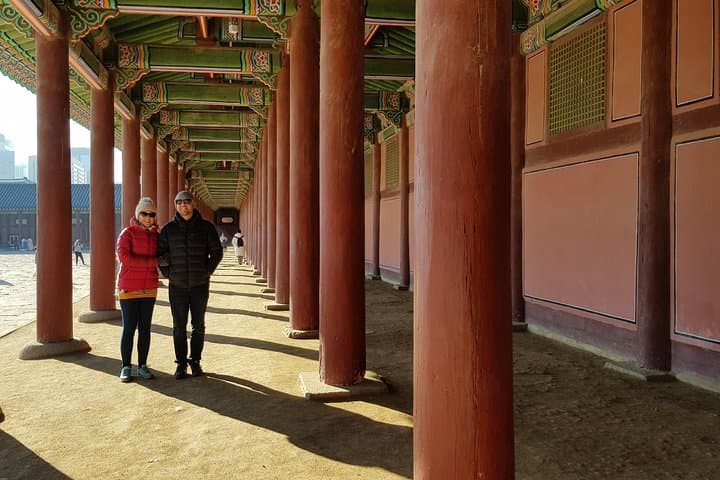
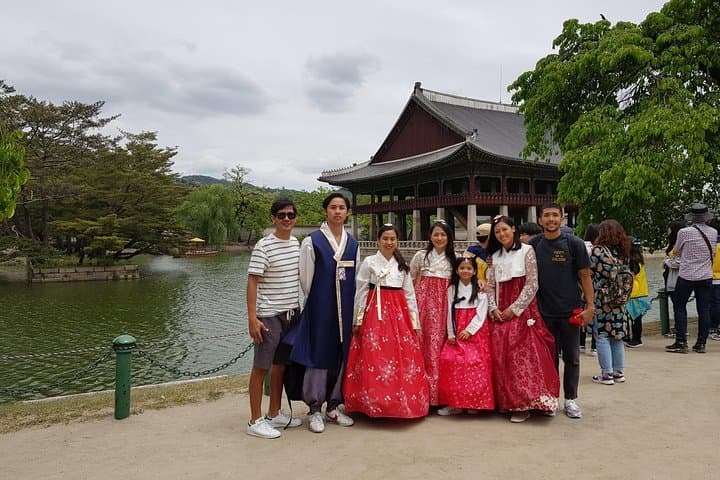
The morning opens on a crisp Seoul street: palace roofs catch light while a guide points out the guard’s embroidered sash and the cadence of a changing-guard ritual. You move from tiled courtyards at Gyeongbokgung to the low-angled alleys of Bukchon, where hanok eaves throw long shadows and the city’s layers—royal Joseon-era politics, mid-century industrial rebirth and modern glass—stack visibly.
The morning opens on a crisp Seoul street: palace roofs catch light while a guide points out the guard’s embroidered sash and the cadence of a changing-guard ritual. You move from tiled courtyards at Gyeongbokgung to the low-angled alleys of Bukchon, where hanok eaves throw long shadows and the city’s layers—royal Joseon-era politics, mid-century industrial rebirth and modern glass—stack visibly.
Day one is urban history and street-food energy: the National Folk Museum and Jogyesa Temple ground the story of daily life and belief, and Kwangjang Market delivers pungent, handheld flavors with makgeolli to wash them down. The route follows Cheonggyecheon’s revived current through downtown, a river that once dared to be paved over and was brought back as a public spine.
Day two turns geopolitical. The DMZ is a landscape of uneasy stillness: Imjingak Park, the Third Infiltration Tunnel and Dora Observatory show the peninsula’s divided geology and politics, where observation scopes frame a foreign skyline. Later, the cable car to Namsan gives a panoramic read on Seoul’s concentric neighborhoods—an urban topography of hills, river bends and high-rises.
Practical notes: bring passport and comfortable walking shoes, expect light-to-moderate walking on uneven historic paving, and budget time for security checks at DMZ checkpoints. The itinerary suits travelers seeking a compact, contextual introduction to Korea—equal parts culture, history and outdoor observation—over two deliberate days.