THE ADVENTURE COLLECTIVE® · Independent discovery and booking for outdoor travel

Walk Seoul’s market lanes with a local host and taste authentic dishes—from handmade noodles to dumplings—on a private, three-hour, fully personalized tour. Learn neighborhood food stories while sampling where locals actually eat.
Walk Seoul’s market lanes with a local host and taste authentic dishes—from handmade noodles to dumplings—on a private, three-hour, fully personalized tour. Learn neighborhood food stories while sampling where locals actually eat.
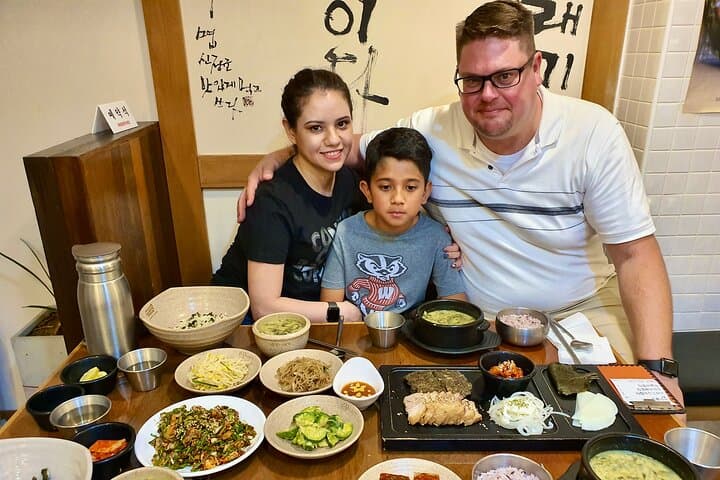
The alley exhales steam and garlic as you step off the bright main street into a thinner, older Seoul. Lanterns clack in a breeze that cuts between low hanok facades and the neon of modern cafés; a host leads you toward a sikdang where the broth is simmering and the table is already warm.
Verified experiences and guided adventures in the surrounding area.
Operated by City Unscripted · Seoul, Seoul
The alley exhales steam and garlic as you step off the bright main street into a thinner, older Seoul. Lanterns clack in a breeze that cuts between low hanok facades and the neon of modern cafés; a host leads you toward a sikdang where the broth is simmering and the table is already warm.
Seoul’s food streets grew from market lanes and communal eating halls—places like Gwangjang Market, operating since the early 20th century—where regional produce met city appetites. Geologically the city sits on the Han River floodplain ringed by low granite ridges (Bugaksan to the north, Namsan to the south), and those elevations once shaped trade routes and neighborhood clusters where distinct flavors developed. Food culture here balances quick, pungent street bites and careful, slow soups; culinary practice is social as much as it is gustatory.
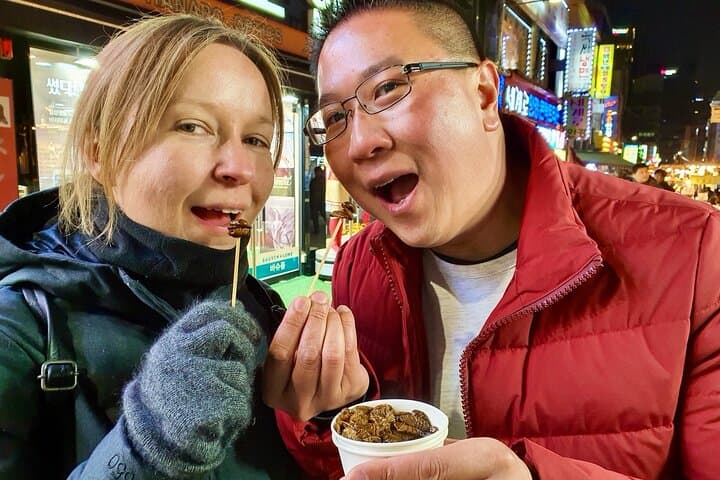
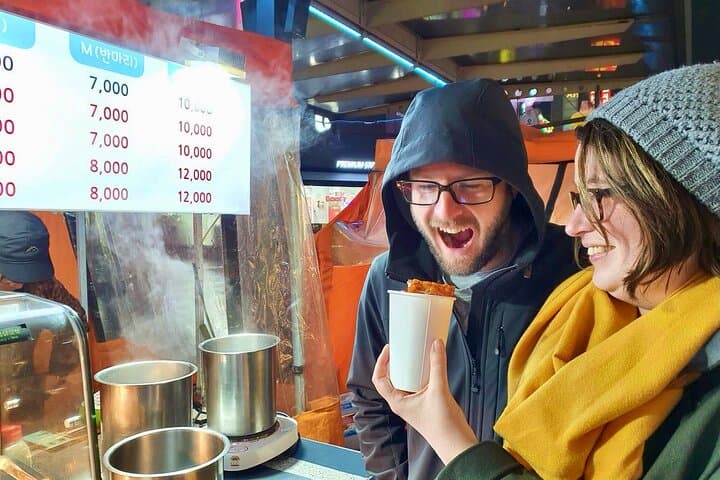
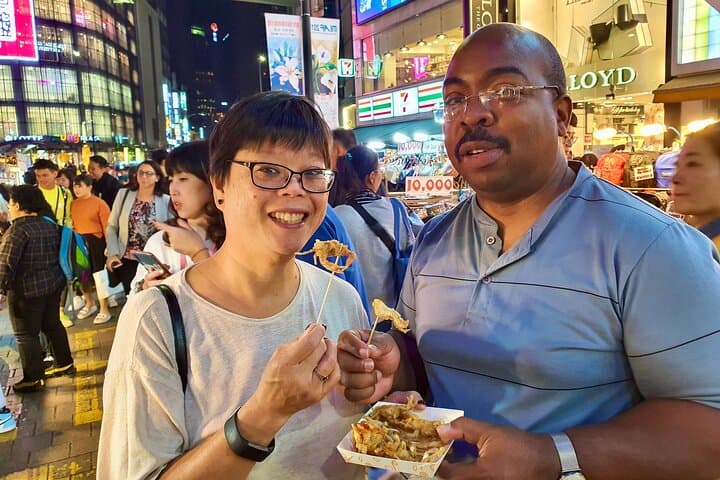
On a private, three-hour walk a local host tailors stops to taste mandu (dumplings), kalguksu (hand-cut noodle soup), garlic-bomb stews and bite-size barbecue, pointing out the techniques behind each dish and why certain neighborhoods favor particular stalls.
Practical guidance: expect a soft-paced, mostly flat walk across market aisles and short blocks; bring small bills, comfortable shoes and space in your stomach. Ask about spice levels and ingredients—hosts can steer you to vegetarian-friendly options—and plan for public transit access; many central meeting points are a short subway ride from hotel districts. This tour is ideal for travelers who want concentrated, authentic flavors with local context and zero guesswork about where to eat.
easy.
3 hours.
Suitable for all fitness levels; requires standing and walking for several short stretches over market floors and city sidewalks.
Yes—hosts customize the experience based on your questionnaire; notify dietary needs at booking and again to your host so stops can be adjusted.
The tour covers short, mostly flat blocks and market aisles; the provider lists it as accessible, but some older alleys may be tight—check specific meeting-location accessibility with your host.
Yes—this is a private, personalized tour and your host will adapt the route and stops based on tastes, pace, and any new preferences you mention during the walk.
The standard experience includes 6–8 tastings and two soft drinks per person; confirm any additional drinks or full meals with your host before ordering.
Seoul’s market culture—centers like Gwangjang—date back to the early 1900s and evolved from trading hubs where regional foods converged in the growing capital.
Choose vendors who minimize single-use plastics, finish tastings to reduce food waste, and support small, family-run eateries to keep local foodways sustainable.
City Unscripted operates guided outdoor trips and adventures with an emphasis on safety, stewardship, and memorable experiences.
The alley exhales steam and garlic as you step off the bright main street into a thinner, older Seoul. Lanterns clack in a breeze that cuts between low hanok facades and the neon of modern cafés; a host leads you toward a sikdang where the broth is simmering and the table is already warm.
The alley exhales steam and garlic as you step off the bright main street into a thinner, older Seoul. Lanterns clack in a breeze that cuts between low hanok facades and the neon of modern cafés; a host leads you toward a sikdang where the broth is simmering and the table is already warm.
Seoul’s food streets grew from market lanes and communal eating halls—places like Gwangjang Market, operating since the early 20th century—where regional produce met city appetites. Geologically the city sits on the Han River floodplain ringed by low granite ridges (Bugaksan to the north, Namsan to the south), and those elevations once shaped trade routes and neighborhood clusters where distinct flavors developed. Food culture here balances quick, pungent street bites and careful, slow soups; culinary practice is social as much as it is gustatory.
On a private, three-hour walk a local host tailors stops to taste mandu (dumplings), kalguksu (hand-cut noodle soup), garlic-bomb stews and bite-size barbecue, pointing out the techniques behind each dish and why certain neighborhoods favor particular stalls.
Practical guidance: expect a soft-paced, mostly flat walk across market aisles and short blocks; bring small bills, comfortable shoes and space in your stomach. Ask about spice levels and ingredients—hosts can steer you to vegetarian-friendly options—and plan for public transit access; many central meeting points are a short subway ride from hotel districts. This tour is ideal for travelers who want concentrated, authentic flavors with local context and zero guesswork about where to eat.