THE ADVENTURE COLLECTIVE® · Independent discovery and booking for outdoor travel

Spend a full day tracing Seoul’s royal and modern edges: Gyeongbokgung’s gate-changing, Bukchon’s hanok lanes, Insadong’s galleries, and vibrant market streets. This private tour packs history, architecture and local flavors into an eight-hour, guide-led route.
Spend a full day tracing Seoul’s royal and modern edges: Gyeongbokgung’s gate-changing, Bukchon’s hanok lanes, Insadong’s galleries, and vibrant market streets. This private tour packs history, architecture and local flavors into an eight-hour, guide-led route.
You step out of your hotel into a Seoul that shuffles between brisk modernity and layered history. The tour begins at the stone threshold of Gyeongbokgung, where the royal gate-changing ceremony unfurls like precise clockwork—guards in crimson and blue moving with practiced formality. The palace courts breathe the Joseon era: wide wooden eaves, tiled roofs, and courtyards that direct your steps and sightlines.
Verified experiences and guided adventures in the surrounding area.
Operated by CNC Tour Korea · Seoul, Seoul
You step out of your hotel into a Seoul that shuffles between brisk modernity and layered history. The tour begins at the stone threshold of Gyeongbokgung, where the royal gate-changing ceremony unfurls like precise clockwork—guards in crimson and blue moving with practiced formality. The palace courts breathe the Joseon era: wide wooden eaves, tiled roofs, and courtyards that direct your steps and sightlines.
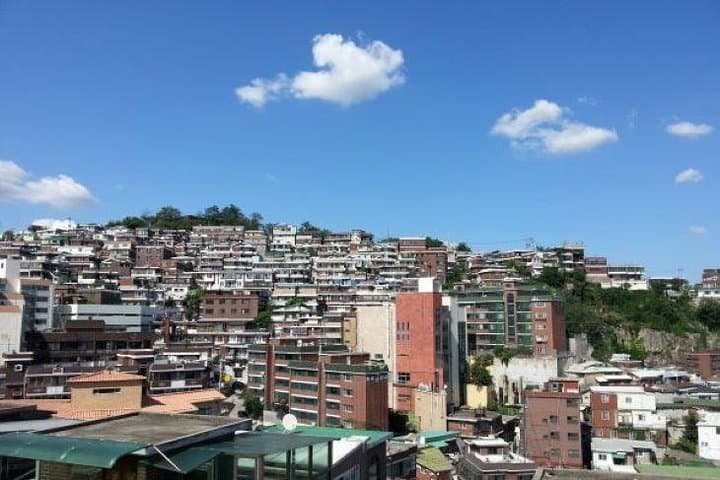
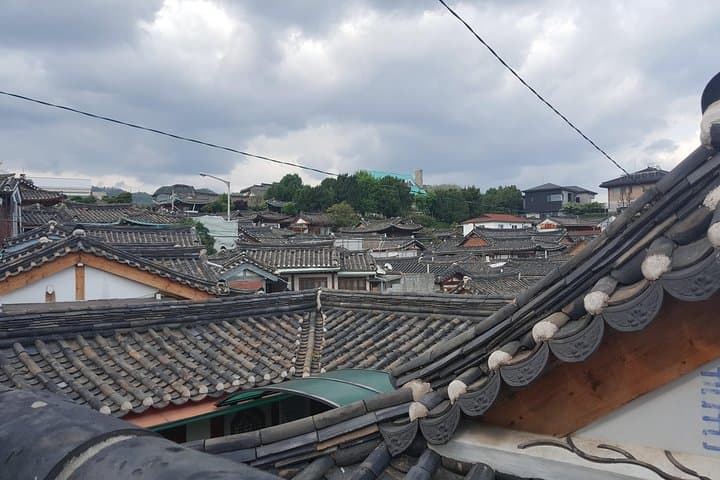
Gyeongbokgung was the seat of Korea’s Joseon dynasty; its layout follows geomantic principles with Bukak Mountain presiding to the north. From the palace you’ll pass the Blue House precinct—Korea’s presidential compound—and thread into neighborhoods that show Seoul’s cultural strata: Jogyesa temple’s quiet incense, the hanok lanes of Bukchon, and Insadong’s narrow alleys of tea houses and galleries. The itinerary includes a downtown Buddhist temple, lunch and browsing time near art galleries and antique shops, a stroll through traditional markets, and a stop at Dongdaemun and Naksan-area viewpoints.
Expect about eight hours of mostly gentle walking, frequent stops for photos and explanations, and short transfers by private vehicle. Practical details: arrive hydrated, wear supportive shoes for uneven stone floors and alleys, and carry small cash for street food and market stalls. Guides typically handle admissions and logistics; the private format lets you set pace and focus—architecture, craft, or culinary bites.
Plan the day to avoid Seoul’s midday heat in summer and reserve extra time if you want to linger in galleries or markets; the built environment rewards slow observation.
easy.
6–8 hours.
Suitable for light to moderate fitness—most walking is on paved or compacted surfaces with intermittent stairs.
Yes—this private tour includes the listed admission fees for palace and museum stops; your guide will handle tickets.
Yes—the tour includes hotel pickup and drop-off within central Seoul; confirm your pickup time at booking.
Generally yes; the pace is moderate with frequent stops, but it’s not recommended for people with serious mobility or cardiovascular issues.
As a private tour, you can ask the guide to emphasize history, architecture, or market shopping—confirm preferences when booking.
Gyeongbokgung was constructed in 1395 as the principal palace of the Joseon dynasty; its plan follows geomantic ideas with Bukak Mountain to the north guiding orientation.
Historic sites manage visitor flow to protect wooden structures and tiled roofs—stick to pathways and avoid touching historic surfaces to reduce wear.
CNC Tour Korea operates guided outdoor trips and adventures with an emphasis on safety, stewardship, and memorable experiences.
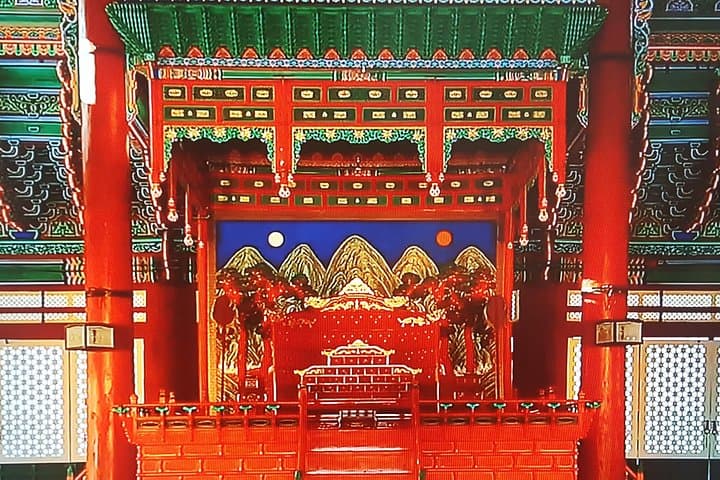
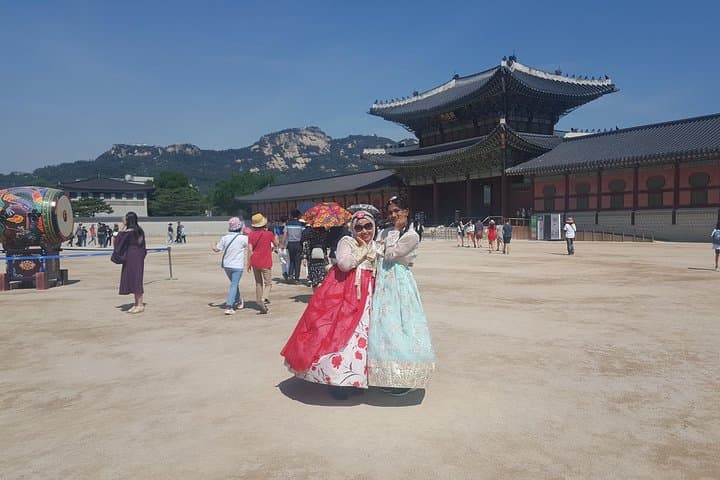
You step out of your hotel into a Seoul that shuffles between brisk modernity and layered history. The tour begins at the stone threshold of Gyeongbokgung, where the royal gate-changing ceremony unfurls like precise clockwork—guards in crimson and blue moving with practiced formality. The palace courts breathe the Joseon era: wide wooden eaves, tiled roofs, and courtyards that direct your steps and sightlines.
You step out of your hotel into a Seoul that shuffles between brisk modernity and layered history. The tour begins at the stone threshold of Gyeongbokgung, where the royal gate-changing ceremony unfurls like precise clockwork—guards in crimson and blue moving with practiced formality. The palace courts breathe the Joseon era: wide wooden eaves, tiled roofs, and courtyards that direct your steps and sightlines.
Gyeongbokgung was the seat of Korea’s Joseon dynasty; its layout follows geomantic principles with Bukak Mountain presiding to the north. From the palace you’ll pass the Blue House precinct—Korea’s presidential compound—and thread into neighborhoods that show Seoul’s cultural strata: Jogyesa temple’s quiet incense, the hanok lanes of Bukchon, and Insadong’s narrow alleys of tea houses and galleries. The itinerary includes a downtown Buddhist temple, lunch and browsing time near art galleries and antique shops, a stroll through traditional markets, and a stop at Dongdaemun and Naksan-area viewpoints.
Expect about eight hours of mostly gentle walking, frequent stops for photos and explanations, and short transfers by private vehicle. Practical details: arrive hydrated, wear supportive shoes for uneven stone floors and alleys, and carry small cash for street food and market stalls. Guides typically handle admissions and logistics; the private format lets you set pace and focus—architecture, craft, or culinary bites.
Plan the day to avoid Seoul’s midday heat in summer and reserve extra time if you want to linger in galleries or markets; the built environment rewards slow observation.