THE ADVENTURE COLLECTIVE® · Independent discovery and booking for outdoor travel

Cook and converse with a North Korean defector in a private Seoul workshop that pairs hand-made potato and corn noodle dishes with first-hand stories about life north of the DMZ. Practical cooking, lived history, and a thoughtful cultural exchange.
Cook and converse with a North Korean defector in a private Seoul workshop that pairs hand-made potato and corn noodle dishes with first-hand stories about life north of the DMZ. Practical cooking, lived history, and a thoughtful cultural exchange.
The air in a small Seoul studio carries the sharp aroma of frying scallions and a quiet attentiveness as a former North Korean resident arranges potatoes and corn on a simple wooden table.
Verified experiences and guided adventures in the surrounding area.
Operated by Dmgspy Tour · Seoul, Seoul
The air in a small Seoul studio carries the sharp aroma of frying scallions and a quiet attentiveness as a former North Korean resident arranges potatoes and corn on a simple wooden table.
This private, four-hour workshop pairs hands-on cooking with a personal talk: recipes rooted in the northern provinces, where potatoes and corn were staples, arrive with stories of scarcity, adaptation, and everyday life under a different system. Geographically the Korean peninsula shifts from coastal rice plains in the south to the rugged, higher ground in the north—land that shaped diets built on hardy tubers and preserved flavors.
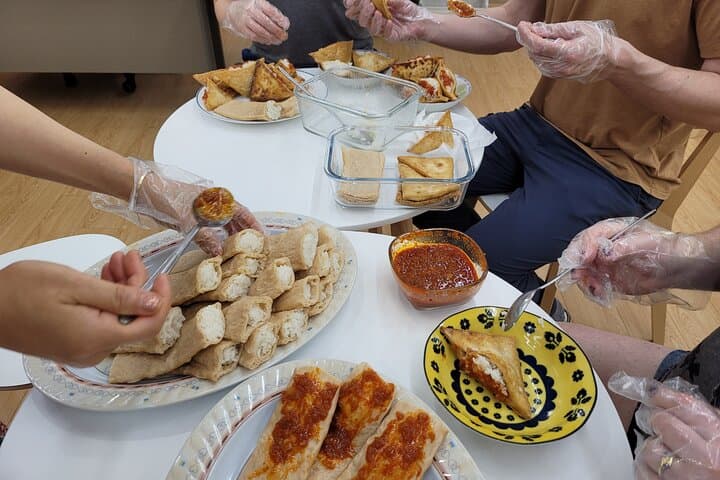
Historically, these dishes reflect resourcefulness during the colonial era and later austerity; the menu—potato noodle, sweet corn noodle, and soy bean “meat”—offers a living lesson in culinary survival and cultural continuity. The class balances tasting with testimony: expect frank conversation about escape, settlement in the South, and how food carries memory.
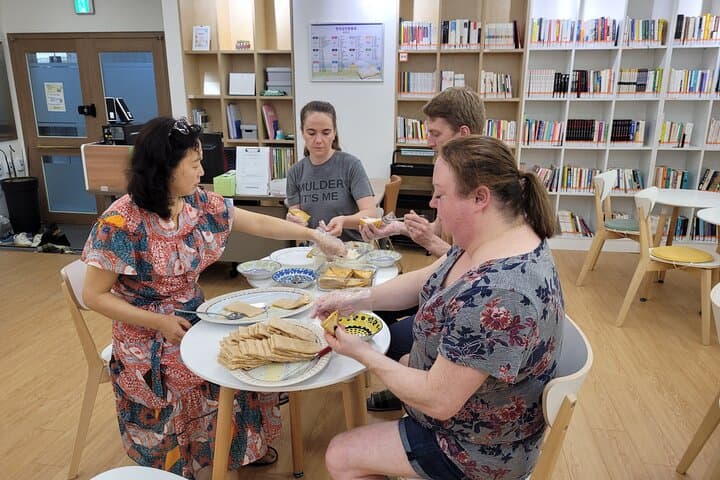
Practical guidance: arrive with questions and dietary notes; much of the session is sit-and-learn punctuated by hands-on prep and shared lunch. The location is reachable by public transit; casually smart clothes and closed-toe shoes suffice. Bring a notebook for recipes and a reusable water bottle—the pace is steady, not strenuous, but the discussion can be intense.
For travelers seeking context beyond tourist menus, this is a compact cultural immersion: part cooking class, part oral history, and a direct window into a cuisine forged by geography and circumstance.
easy.
4 hours.
Light physical activity: standing for short periods and light food prep; no special fitness required
The content may include adult themes related to escape and hardship; consider maturity and ask the operator if children are suitable.
Yes—state restrictions when booking so ingredients and dishes can be adjusted where possible.
Expect a mix of demonstration, hands-on cooking, shared lunch, and a personal talk/Q&A with the defector.
This is a private activity with a central meeting location; public transit is convenient, but pickup is not included unless arranged separately.
Northern Korean home cooking preserves techniques and ingredients influenced by limited arable plains and colonial-era disruptions, resulting in potato- and corn-forward dishes.
The experience is low-impact but supports cultural preservation—bring reusable items and minimize single-use plastics during the session.
Dmgspy Tour operates guided outdoor trips and adventures with an emphasis on safety, stewardship, and memorable experiences.
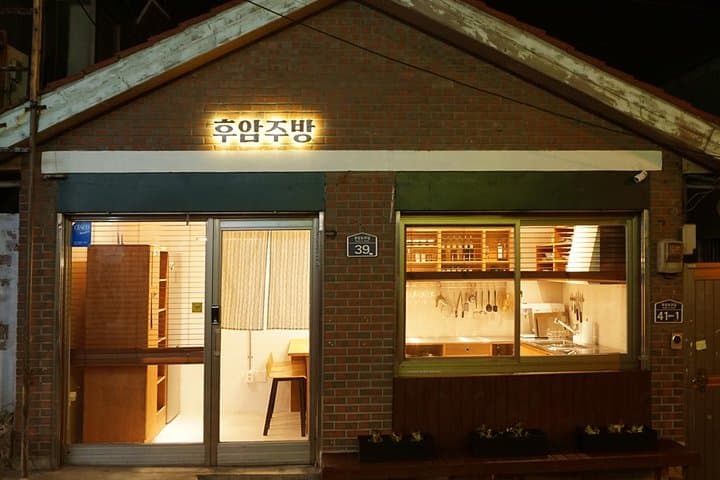
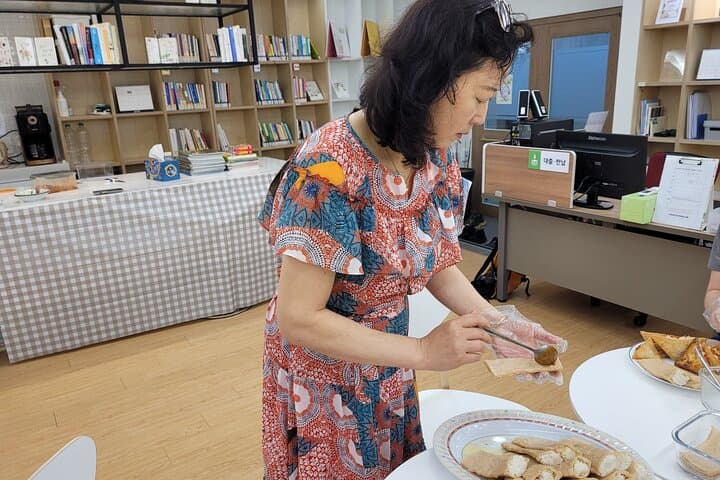
The air in a small Seoul studio carries the sharp aroma of frying scallions and a quiet attentiveness as a former North Korean resident arranges potatoes and corn on a simple wooden table.
The air in a small Seoul studio carries the sharp aroma of frying scallions and a quiet attentiveness as a former North Korean resident arranges potatoes and corn on a simple wooden table.
This private, four-hour workshop pairs hands-on cooking with a personal talk: recipes rooted in the northern provinces, where potatoes and corn were staples, arrive with stories of scarcity, adaptation, and everyday life under a different system. Geographically the Korean peninsula shifts from coastal rice plains in the south to the rugged, higher ground in the north—land that shaped diets built on hardy tubers and preserved flavors.
Historically, these dishes reflect resourcefulness during the colonial era and later austerity; the menu—potato noodle, sweet corn noodle, and soy bean “meat”—offers a living lesson in culinary survival and cultural continuity. The class balances tasting with testimony: expect frank conversation about escape, settlement in the South, and how food carries memory.
Practical guidance: arrive with questions and dietary notes; much of the session is sit-and-learn punctuated by hands-on prep and shared lunch. The location is reachable by public transit; casually smart clothes and closed-toe shoes suffice. Bring a notebook for recipes and a reusable water bottle—the pace is steady, not strenuous, but the discussion can be intense.
For travelers seeking context beyond tourist menus, this is a compact cultural immersion: part cooking class, part oral history, and a direct window into a cuisine forged by geography and circumstance.