THE ADVENTURE COLLECTIVE® · Independent discovery and booking for outdoor travel

Explore the Korean Peninsula’s most charged landscape without the tourist stops: a private, no-shopping DMZ tour that visits the Third Tunnel, Dora Observatory and a suspension bridge hike. Expect military checkpoints, palpable history, and panoramic views into North Korea.
Explore the Korean Peninsula’s most charged landscape without the tourist stops: a private, no-shopping DMZ tour that visits the Third Tunnel, Dora Observatory and a suspension bridge hike. Expect military checkpoints, palpable history, and panoramic views into North Korea.
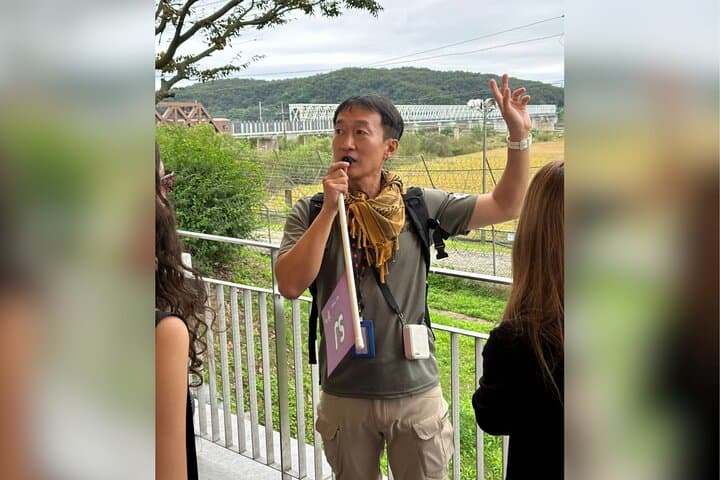
A low winter sun cuts across the rice paddies as you pull away from Seoul; the road narrows, traffic thins, and the first barbed-wire fences come into view. This private DMZ tour moves at a deliberate pace—door-to-door pickup in an air-conditioned vehicle, then straight to Imjingak Park’s memorials where steam locomotives and the Bridge of Freedom mark the human cost of division.
Verified experiences and guided adventures in the surrounding area.
Operated by PLK TRAVEL · Paju, Gyeonggi-do
A low winter sun cuts across the rice paddies as you pull away from Seoul; the road narrows, traffic thins, and the first barbed-wire fences come into view. This private DMZ tour moves at a deliberate pace—door-to-door pickup in an air-conditioned vehicle, then straight to Imjingak Park’s memorials where steam locomotives and the Bridge of Freedom mark the human cost of division.
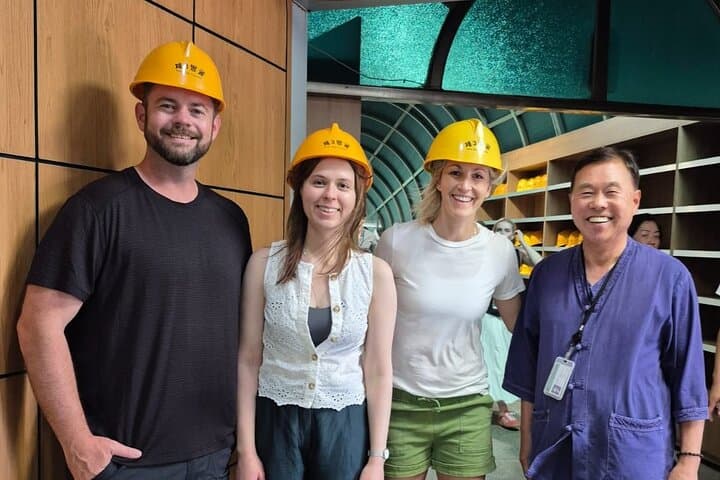
You’ll descend into the Third Infiltration Tunnel, discovered in 1978: a 2 m by 2 m passage carved beneath the armistice line that reveals Cold War engineering and intent. At Dora Observatory the scopes frame a northbound skyline—Gaeseong and factory complexes are visible on clear days—making the geopolitical divide tangible.
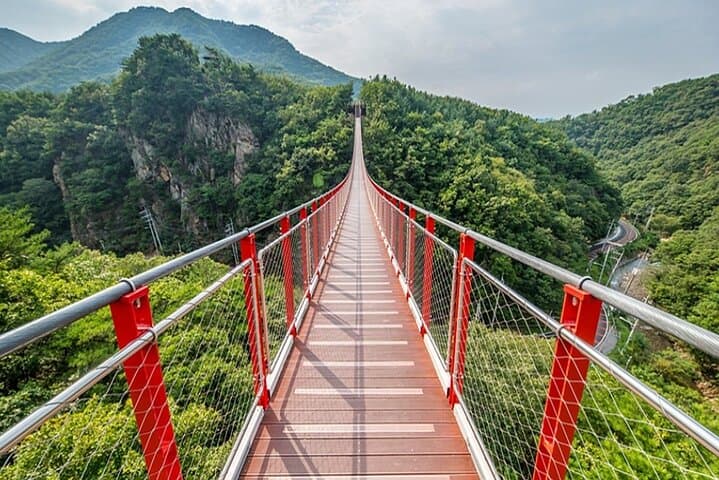
The route combines history and place: Imjingak’s Mangbaedan altar for ancestral rites, the DMZ theater’s short documentary on division and ecology, and a choice between the Gamaksan mountain suspension bridge hike or the more tranquil Majang Lake bridge and viewpoints. Geologically, the ridge-and-valley landscape of northern Gyeonggi shapes short, steep climbs and broad lowland vistas; soil and drainage patterns here supported both agriculture and wartime movement.
Practical guidance: bring your passport and wear smart-casual clothing; expect security ID checks and possible itinerary shifts due to military schedules. The tour balances somber sites with open-air observation and a manageable amount of walking—suitable for moderately fit travelers who want historical depth without crowds or shopping stops.
moderate.
8–9 hours.
Moderately fit — able to walk up short slopes, descend stairs into the tunnel, and stand through observatory viewing.
Yes. A current valid passport (name, number, expiry and country) is required at booking and must be presented on the day for security checks.
Photography is allowed at many observation areas but restricted near certain military installations—follow guide and posted instructions to avoid issues.
Yes, but the operator notes infants must sit on laps and the tour requires a minimum of two people per booking; adult pricing typically applies for most travelers.
Yes. Military training, weather, or security protocols can alter access and timing; guides will provide alternatives when necessary.
The DMZ was established by the 1953 armistice as a 4-km-wide buffer; many park monuments and the Third Tunnel reflect events and strategy from the Korean War and subsequent periods.
Restricted human activity in parts of the DMZ has created de facto wildlife refuges; visitors should stay on designated paths and follow guides to minimize disturbance.
PLK TRAVEL operates guided outdoor trips and adventures with an emphasis on safety, stewardship, and memorable experiences.
A low winter sun cuts across the rice paddies as you pull away from Seoul; the road narrows, traffic thins, and the first barbed-wire fences come into view. This private DMZ tour moves at a deliberate pace—door-to-door pickup in an air-conditioned vehicle, then straight to Imjingak Park’s memorials where steam locomotives and the Bridge of Freedom mark the human cost of division.
A low winter sun cuts across the rice paddies as you pull away from Seoul; the road narrows, traffic thins, and the first barbed-wire fences come into view. This private DMZ tour moves at a deliberate pace—door-to-door pickup in an air-conditioned vehicle, then straight to Imjingak Park’s memorials where steam locomotives and the Bridge of Freedom mark the human cost of division.
You’ll descend into the Third Infiltration Tunnel, discovered in 1978: a 2 m by 2 m passage carved beneath the armistice line that reveals Cold War engineering and intent. At Dora Observatory the scopes frame a northbound skyline—Gaeseong and factory complexes are visible on clear days—making the geopolitical divide tangible.
The route combines history and place: Imjingak’s Mangbaedan altar for ancestral rites, the DMZ theater’s short documentary on division and ecology, and a choice between the Gamaksan mountain suspension bridge hike or the more tranquil Majang Lake bridge and viewpoints. Geologically, the ridge-and-valley landscape of northern Gyeonggi shapes short, steep climbs and broad lowland vistas; soil and drainage patterns here supported both agriculture and wartime movement.
Practical guidance: bring your passport and wear smart-casual clothing; expect security ID checks and possible itinerary shifts due to military schedules. The tour balances somber sites with open-air observation and a manageable amount of walking—suitable for moderately fit travelers who want historical depth without crowds or shopping stops.