THE ADVENTURE COLLECTIVE® · Independent discovery and booking for outdoor travel

Trace the Vatican‑recognized pilgrimage routes of Seoul on a private, full‑day tour with a licensed English guide. Visit cathedrals, execution sites, and shrines that map Korea’s distinctive Catholic history.
Trace the Vatican‑recognized pilgrimage routes of Seoul on a private, full‑day tour with a licensed English guide. Visit cathedrals, execution sites, and shrines that map Korea’s distinctive Catholic history.
You step out of the air‑conditioned van into a Seoul morning that still smells faintly of street coffee and incense. Stone steps lead up to a cathedral facade, bells waiting to measure the slow rhythm of the city; across town, a low hill remembers a darker hour in quiet stone and tidy memorials. The tour threads these contrasts together—urban life and the hard, intimate histories of Korean Catholicism—over a full day with a licensed English guide.
Verified experiences and guided adventures in the surrounding area.
Operated by Best K Services · Seoul, Seoul
You step out of the air‑conditioned van into a Seoul morning that still smells faintly of street coffee and incense. Stone steps lead up to a cathedral facade, bells waiting to measure the slow rhythm of the city; across town, a low hill remembers a darker hour in quiet stone and tidy memorials. The tour threads these contrasts together—urban life and the hard, intimate histories of Korean Catholicism—over a full day with a licensed English guide.
Catholicism in Korea grew uniquely: lay-led study and secret gatherings under the Joseon dynasty produced waves of persecution, martyrdom, and eventual recognition by the Vatican. Sites on the route include the Archdiocese seat and museum, execution grounds from the 19th century, and shrines commemorating priests and lay martyrs. The geology is ordinary urban granite and low hills, but the cultural landscape is layered—shrines, colonial‑era churches, and modern memorials side by side.
Expect steady, mostly flat walking between stops and short vehicle transfers; each major site gets roughly an hour for guided interpretation and reflection. Practicalities: wear supportive shoes for pavement and some cobblestone, bring water and a portable charger, and allot time for modest, respectful dress in sacred spaces. Morning light is best for photos and quieter visits; afternoons can be busier at popular churches.
This is a reflective, history-rich day rather than a strenuous hike—an immersive route through Seoul’s religious memory that balances reverence with clear logistics for travelers who want depth and context in a single, expertly guided day.
easy.
7–8 hours.
Suitable for most fitness levels; involves prolonged standing and walking on pavement for several hours.
This private tour runs about 7–8 hours, typically with 60 minutes at each major stop and vehicle transfers between locations.
Yes—infants can travel in strollers and the pace is gentle, but caregivers should plan for limited stroller access at some historic sites.
Admission fees to the listed sites are included as noted in the tour inclusions; check your booking confirmation for specifics.
Conservative, comfortable clothing is recommended—shoulders and knees covered for entry into churches and shrines; comfortable shoes for walking.
Korean Catholicism developed in a lay-driven fashion during the Joseon era and suffered waves of persecution in the 18th–19th centuries; the Vatican has recognized routes and martyrs from that era.
Many sites are preserved as historic monuments—visit respectfully, avoid leaving litter, and follow local rules to help protect fragile memorials and church interiors.
Best K Services operates guided outdoor trips and adventures with an emphasis on safety, stewardship, and memorable experiences.
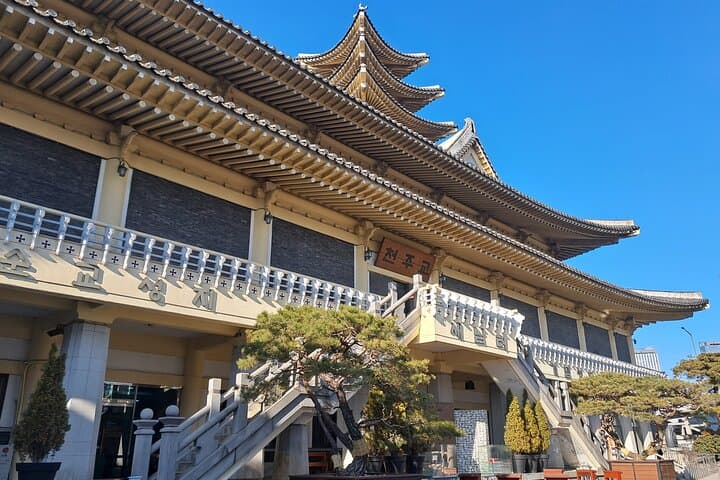
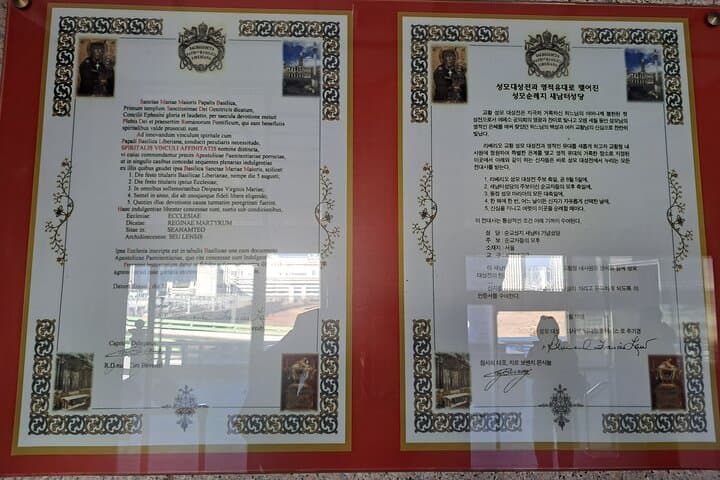
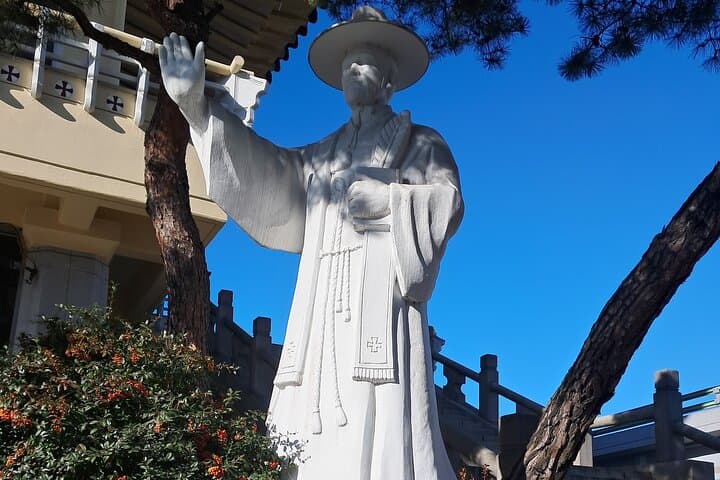
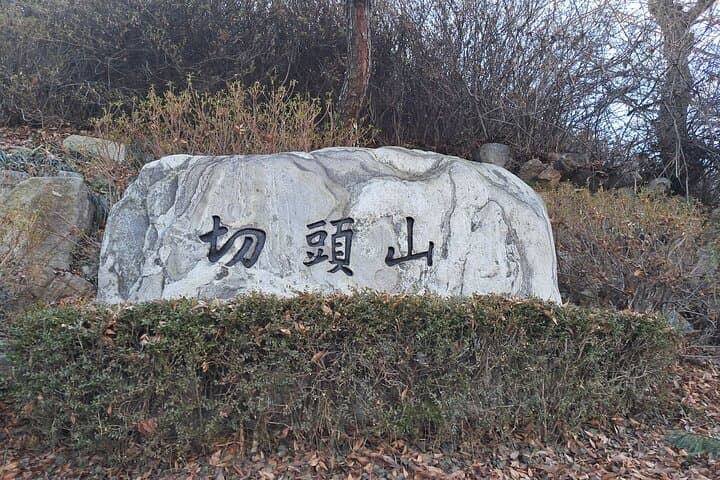
You step out of the air‑conditioned van into a Seoul morning that still smells faintly of street coffee and incense. Stone steps lead up to a cathedral facade, bells waiting to measure the slow rhythm of the city; across town, a low hill remembers a darker hour in quiet stone and tidy memorials. The tour threads these contrasts together—urban life and the hard, intimate histories of Korean Catholicism—over a full day with a licensed English guide.
You step out of the air‑conditioned van into a Seoul morning that still smells faintly of street coffee and incense. Stone steps lead up to a cathedral facade, bells waiting to measure the slow rhythm of the city; across town, a low hill remembers a darker hour in quiet stone and tidy memorials. The tour threads these contrasts together—urban life and the hard, intimate histories of Korean Catholicism—over a full day with a licensed English guide.
Catholicism in Korea grew uniquely: lay-led study and secret gatherings under the Joseon dynasty produced waves of persecution, martyrdom, and eventual recognition by the Vatican. Sites on the route include the Archdiocese seat and museum, execution grounds from the 19th century, and shrines commemorating priests and lay martyrs. The geology is ordinary urban granite and low hills, but the cultural landscape is layered—shrines, colonial‑era churches, and modern memorials side by side.
Expect steady, mostly flat walking between stops and short vehicle transfers; each major site gets roughly an hour for guided interpretation and reflection. Practicalities: wear supportive shoes for pavement and some cobblestone, bring water and a portable charger, and allot time for modest, respectful dress in sacred spaces. Morning light is best for photos and quieter visits; afternoons can be busier at popular churches.
This is a reflective, history-rich day rather than a strenuous hike—an immersive route through Seoul’s religious memory that balances reverence with clear logistics for travelers who want depth and context in a single, expertly guided day.