THE ADVENTURE COLLECTIVE® · Independent discovery and booking for outdoor travel

Walk Jongno’s night alleys to taste four quintessential stops — charcoal barbecue, simmering budae‑jjigae, modern comfort fare and a calming tea house — on a three‑hour guided evening tour. Learn how Seoul’s culinary past meets its contemporary street culture while sampling authentic flavors.
Walk Jongno’s night alleys to taste four quintessential stops — charcoal barbecue, simmering budae‑jjigae, modern comfort fare and a calming tea house — on a three‑hour guided evening tour. Learn how Seoul’s culinary past meets its contemporary street culture while sampling authentic flavors.
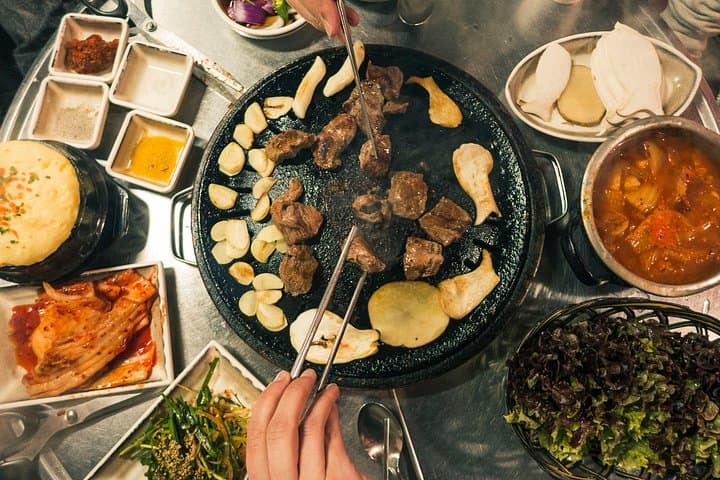
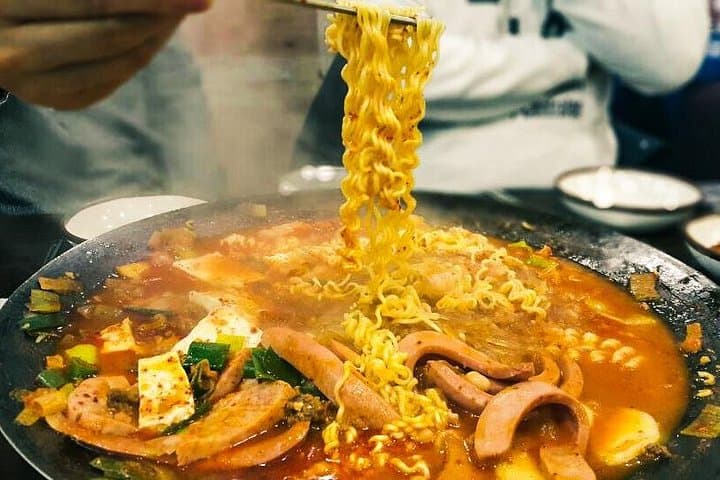
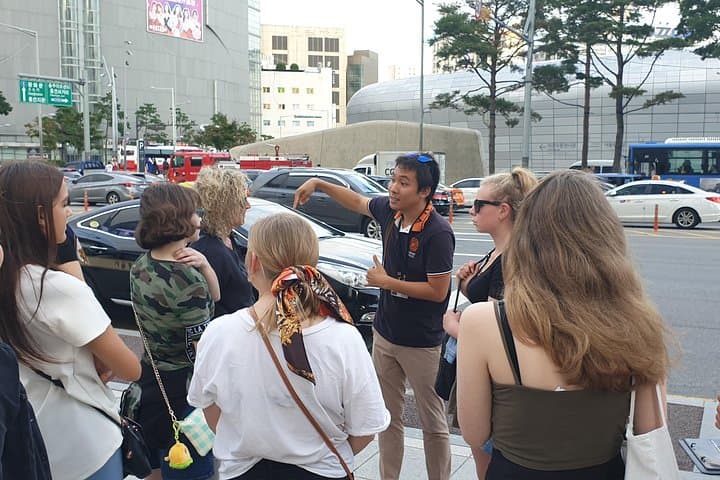
Streetlights pool like lanterns across narrow Jongno alleys, steam curling from bubbling pots as the neighborhood wakes after dusk. On a three‑hour night walk, your guide threads you through neon, tile roofs and low-slung doorways where charcoal grills bite into meat and communal pots hiss with army stew — a city that tastes of history as much as spice.
Verified experiences and guided adventures in the surrounding area.
Operated by OnedayKorea · Seoul, Seoul
Streetlights pool like lanterns across narrow Jongno alleys, steam curling from bubbling pots as the neighborhood wakes after dusk. On a three‑hour night walk, your guide threads you through neon, tile roofs and low-slung doorways where charcoal grills bite into meat and communal pots hiss with army stew — a city that tastes of history as much as spice.
Jongno sits at Seoul’s historical core, a district born in the Joseon era where royal roads met markets and tea houses. The food reflects layers of change: royal court flavors, 20th‑century wartime improvisations that became budae‑jjigae, and modern barbecue culture that turned alley stalls into late‑night gathering points. The streets themselves are recent geology — paved and replanted through rapid urban renewal — but the hanok alleys and shrine stones keep the past visible.
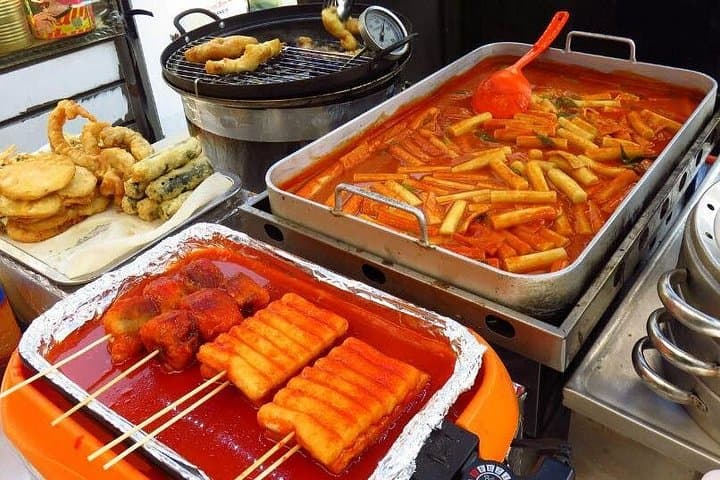
Expect four tasting stops: a smoky alley barbecue, a shared pot of budae‑jjigae, a modern comfort dish, and a traditional tea house to finish. The pace is gentle and social, with short walks between venues and plenty of chances to ask about techniques, cuts, and cultural context.
Practical guidance: book a three‑hour evening slot, bring cash for small purchases, and flag any allergies upfront — vegetarian options are not provided. Wear comfortable shoes for uneven alleyways, and time the tour on a weekday to avoid larger weekend crowds. This is a low‑impact way to taste Seoul’s savory contrasts while supporting long‑running local vendors.
easy.
3 hours.
Suitable for most fitness levels; involves short walks on paved and uneven alleys and standing at food stalls.
This itinerary does not include vegetarian options; the menu focuses on barbecue and budae‑jjigae. Contact the operator at booking to discuss any dietary restrictions.
The tour is an evening/night experience with a fixed three‑hour duration; exact meeting time is provided upon booking and depends on nightly schedule.
The listed inclusions cover food tastings and a local guide; alcoholic drinks are typically not included—confirm with the operator in advance if you want drinks provided.
Infants are permitted but must sit on an adult’s lap; the tour is rated easy physically but involves busy alleys and shared seating, so consider comfort for young children.
Jongno was Seoul’s political and cultural center during the Joseon dynasty; many foodways grew from palace cuisine, merchants’ markets and post‑war adaptations like budae‑jjigae.
Support small vendors by minimizing packaging waste and avoid single‑use utensils when possible; nightlife can strain alleyway sanitation, so follow guide direction to reduce impact.
OnedayKorea operates guided outdoor trips and adventures with an emphasis on safety, stewardship, and memorable experiences.
Streetlights pool like lanterns across narrow Jongno alleys, steam curling from bubbling pots as the neighborhood wakes after dusk. On a three‑hour night walk, your guide threads you through neon, tile roofs and low-slung doorways where charcoal grills bite into meat and communal pots hiss with army stew — a city that tastes of history as much as spice.
Streetlights pool like lanterns across narrow Jongno alleys, steam curling from bubbling pots as the neighborhood wakes after dusk. On a three‑hour night walk, your guide threads you through neon, tile roofs and low-slung doorways where charcoal grills bite into meat and communal pots hiss with army stew — a city that tastes of history as much as spice.
Jongno sits at Seoul’s historical core, a district born in the Joseon era where royal roads met markets and tea houses. The food reflects layers of change: royal court flavors, 20th‑century wartime improvisations that became budae‑jjigae, and modern barbecue culture that turned alley stalls into late‑night gathering points. The streets themselves are recent geology — paved and replanted through rapid urban renewal — but the hanok alleys and shrine stones keep the past visible.
Expect four tasting stops: a smoky alley barbecue, a shared pot of budae‑jjigae, a modern comfort dish, and a traditional tea house to finish. The pace is gentle and social, with short walks between venues and plenty of chances to ask about techniques, cuts, and cultural context.
Practical guidance: book a three‑hour evening slot, bring cash for small purchases, and flag any allergies upfront — vegetarian options are not provided. Wear comfortable shoes for uneven alleyways, and time the tour on a weekday to avoid larger weekend crowds. This is a low‑impact way to taste Seoul’s savory contrasts while supporting long‑running local vendors.