THE ADVENTURE COLLECTIVE® · Independent discovery and booking for outdoor travel

Lose the city in a morning and climb into the stories of Seoul’s mountains. This guided hike pairs granite ridgelines and hidden temples with hasanju—the Korean post-hike meal—so you return tired, fed, and full of folklore.
Lose the city in a morning and climb into the stories of Seoul’s mountains. This guided hike pairs granite ridgelines and hidden temples with hasanju—the Korean post-hike meal—so you return tired, fed, and full of folklore.
The morning air bites with a clarity unique to Seoul’s high ground as the group gathers at Gupabal Station, Gate 1. Concrete gives way to the upright hush of pines within minutes; the city’s hum recedes and the trail itself takes over, a living route that seems intent on testing lungs and attention. Wind coaxes the branches, and stone ridgelines appear like old scars on the mountain’s flank, daring you higher.
Verified experiences and guided adventures in the surrounding area.
Operated by ZenKimchi Experiences · Seoul, Seoul
The morning air bites with a clarity unique to Seoul’s high ground as the group gathers at Gupabal Station, Gate 1. Concrete gives way to the upright hush of pines within minutes; the city’s hum recedes and the trail itself takes over, a living route that seems intent on testing lungs and attention. Wind coaxes the branches, and stone ridgelines appear like old scars on the mountain’s flank, daring you higher.
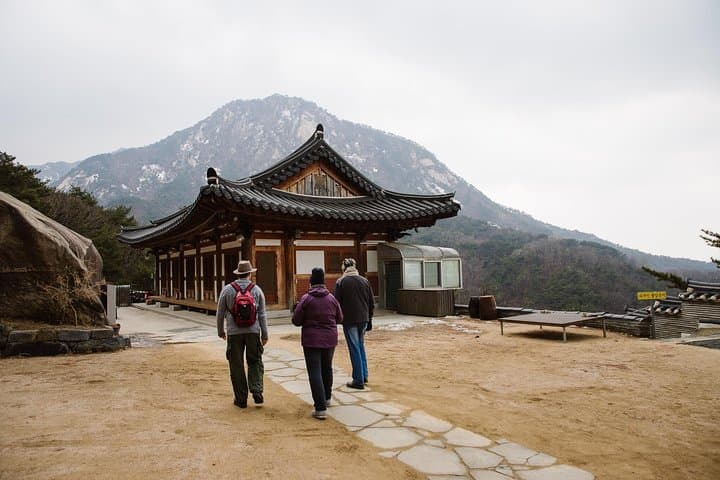
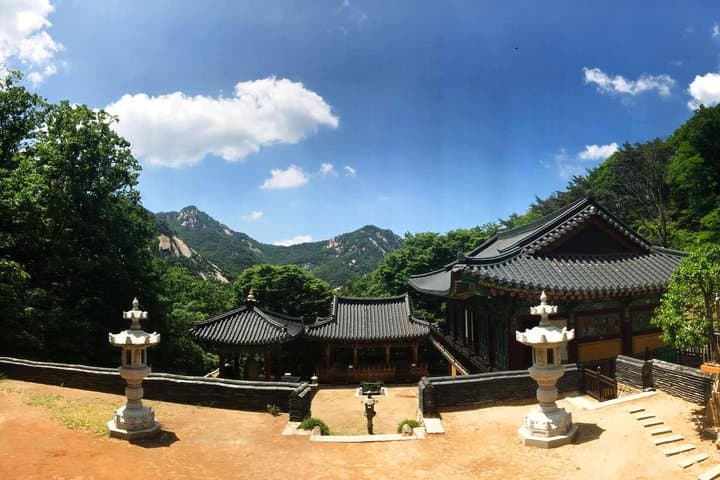
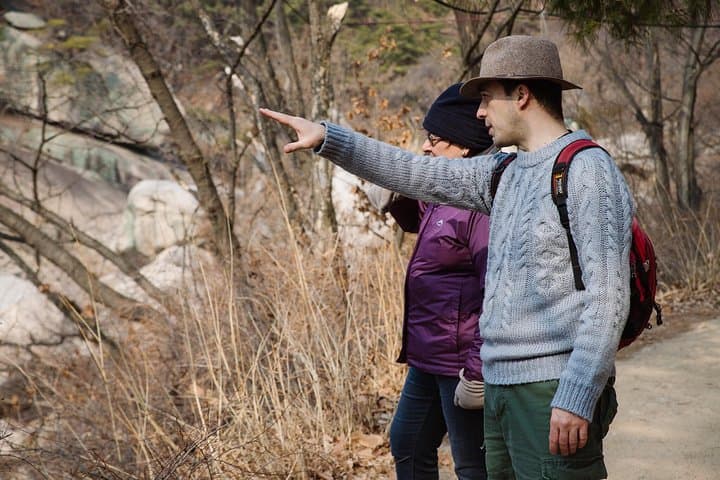
This guided route moves through a sequence of micro-worlds: shaded valleys that smell of resin, steep clefts where the path clings to bedrock, and open ridgelines that pay out skyline views of distant towers. Along the way small Buddhist hermitages and shamanic shrines emerge from rocky nooks—these are not props but working spiritual sites where incense curls and locals leave offerings. Your guide threads history into the walk: Confucian scholars, mountain monks, and Joseon-era hunters all walked these slopes, and stories of spirits and guardian deities linger in place names and temple lore.
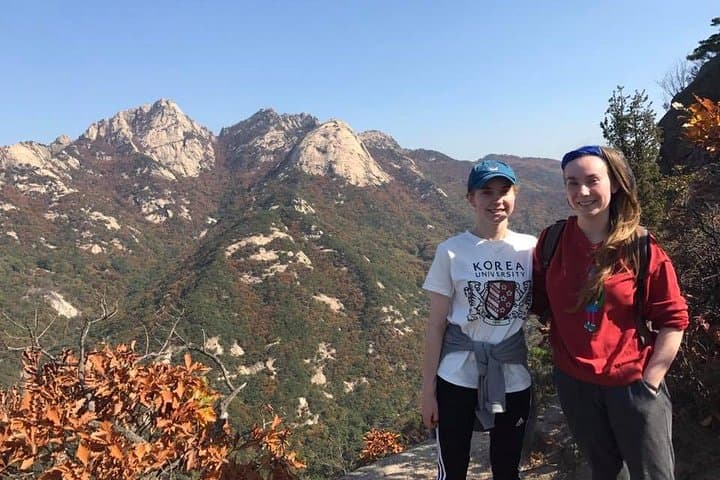
Geologically, the ridges belong to the granite bones of northern Seoul—jointed, weathered, and giving rise to steep scrambles rather than long alpine approaches. The trail makes a single sustained ascent early on (expect a steep 300–500-meter climb over a short distance), then levels into a mix of forest track and exposed rock with sharply framed views. In spring, azaleas flare on the slopes; fall brings a sudden, leaf-stopping color; in winter the rocks turn austere, and summer can feel close and humid under the canopy.
Culturally the hike ends with hasanju—the restorative ritual-hunger of Korean hikers. At a mountainside restaurant you will eat a hot chicken stew with mountain roots or a well-made vegetarian bibimbap, washed down with makgeolli or beer. The food is simple, well-sourced, and designed to restore heat and appetite after a day of elevation gain.
Practicalities: the full experience runs about 4–5 hours and covers rough terrain with one long steep climb; expect roughly 8–10 km and 400–600 m cumulative elevation gain depending on the exact route. The operator provides an expert guide, bus transfer from Gupabal to the trailhead, and lunch with drinks. Meet at Gupabal Station (Line 3) and arrive by subway—traffic on Seoul’s roads can be slow.
Bring sturdy footwear with grip, 1–1.5 liters of water, layered clothing for changing conditions, and small local currency for extras. The operator limits groups to small sizes and reserves the right to refuse service to intoxicated guests; the tour is best for those in moderate fitness with no serious back or heart conditions.
This is a day that balances physical effort and cultural immersion: you leave the city, move through the mountain’s moods, listen to stories older than the skyline, and finish at a table where food is part of the trail’s conclusion rather than an afterthought.
moderate.
4–5 hours.
Should be in moderate cardiovascular shape; able to sustain a steep ascent and several hours of mixed terrain.
Meet your guide at Gupabal Station (Seoul Subway Line 3), Gate 1; the guide’s phone/WhatsApp is provided in confirmation.
Moderate: one sustained steep ascent early on, mixed forest and rocky ridgelines—no technical gear required.
Guide, bus fare from Gupabal to the trailhead, lunch (hasanju style) and drinks are included.
Yes—advise any dietary requirements at booking so the restaurant can prepare vegetarian or other options.
Minimum age is 18; not recommended for pregnant travelers or those with serious back or heart issues.
Full refund if canceled at least 24 hours before departure; operator may cancel for bad weather.
These slopes have long been a place of retreat for Buddhist monks and local shamans; many names and rock formations carry stories tied to Joseon-era folklore.
Trails are protected public land; follow Leave No Trace principles and avoid taking plants or disturbing shrine sites—local groups run periodic cleanups to protect the terrain.
ZenKimchi Experiences operates guided outdoor trips and adventures with an emphasis on safety, stewardship, and memorable experiences.
The morning air bites with a clarity unique to Seoul’s high ground as the group gathers at Gupabal Station, Gate 1. Concrete gives way to the upright hush of pines within minutes; the city’s hum recedes and the trail itself takes over, a living route that seems intent on testing lungs and attention. Wind coaxes the branches, and stone ridgelines appear like old scars on the mountain’s flank, daring you higher.
The morning air bites with a clarity unique to Seoul’s high ground as the group gathers at Gupabal Station, Gate 1. Concrete gives way to the upright hush of pines within minutes; the city’s hum recedes and the trail itself takes over, a living route that seems intent on testing lungs and attention. Wind coaxes the branches, and stone ridgelines appear like old scars on the mountain’s flank, daring you higher.
This guided route moves through a sequence of micro-worlds: shaded valleys that smell of resin, steep clefts where the path clings to bedrock, and open ridgelines that pay out skyline views of distant towers. Along the way small Buddhist hermitages and shamanic shrines emerge from rocky nooks—these are not props but working spiritual sites where incense curls and locals leave offerings. Your guide threads history into the walk: Confucian scholars, mountain monks, and Joseon-era hunters all walked these slopes, and stories of spirits and guardian deities linger in place names and temple lore.
Geologically, the ridges belong to the granite bones of northern Seoul—jointed, weathered, and giving rise to steep scrambles rather than long alpine approaches. The trail makes a single sustained ascent early on (expect a steep 300–500-meter climb over a short distance), then levels into a mix of forest track and exposed rock with sharply framed views. In spring, azaleas flare on the slopes; fall brings a sudden, leaf-stopping color; in winter the rocks turn austere, and summer can feel close and humid under the canopy.
Culturally the hike ends with hasanju—the restorative ritual-hunger of Korean hikers. At a mountainside restaurant you will eat a hot chicken stew with mountain roots or a well-made vegetarian bibimbap, washed down with makgeolli or beer. The food is simple, well-sourced, and designed to restore heat and appetite after a day of elevation gain.
Practicalities: the full experience runs about 4–5 hours and covers rough terrain with one long steep climb; expect roughly 8–10 km and 400–600 m cumulative elevation gain depending on the exact route. The operator provides an expert guide, bus transfer from Gupabal to the trailhead, and lunch with drinks. Meet at Gupabal Station (Line 3) and arrive by subway—traffic on Seoul’s roads can be slow.
Bring sturdy footwear with grip, 1–1.5 liters of water, layered clothing for changing conditions, and small local currency for extras. The operator limits groups to small sizes and reserves the right to refuse service to intoxicated guests; the tour is best for those in moderate fitness with no serious back or heart conditions.
This is a day that balances physical effort and cultural immersion: you leave the city, move through the mountain’s moods, listen to stories older than the skyline, and finish at a table where food is part of the trail’s conclusion rather than an afterthought.