THE ADVENTURE COLLECTIVE® · Independent discovery and booking for outdoor travel

A compact, walkable tour that combines Gyeongbokgung’s royal architecture, Bukchon’s hanok alleys, and the panoramic Bugak Palgakjeong overlook. Ideal for history lovers and foodies who want a focused introduction to Seoul’s cultural layers.
A compact, walkable tour that combines Gyeongbokgung’s royal architecture, Bukchon’s hanok alleys, and the panoramic Bugak Palgakjeong overlook. Ideal for history lovers and foodies who want a focused introduction to Seoul’s cultural layers.
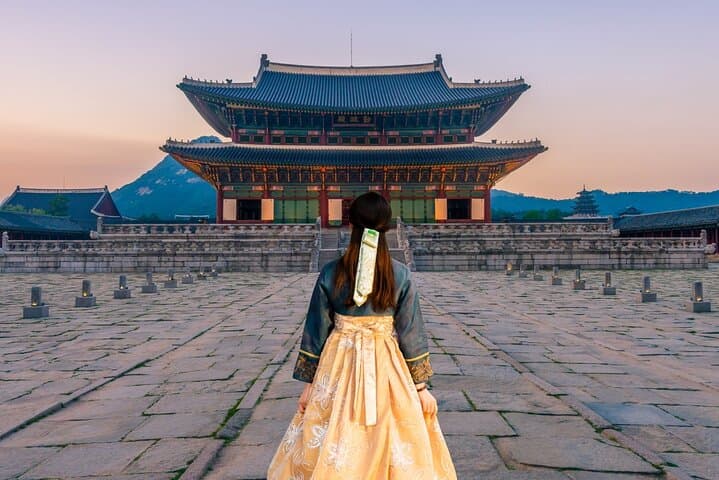
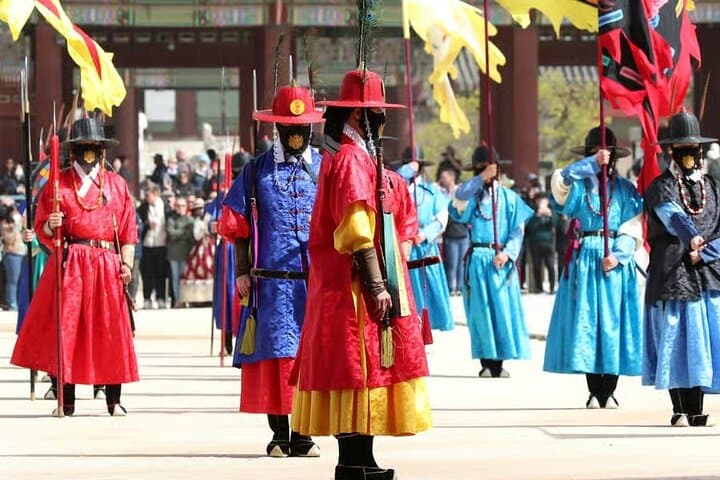
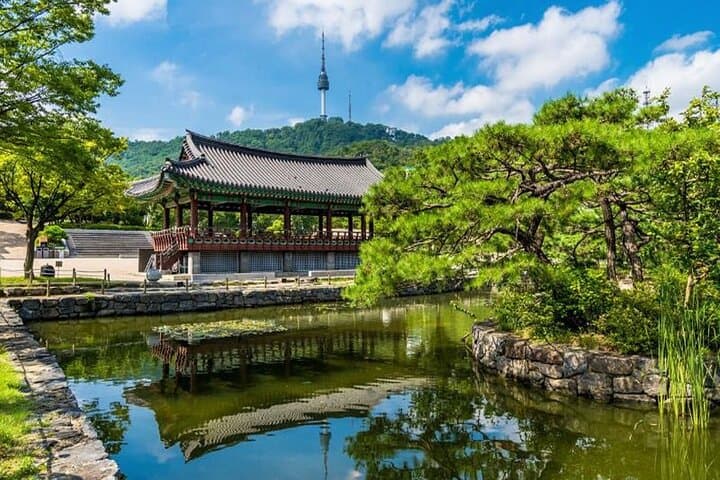
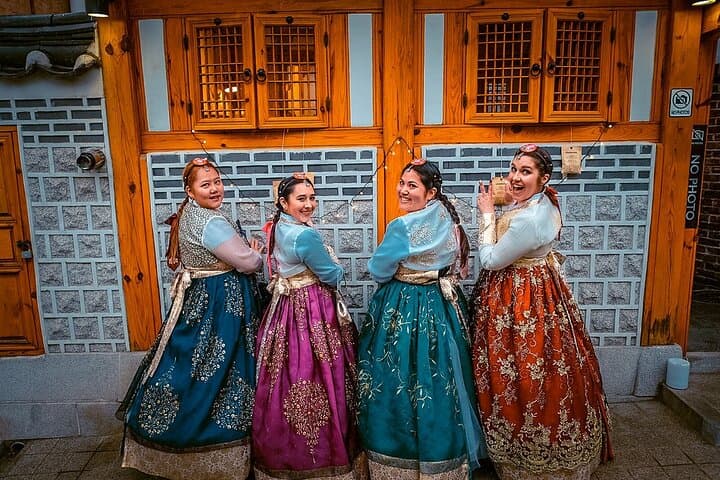
You arrive under the palace gates as color and structure meet the sky—ceremonial guards in bright hanbok move with practiced rhythm, and tiles and timber throw sharp shadows across the courtyard. The walk continues through alleys where hanok roofs tilt like pages in a history book, then climbs the Bugak Skyway to a pavilion that lays the city out below like a living map.
Verified experiences and guided adventures in the surrounding area.
Operated by TrevoTour Travels · Seoul, Seoul
You arrive under the palace gates as color and structure meet the sky—ceremonial guards in bright hanbok move with practiced rhythm, and tiles and timber throw sharp shadows across the courtyard. The walk continues through alleys where hanok roofs tilt like pages in a history book, then climbs the Bugak Skyway to a pavilion that lays the city out below like a living map.
This route threads together Joseon-era sights and contemporary Seoul. Gyeongbokgung, first completed in 1395, shows royal planning and Confucian court order in stone and wood; Bukchon preserves hundreds of traditional hanok houses that reveal domestic architecture and neighborhood life; Bugak Palgakjeong sits on a forested ridge offering geological relief from the Han River plain and sweeping city sightlines. A stop at the Ginseng Museum adds botanical and medicinal context—ginseng’s cultivation and cultural value have shaped local trade and wellness practices for centuries.
Practical guidance: expect mostly paved paths, short stair sections, and modest uphill walking on the Skyway. The full itinerary runs about 3–4 hours and includes brief indoor museum time and outdoor viewpoints—pack a light jacket for breezy ridge air and a water bottle for summer heat. Bring small change for market snacks, and follow local etiquette in hanok neighborhoods: keep noise low and respect private property. Morning departures are best for fewer crowds at the palace and clearer views from Bugak. This is an accessible, low-impact urban walk that balances history, cityscapes, and flavors of Seoul.
easy.
3–4 hours.
Suitable for most fitness levels; requires standing, walking on paved surfaces, and brief uphill sections.
The tour runs approximately 3–4 hours (180–240 minutes), including transport time between sites.
Yes—physical demands are light. The route uses paved surfaces and short stair sections; inform the operator of mobility needs when booking.
Yes; the itinerary lists admission to attractions and round-trip transfers as included in the booking.
The guide provides commentary in English; check availability of other languages when booking.
Gyeongbokgung was built in 1395 as the main palace of the Joseon Dynasty; hanok architecture in Bukchon reflects centuries of domestic design and Confucian spatial values.
Respect hanok neighborhoods by staying on public paths and avoiding litter; support local vendors and small museums to help preserve cultural sites.
TrevoTour Travels operates guided outdoor trips and adventures with an emphasis on safety, stewardship, and memorable experiences.
You arrive under the palace gates as color and structure meet the sky—ceremonial guards in bright hanbok move with practiced rhythm, and tiles and timber throw sharp shadows across the courtyard. The walk continues through alleys where hanok roofs tilt like pages in a history book, then climbs the Bugak Skyway to a pavilion that lays the city out below like a living map.
You arrive under the palace gates as color and structure meet the sky—ceremonial guards in bright hanbok move with practiced rhythm, and tiles and timber throw sharp shadows across the courtyard. The walk continues through alleys where hanok roofs tilt like pages in a history book, then climbs the Bugak Skyway to a pavilion that lays the city out below like a living map.
This route threads together Joseon-era sights and contemporary Seoul. Gyeongbokgung, first completed in 1395, shows royal planning and Confucian court order in stone and wood; Bukchon preserves hundreds of traditional hanok houses that reveal domestic architecture and neighborhood life; Bugak Palgakjeong sits on a forested ridge offering geological relief from the Han River plain and sweeping city sightlines. A stop at the Ginseng Museum adds botanical and medicinal context—ginseng’s cultivation and cultural value have shaped local trade and wellness practices for centuries.
Practical guidance: expect mostly paved paths, short stair sections, and modest uphill walking on the Skyway. The full itinerary runs about 3–4 hours and includes brief indoor museum time and outdoor viewpoints—pack a light jacket for breezy ridge air and a water bottle for summer heat. Bring small change for market snacks, and follow local etiquette in hanok neighborhoods: keep noise low and respect private property. Morning departures are best for fewer crowds at the palace and clearer views from Bugak. This is an accessible, low-impact urban walk that balances history, cityscapes, and flavors of Seoul.