THE ADVENTURE COLLECTIVE® · Independent discovery and booking for outdoor travel

Put on a hanbok, learn Korea’s understated tea ceremony, and make your own kimchi in this hands-on Seoul workshop. In roughly two hours you’ll gain practical skills, historical context, and a taste of living Korean traditions.
Put on a hanbok, learn Korea’s understated tea ceremony, and make your own kimchi in this hands-on Seoul workshop. In roughly two hours you’ll gain practical skills, historical context, and a taste of living Korean traditions.
A low table, a steam-warmed bowl, and the bright crunch of napa cabbage set the scene: this compact Seoul experience places you at the center of everyday Korean rituals. In a softly lit classroom near the city’s cultural quarters you’ll don a hanbok, learn the precise placement of cups and pots in a Korean tea ceremony, and get hands-on with the salt, chili, and fermentation steps that make kimchi tangy and long-lived.
Verified experiences and guided adventures in the surrounding area.
Operated by SEOUL CITY TOUR CO. LTD. · Seoul, Seoul
A low table, a steam-warmed bowl, and the bright crunch of napa cabbage set the scene: this compact Seoul experience places you at the center of everyday Korean rituals. In a softly lit classroom near the city’s cultural quarters you’ll don a hanbok, learn the precise placement of cups and pots in a Korean tea ceremony, and get hands-on with the salt, chili, and fermentation steps that make kimchi tangy and long-lived.
The practices you encounter have roots in Joseon-era court etiquette and centuries of home-preserving techniques. Hanbok silhouettes reflect social status and seasonal fabrics; tea service emphasizes posture and shared respect rather than ceremony for ceremony’s sake; kimchi developed as a practical, nutritious staple for long winters and remains central to Korean meals.
Expect a small-group pace: about two hours of instruction, tasting, and photo moments, followed by a brief duty-free stop before hotel drop-off. The host provides ingredients, instruction, and an air-conditioned vehicle for hotel pickup within central Seoul. This class is accessible to beginners and families, though workshops often require a minimum group size.
Practical notes: wear comfortable layers under the hanbok and avoid strong perfumes; bring a small bag for your homemade kimchi or ask how to store it. Tip culturally: modesty and bowing are appreciated; tipping is not expected. The experience is as much about the tactile learning—kneading, seasoning, pouring—as it is about context: how food, fabric, and manners keep social ties in motion across modern Seoul.
easy.
2–3 hours.
Suitable for all fitness levels; ability to stand, sit on low cushions, and perform light food preparation is helpful
Yes, bookings typically require a minimum of four participants to run the shared tour.
Children are welcome; the tour notes stroller accessibility and that infants must sit on laps.
Hotel pickup and drop-off within central Seoul are included as described in the tour inclusions.
Yes—admission includes the kimchi-making session; bring a container or ask staff about provided packaging and refrigeration guidance.
Hanbok styles and tea etiquette evolved through the Joseon period; kimchi originated as a long-term preservation method essential for Korea’s agrarian seasons.
Choose tours that minimize single-use plastics, support local artisans, and encourage taking only what you need to reduce food waste.
SEOUL CITY TOUR CO. LTD. operates guided outdoor trips and adventures with an emphasis on safety, stewardship, and memorable experiences.
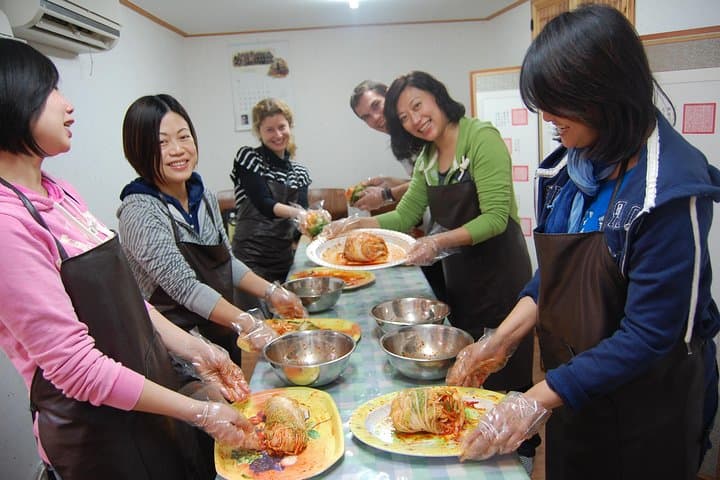
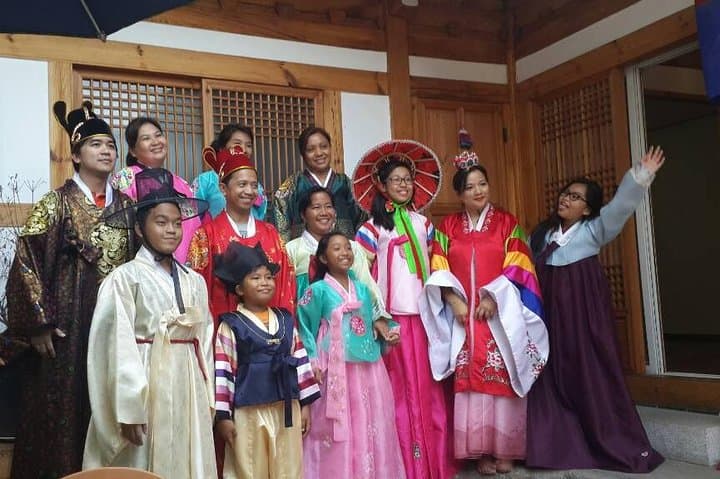
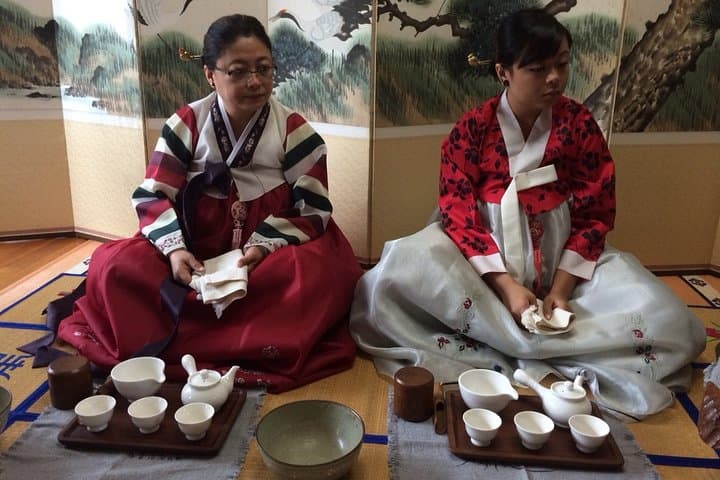
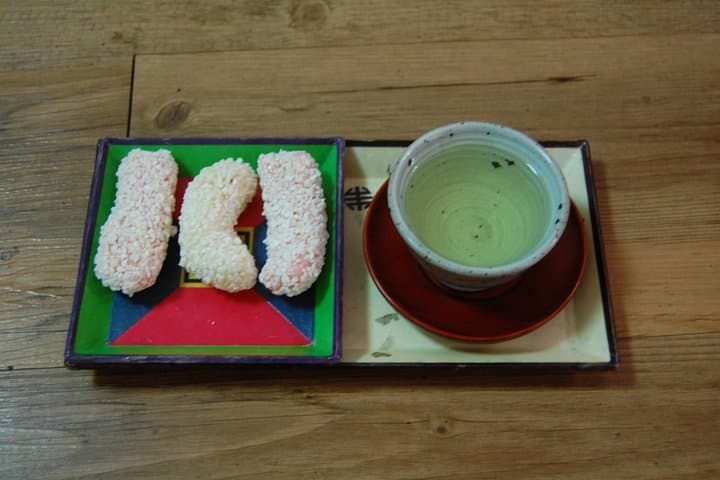
A low table, a steam-warmed bowl, and the bright crunch of napa cabbage set the scene: this compact Seoul experience places you at the center of everyday Korean rituals. In a softly lit classroom near the city’s cultural quarters you’ll don a hanbok, learn the precise placement of cups and pots in a Korean tea ceremony, and get hands-on with the salt, chili, and fermentation steps that make kimchi tangy and long-lived.
A low table, a steam-warmed bowl, and the bright crunch of napa cabbage set the scene: this compact Seoul experience places you at the center of everyday Korean rituals. In a softly lit classroom near the city’s cultural quarters you’ll don a hanbok, learn the precise placement of cups and pots in a Korean tea ceremony, and get hands-on with the salt, chili, and fermentation steps that make kimchi tangy and long-lived.
The practices you encounter have roots in Joseon-era court etiquette and centuries of home-preserving techniques. Hanbok silhouettes reflect social status and seasonal fabrics; tea service emphasizes posture and shared respect rather than ceremony for ceremony’s sake; kimchi developed as a practical, nutritious staple for long winters and remains central to Korean meals.
Expect a small-group pace: about two hours of instruction, tasting, and photo moments, followed by a brief duty-free stop before hotel drop-off. The host provides ingredients, instruction, and an air-conditioned vehicle for hotel pickup within central Seoul. This class is accessible to beginners and families, though workshops often require a minimum group size.
Practical notes: wear comfortable layers under the hanbok and avoid strong perfumes; bring a small bag for your homemade kimchi or ask how to store it. Tip culturally: modesty and bowing are appreciated; tipping is not expected. The experience is as much about the tactile learning—kneading, seasoning, pouring—as it is about context: how food, fabric, and manners keep social ties in motion across modern Seoul.