THE ADVENTURE COLLECTIVE® · Independent discovery and booking for outdoor travel

Learn to make four styles of kimchi, cook a kimchi-based dish, and sample sommelier-selected wines in a two-hour small-group class in central Seoul. Ideal for curious food travelers who want hands-on learning with cultural context.
Learn to make four styles of kimchi, cook a kimchi-based dish, and sample sommelier-selected wines in a two-hour small-group class in central Seoul. Ideal for curious food travelers who want hands-on learning with cultural context.
Step into a compact cooking studio on a narrow Seoul lane and the city sharpens: pancake sizzles, jars murmur, and the tang of napa cabbage promises more than dinner.
Verified experiences and guided adventures in the surrounding area.
Operated by SEOUL PASS · Seoul, Seoul
Step into a compact cooking studio on a narrow Seoul lane and the city sharpens: pancake sizzles, jars murmur, and the tang of napa cabbage promises more than dinner.
This two-hour, small-group class opens with a guided tasting of four kimchi styles — napa cabbage, baek (white) kimchi, radish kimchi, and ripened kimchi — while a former wine-bar owner and sommelier explains how acidity, spice, and lactic fermentation play against carefully chosen wines. The practical history of kimchi is plain: a preserved staple born from seasonal necessity that evolved into complex household recipes across Korea. Geology and climate matter here — Korea’s cold winters drove fermentation techniques that let vegetables last through frozen months, producing the sour backbone you taste today.
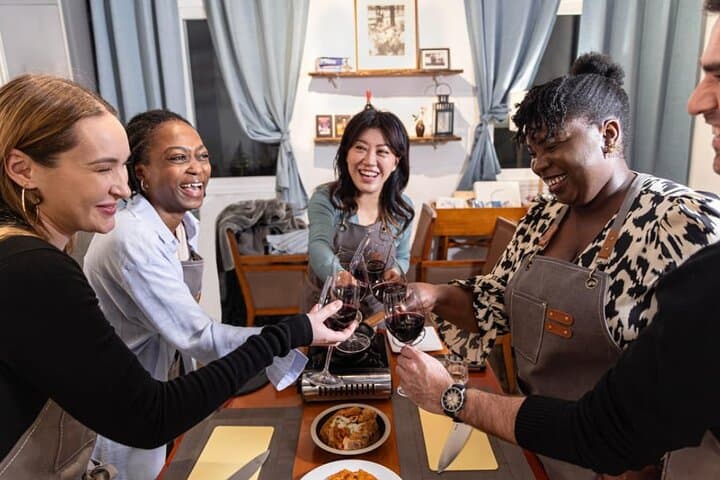
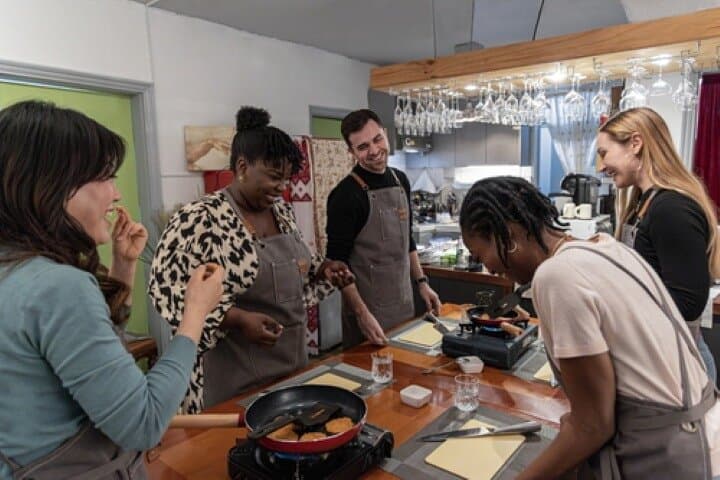
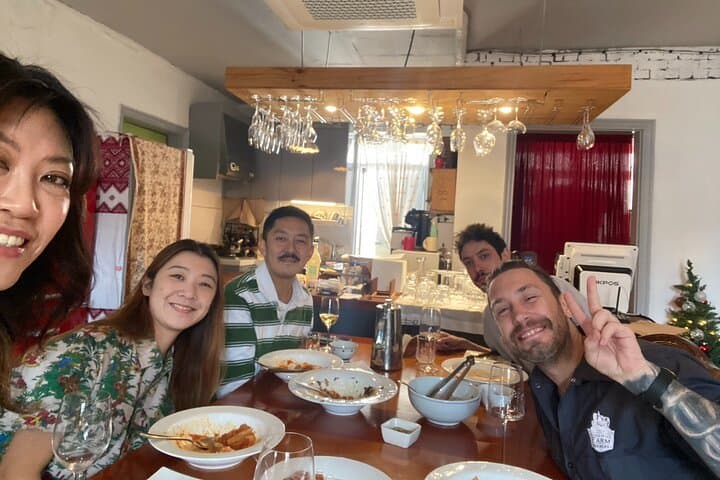
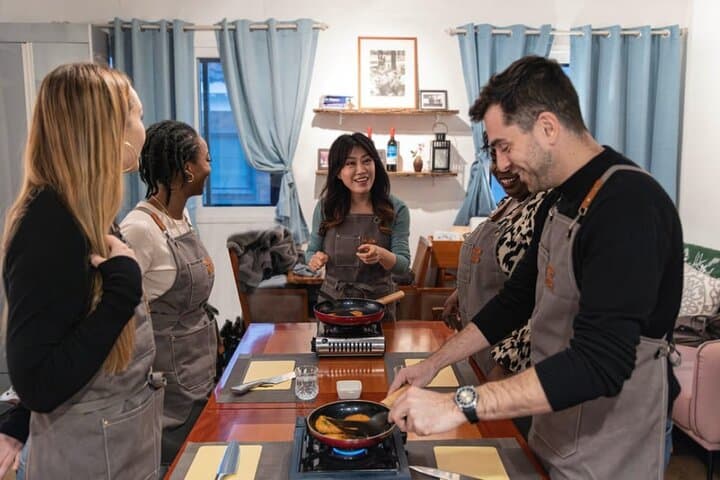
Culturally, kimchi is both everyday sustenance and social practice: family jars passed down, market stalls trading the season’s best produce, and regional twists on a simple method. Expect hands-on time making a single dish — choices include kimchi pancakes, baek kimchi noodles, or radish-and-bacon fried rice — while the host serves pre-made ripened kimchi and braised pork belly to round the meal.
Practical notes: arrive five minutes early, bring valid ID (18+ only), and flag food allergies when you book. The class runs weekdays and weekends with sessions at mid-day and early evening, capped at six participants — a focused setting that favors curiosity over experience. Public transit access is convenient; wear clothes you can move in and come ready to taste and share.
easy.
2 hours.
Minimal physical exertion; standing and light food prep for 60–90 minutes is required
No; the session is designed for beginners and focuses on tasting and a single hands-on dish with guided instruction.
No; this particular class requires all participants to be 18 or older because wine is served.
All sales are final—refunds are not available, so confirm your plans before booking.
Inform the operator when booking; they can often modify dishes or provide alternatives, but disclose restrictions early.
Kimchi’s roots stretch back over a thousand years as a preservation method refined through Korea’s seasonal climate; regional varieties reflect local produce and taste preferences.
Small urban classes reduce food waste by sharing prepared portions and using locally sourced produce when possible; bring minimal disposables to lower impact.
SEOUL PASS operates guided outdoor trips and adventures with an emphasis on safety, stewardship, and memorable experiences.
Step into a compact cooking studio on a narrow Seoul lane and the city sharpens: pancake sizzles, jars murmur, and the tang of napa cabbage promises more than dinner.
Step into a compact cooking studio on a narrow Seoul lane and the city sharpens: pancake sizzles, jars murmur, and the tang of napa cabbage promises more than dinner.
This two-hour, small-group class opens with a guided tasting of four kimchi styles — napa cabbage, baek (white) kimchi, radish kimchi, and ripened kimchi — while a former wine-bar owner and sommelier explains how acidity, spice, and lactic fermentation play against carefully chosen wines. The practical history of kimchi is plain: a preserved staple born from seasonal necessity that evolved into complex household recipes across Korea. Geology and climate matter here — Korea’s cold winters drove fermentation techniques that let vegetables last through frozen months, producing the sour backbone you taste today.
Culturally, kimchi is both everyday sustenance and social practice: family jars passed down, market stalls trading the season’s best produce, and regional twists on a simple method. Expect hands-on time making a single dish — choices include kimchi pancakes, baek kimchi noodles, or radish-and-bacon fried rice — while the host serves pre-made ripened kimchi and braised pork belly to round the meal.
Practical notes: arrive five minutes early, bring valid ID (18+ only), and flag food allergies when you book. The class runs weekdays and weekends with sessions at mid-day and early evening, capped at six participants — a focused setting that favors curiosity over experience. Public transit access is convenient; wear clothes you can move in and come ready to taste and share.