THE ADVENTURE COLLECTIVE® · Independent discovery and booking for outdoor travel

Step into Joseon-era Seoul wearing a hanbok and walk the courts of Gyeongbokgung, then thread quiet hanok lanes in Bukchon. This guided, 4‑hour cultural walk mixes history, photo stops, and local snacks—no shopping detours.
Step into Joseon-era Seoul wearing a hanbok and walk the courts of Gyeongbokgung, then thread quiet hanok lanes in Bukchon. This guided, 4‑hour cultural walk mixes history, photo stops, and local snacks—no shopping detours.
Morning light slants across the tiled roofs as you fasten a hanbok sash and step beneath the palace gate. Gyeongbokgung’s timber frames seem to hold the hush of centuries; the guard’s crisp march cuts through that hush and the crowd leans in. From the palace courts to narrow hanok lanes in Bukchon, the city shifts around you—historic forms against a skyline of glass.
Verified experiences and guided adventures in the surrounding area.
Operated by TRIPPER KOREA · Seoul, Seoul
Morning light slants across the tiled roofs as you fasten a hanbok sash and step beneath the palace gate. Gyeongbokgung’s timber frames seem to hold the hush of centuries; the guard’s crisp march cuts through that hush and the crowd leans in. From the palace courts to narrow hanok lanes in Bukchon, the city shifts around you—historic forms against a skyline of glass.
This half-day walking tour traces core chapters of Seoul’s past: Gyeongbokgung, built in 1395 under the Joseon Dynasty, the preserved hanok in Bukchon, and Baek In-je House—an early 20th-century hanok that shows how tradition met modernity. The geology of the basin is plain: low ridges and the Han River shaped settlement patterns; culturally, the route highlights Confucian court life, changing-guard ritual, and contemporary Seoul’s reverence for its architectural past.
Expect 3–4 hours of moderate walking on paved palace grounds and narrow pedestrian alleys. A guide narrates history, pauses for photos, and offers a hanbok rental option to deepen the experience. Local snacks refuel you between stops; professional photo help captures the hanbok look.
Practical notes: bring comfortable walking shoes, a portable charger and a light layer for variable weather. The operator uses WhatsApp for pre-trip details—confirm contact info. The tour runs in rain or snow unless conditions make movement unsafe; check cancellation rules if severe weather threatens. Move considerately through village lanes, follow your guide’s instructions during ceremonies, and leave time afterward to explore nearby cafés or Gwanghwamun Square if you want to linger.
moderate.
4 hours.
Moderate fitness: comfortable walking for 3–4 hours with short standing periods; light mobility issues may be challenging in narrow alleys.
No; the tour includes a professional English-speaking guide who provides commentary and directions in English.
You may wear your own hanbok if you prefer, but the operator offers premium hanbok rentals to simplify sizing and styling for photos.
The tour operates in rain or light snow; only severe weather that makes movement unsafe will prompt cancellation—check the 24‑hour cancellation policy for refunds.
The route includes palace steps and narrow alleys that can be difficult for mobility aids; contact the operator ahead to discuss accommodations.
Gyeongbokgung was first constructed in 1395 as the main palace of the Joseon Dynasty; Bukchon Hanok Village preserves residential wooden hanok that document urban life across centuries.
Bukchon and palace sites limit alterations to protect historic fabric—stick to designated paths, avoid loud groups in residential lanes, and carry out waste to minimize visitor impact.
TRIPPER KOREA operates guided outdoor trips and adventures with an emphasis on safety, stewardship, and memorable experiences.
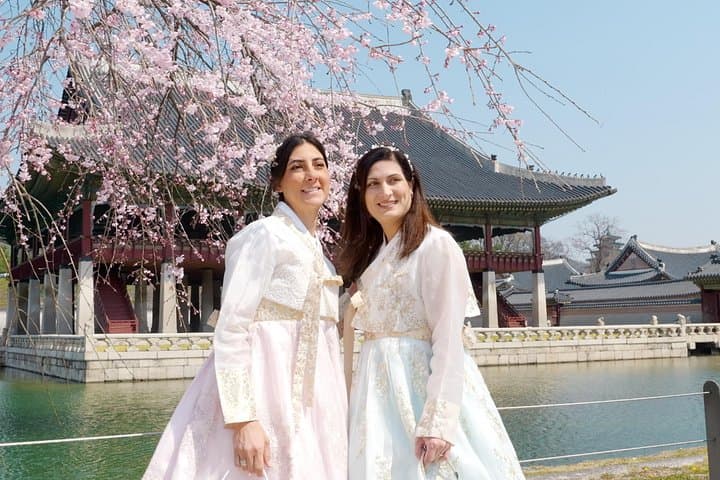
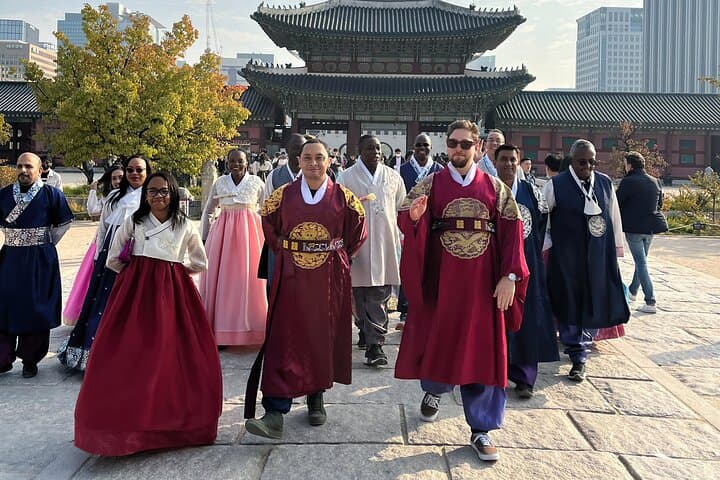
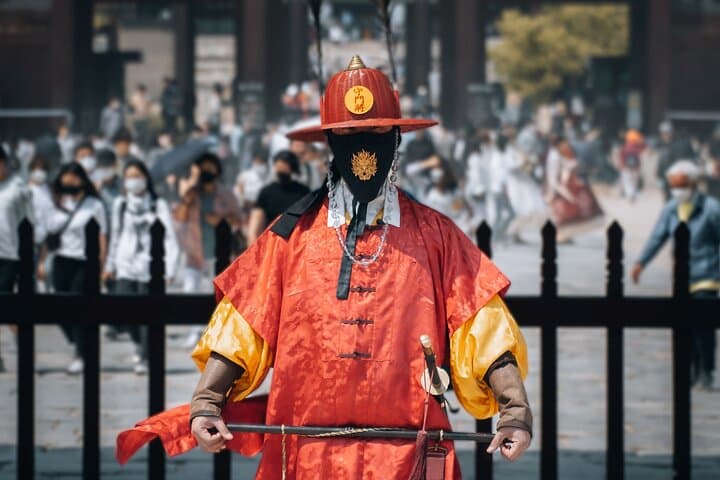
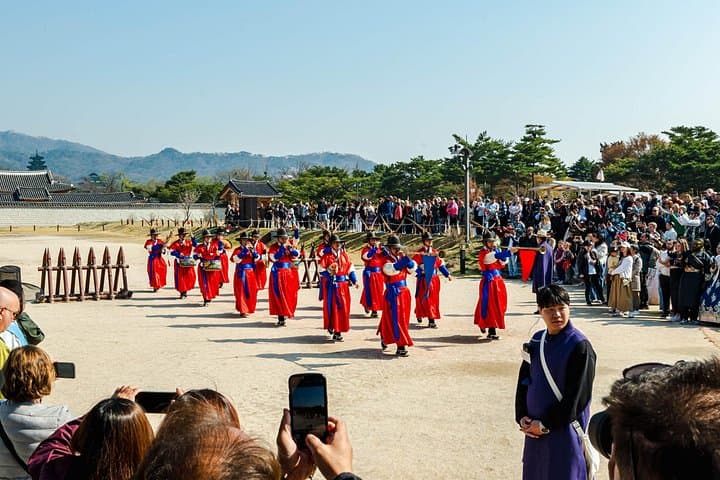
Morning light slants across the tiled roofs as you fasten a hanbok sash and step beneath the palace gate. Gyeongbokgung’s timber frames seem to hold the hush of centuries; the guard’s crisp march cuts through that hush and the crowd leans in. From the palace courts to narrow hanok lanes in Bukchon, the city shifts around you—historic forms against a skyline of glass.
Morning light slants across the tiled roofs as you fasten a hanbok sash and step beneath the palace gate. Gyeongbokgung’s timber frames seem to hold the hush of centuries; the guard’s crisp march cuts through that hush and the crowd leans in. From the palace courts to narrow hanok lanes in Bukchon, the city shifts around you—historic forms against a skyline of glass.
This half-day walking tour traces core chapters of Seoul’s past: Gyeongbokgung, built in 1395 under the Joseon Dynasty, the preserved hanok in Bukchon, and Baek In-je House—an early 20th-century hanok that shows how tradition met modernity. The geology of the basin is plain: low ridges and the Han River shaped settlement patterns; culturally, the route highlights Confucian court life, changing-guard ritual, and contemporary Seoul’s reverence for its architectural past.
Expect 3–4 hours of moderate walking on paved palace grounds and narrow pedestrian alleys. A guide narrates history, pauses for photos, and offers a hanbok rental option to deepen the experience. Local snacks refuel you between stops; professional photo help captures the hanbok look.
Practical notes: bring comfortable walking shoes, a portable charger and a light layer for variable weather. The operator uses WhatsApp for pre-trip details—confirm contact info. The tour runs in rain or snow unless conditions make movement unsafe; check cancellation rules if severe weather threatens. Move considerately through village lanes, follow your guide’s instructions during ceremonies, and leave time afterward to explore nearby cafés or Gwanghwamun Square if you want to linger.