THE ADVENTURE COLLECTIVE® · Independent discovery and booking for outdoor travel

Walk narrow alleys with a local guide, sampling grilled skewers, noodle bowls, and rice wine in tiny, family-run spots. This five-hour Seoul walking tour focuses on drinking and eating where locals go—hidden gems off the beaten path.
Walk narrow alleys with a local guide, sampling grilled skewers, noodle bowls, and rice wine in tiny, family-run spots. This five-hour Seoul walking tour focuses on drinking and eating where locals go—hidden gems off the beaten path.
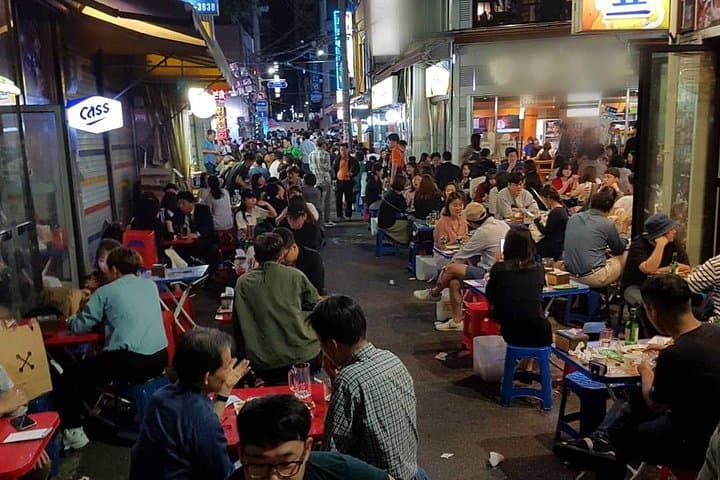
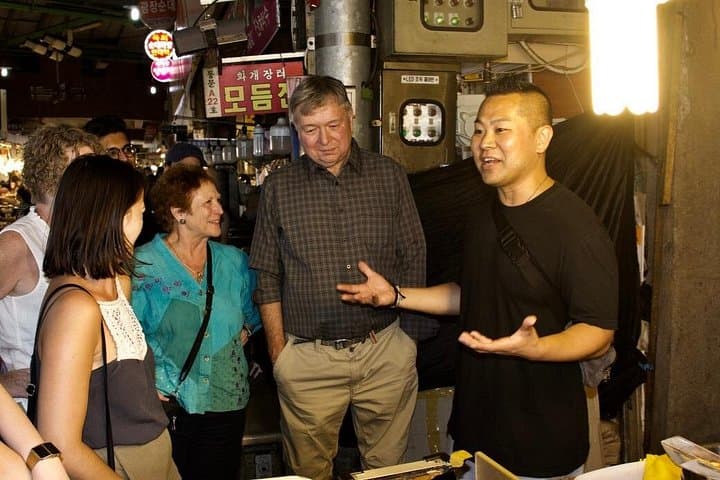
A narrow lane opens onto steam rising from a street vendor's grill and the clatter of bowls; the group drifts between low eaves and neon signs, led by a guide who knows which doors hide the best soju and which stalls still make bindaetteok by hand.
Verified experiences and guided adventures in the surrounding area.
Operated by itseoulgood · Seoul, Seoul
A narrow lane opens onto steam rising from a street vendor's grill and the clatter of bowls; the group drifts between low eaves and neon signs, led by a guide who knows which doors hide the best soju and which stalls still make bindaetteok by hand.
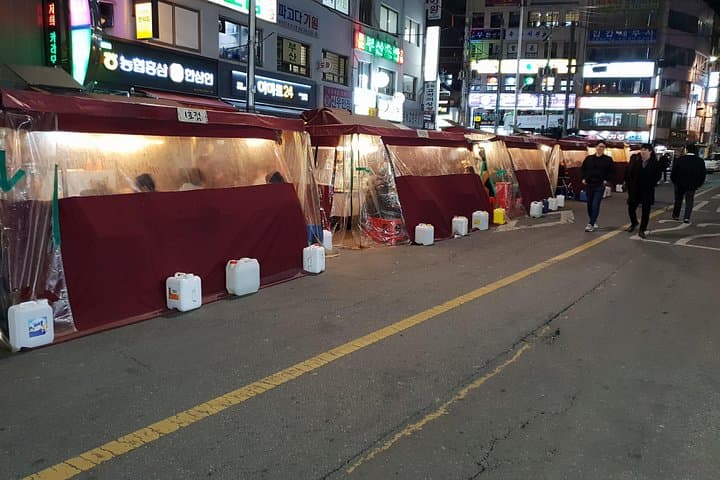
Seoul’s alleys—especially around older districts like Jongno and Ikseon-dong—hold layers of history: hanok houses from the Joseon era, post-war market streets, and the Han River’s alluvial plain framed by low granite hills. Food culture here is civic and communal: markets evolved as trade hubs, and pojangmacha (street carts) and tiny bars grew from working-class demand for quick, bold flavors and affordable drinks like makgeolli and soju.
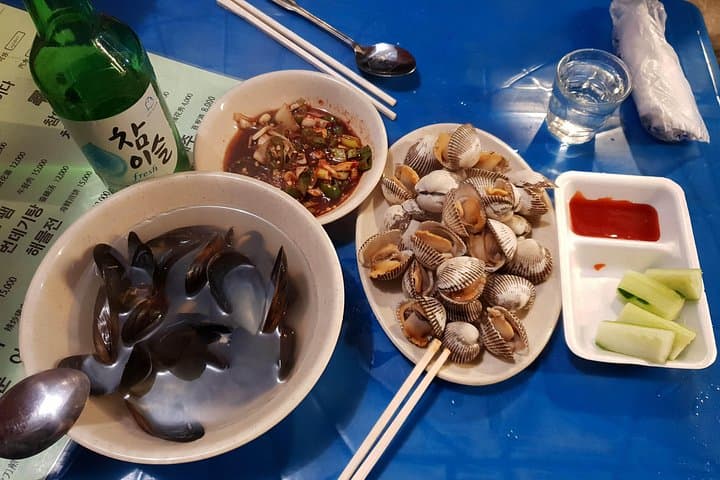
On this five-hour walking tasting tour, expect tight, step-strewn alleys, counter seats at family-run eateries, and a sequence of high-flavor stops—from grilled skewers and noodle soups to rice-wine tastings. The experience is more about discovery than luxury: it favors local, modest venues over polished restaurants, and it moves at the pace of shared plates and small pours.
Practically, arrive hungry and ready to walk and stand for hours. Cash helps at smaller stalls, though cards work at some stops. Wear comfortable shoes for cobbled or uneven surfaces, and time the tour for early evening when vendors are busiest and the alleys glow. The tour isn’t suitable for young children and has limited vegetarian options—contact the operator beforehand for dietary needs.
This is a sensory walk through Seoul’s living food history: loud, fragrant, slightly chaotic, and irresistibly social.
easy.
5 hours.
Basic walking fitness; participants should be comfortable standing and walking for multiple short sections over several hours.
No—food and drinks are paid on-site and split among participants; the guide selects stops and may buy a round at the final venue.
This tour has limited non-meat options; contact the operator before booking to discuss specific dietary needs.
No—the operator specifies the tour is not for kids due to alcohol-focused stops and narrow, crowded alleys.
Meeting is typically in a central Seoul neighborhood accessible by subway; the exact meeting point is provided on booking—public transport is recommended.
Many alleys grew from Jongno’s historical role as Seoul’s commercial spine; hanok clusters and markets trace back centuries and adapted through rapid 20th-century urbanization.
Support small, local vendors to keep traditional foodways viable; minimize single-use waste by declining disposable utensils and bringing a water bottle.
itseoulgood operates guided outdoor trips and adventures with an emphasis on safety, stewardship, and memorable experiences.
A narrow lane opens onto steam rising from a street vendor's grill and the clatter of bowls; the group drifts between low eaves and neon signs, led by a guide who knows which doors hide the best soju and which stalls still make bindaetteok by hand.
A narrow lane opens onto steam rising from a street vendor's grill and the clatter of bowls; the group drifts between low eaves and neon signs, led by a guide who knows which doors hide the best soju and which stalls still make bindaetteok by hand.
Seoul’s alleys—especially around older districts like Jongno and Ikseon-dong—hold layers of history: hanok houses from the Joseon era, post-war market streets, and the Han River’s alluvial plain framed by low granite hills. Food culture here is civic and communal: markets evolved as trade hubs, and pojangmacha (street carts) and tiny bars grew from working-class demand for quick, bold flavors and affordable drinks like makgeolli and soju.
On this five-hour walking tasting tour, expect tight, step-strewn alleys, counter seats at family-run eateries, and a sequence of high-flavor stops—from grilled skewers and noodle soups to rice-wine tastings. The experience is more about discovery than luxury: it favors local, modest venues over polished restaurants, and it moves at the pace of shared plates and small pours.
Practically, arrive hungry and ready to walk and stand for hours. Cash helps at smaller stalls, though cards work at some stops. Wear comfortable shoes for cobbled or uneven surfaces, and time the tour for early evening when vendors are busiest and the alleys glow. The tour isn’t suitable for young children and has limited vegetarian options—contact the operator beforehand for dietary needs.
This is a sensory walk through Seoul’s living food history: loud, fragrant, slightly chaotic, and irresistibly social.