THE ADVENTURE COLLECTIVE® · Independent discovery and booking for outdoor travel

Walk Seoul's shadowed alleys on an evening tour that pairs Joseon-era history with modern urban folklore. Expect 2–3 hours of guided storytelling, archival sites, and a digital map of the city's darker corners.
Walk Seoul's shadowed alleys on an evening tour that pairs Joseon-era history with modern urban folklore. Expect 2–3 hours of guided storytelling, archival sites, and a digital map of the city's darker corners.
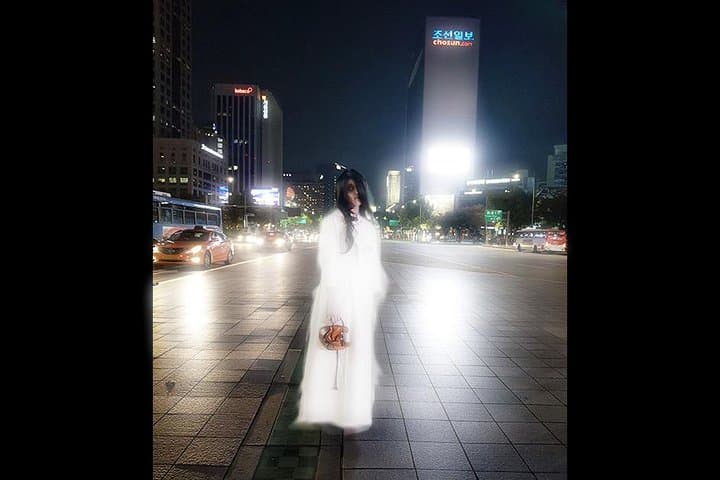
The lamps along Insadong gutter into pools of yellow as your group slides off the main street and into a narrower world of alleys, low eaves, and a city that keeps its darker stories close to the stone. On an evening walking tour through Anguk and Seodaemun neighborhoods, guides weave forensic history with folklore—pointing out sites of political repression, violent incidents from the Joseon era, and the urban corners where rumor and grief linger.
Verified experiences and guided adventures in the surrounding area.
Operated by ZenKimchi Experiences · Seoul, Seoul
The lamps along Insadong gutter into pools of yellow as your group slides off the main street and into a narrower world of alleys, low eaves, and a city that keeps its darker stories close to the stone. On an evening walking tour through Anguk and Seodaemun neighborhoods, guides weave forensic history with folklore—pointing out sites of political repression, violent incidents from the Joseon era, and the urban corners where rumor and grief linger.
Seoul was the capital of the Joseon dynasty for six centuries; the traces of that governance—market lanes, judicial spaces, prison sites—still shape the city grid. You’ll pass hanok-lined alleys, fragments of the old Seoul City Wall, and the shadow of Seodaemun Prison’s history of colonial-era incarceration. Geology is secondary here—this is a walk across manmade layers of stone and brick rather than raw terrain—but the topography of slopes and narrow courtyards gives the tour a theatrical cadence.
Expect a mix of storytelling styles: archival facts, oral lore, and a guide-led map of “haunts” and former torture chambers. The guide provides context for each stop and a digital map to explore afterward.
Practical notes: tours run 2–3 hours, involve moderate walking on paved streets, and are rated PG-13 for adult themes; minimum age is 18 without a guardian. Start points vary by day—Anguk Station (Exit 2) and Seodaemun Station (Exit 4) are the best bet for punctual arrival. Wear comfortable shoes, bring a charged phone for the map, and plan to walk at an unhurried but steady pace. If you prefer daylight history over eerie narratives, daytime cultural walks are a better fit.
easy.
2–3 hours.
Suitable for most people who can stand and walk on paved surfaces for up to three hours with brief stops.
The tour runs about 2–3 hours, depending on the route and whether the extended edition is operating that day.
Minimum age is 18 without a guardian; content includes stories of violence and sexual themes and is recommended for adults.
Yes—meeting points and routes are wheelchair and stroller accessible, but check with the operator about specific mobility needs for certain alley sections.
Guides typically operate in Korean and English on different departures; check the booking page for the language of your chosen date.
Seoul was the seat of the Joseon dynasty for roughly 600 years; many modern streets overlay judicial and administrative sites tied to that history and to 20th-century colonial repression like Seodaemun Prison.
Tours encourage low-impact behavior—avoid loud disturbances, take trash with you, and respect private property when pausing in narrow residential alleys.
ZenKimchi Experiences operates guided outdoor trips and adventures with an emphasis on safety, stewardship, and memorable experiences.
The lamps along Insadong gutter into pools of yellow as your group slides off the main street and into a narrower world of alleys, low eaves, and a city that keeps its darker stories close to the stone. On an evening walking tour through Anguk and Seodaemun neighborhoods, guides weave forensic history with folklore—pointing out sites of political repression, violent incidents from the Joseon era, and the urban corners where rumor and grief linger.
The lamps along Insadong gutter into pools of yellow as your group slides off the main street and into a narrower world of alleys, low eaves, and a city that keeps its darker stories close to the stone. On an evening walking tour through Anguk and Seodaemun neighborhoods, guides weave forensic history with folklore—pointing out sites of political repression, violent incidents from the Joseon era, and the urban corners where rumor and grief linger.
Seoul was the capital of the Joseon dynasty for six centuries; the traces of that governance—market lanes, judicial spaces, prison sites—still shape the city grid. You’ll pass hanok-lined alleys, fragments of the old Seoul City Wall, and the shadow of Seodaemun Prison’s history of colonial-era incarceration. Geology is secondary here—this is a walk across manmade layers of stone and brick rather than raw terrain—but the topography of slopes and narrow courtyards gives the tour a theatrical cadence.
Expect a mix of storytelling styles: archival facts, oral lore, and a guide-led map of “haunts” and former torture chambers. The guide provides context for each stop and a digital map to explore afterward.
Practical notes: tours run 2–3 hours, involve moderate walking on paved streets, and are rated PG-13 for adult themes; minimum age is 18 without a guardian. Start points vary by day—Anguk Station (Exit 2) and Seodaemun Station (Exit 4) are the best bet for punctual arrival. Wear comfortable shoes, bring a charged phone for the map, and plan to walk at an unhurried but steady pace. If you prefer daylight history over eerie narratives, daytime cultural walks are a better fit.