THE ADVENTURE COLLECTIVE® · Independent discovery and booking for outdoor travel

Spend a full day from Sokcho exploring Seoraksan’s rocky ridges and the sobering exhibits at the Goseong DMZ museum. This guided loop balances accessible hikes—cable car and falls routes—with focused historical context at the border observatory.
Spend a full day from Sokcho exploring Seoraksan’s rocky ridges and the sobering exhibits at the Goseong DMZ museum. This guided loop balances accessible hikes—cable car and falls routes—with focused historical context at the border observatory.
You step off the coastal road in Sokcho and the world tightens into granite and pine: jagged ridgelines of Seoraksan press up against a pale sky while the sea murmurs back toward the road. The bus eases into the park and you can feel the mountain’s mood change—wind testing the pines, water pulling at the valley. On this one-day loop you split your time between the raw, rocky slopes of Seoraksan and the sober, close-up history of the DMZ at Goseong.
Verified experiences and guided adventures in the surrounding area.
Operated by TONY'S EASTERN DMZ TOUR · Sokcho, Gangwon-do
You step off the coastal road in Sokcho and the world tightens into granite and pine: jagged ridgelines of Seoraksan press up against a pale sky while the sea murmurs back toward the road. The bus eases into the park and you can feel the mountain’s mood change—wind testing the pines, water pulling at the valley. On this one-day loop you split your time between the raw, rocky slopes of Seoraksan and the sober, close-up history of the DMZ at Goseong.
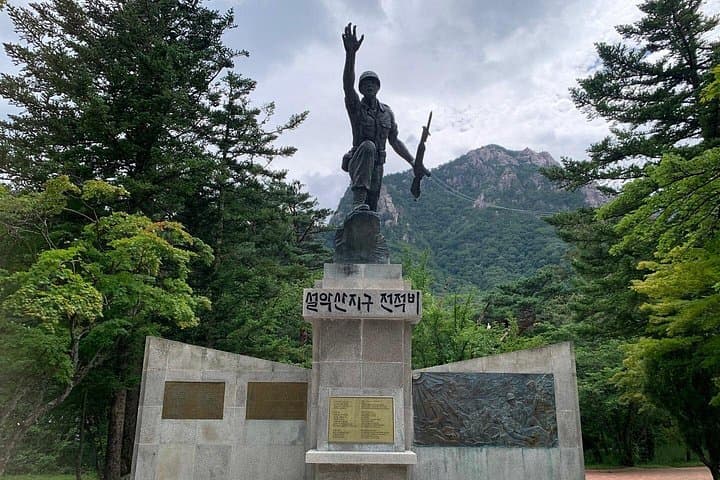
Seoraksan is a product of tectonic uplift and glacial carving; its steep granite faces and boulder fields expose ancient rock and deep valley shoulders. The DMZ and its museums frame modern Korean history—the 1950s conflict that divided the peninsula and the complex diplomacy that followed. Culturally, Sokcho blends coastal fishing-town life with mountain pilgrimage: you’ll pass temple steps, market stalls selling squid dishes, and villages where remnant wartime stories are still voiced.
Practically, the tour gives 3–4 hours in the park—options include the cable car to Gwongeumseong Fortress, an easy walk to Biseondae and Biryong Falls, or a tougher approach toward Ulsanbawi. The DMZ museum visit is guided and requires ID; exhibits are compact but dense. Expect mixed terrain: paved sections, dirt trails, and granite steps. Bring layered clothing for quick winds and sun protection for exposed ridgelines. Timed departures and group pickup are standard; if the museum is closed (Mondays), the itinerary pivots to Abai Village. Plan for a full 7–8 hour day, carry water and a packed lunch if you prefer trail flexibility, and allow extra time for photo stops—both the geology and the history demand it.
moderate.
7–8 hours.
Moderate fitness: comfortable walking on uneven terrain and climbing stairs; some routes include steeper, rocky sections.
The tour runs about 7–8 hours total with roughly 3–4 hours allocated for self-guided exploration in Seoraksan; the remainder covers museums and transit.
Yes—bring a valid passport or government ID; the DMZ exhibits and nearby observatories often require identification for security and record-keeping.
The operator notes wheelchair and stroller accessibility for transport and many sites, but some park trails (stone steps, uneven sections) are not accessible—contact the guide about route choices.
If the museum is closed (commonly on Mondays), the itinerary typically diverts to Abai Village and other local cultural stops instead of the museum visit.
Seoraksan’s trails have long been used by Buddhist pilgrims; the DMZ area preserves the legacy of the 1950–53 Korean War and the continuing division between North and South Korea.
Seoraksan is a protected national park—stay on marked trails, pack out trash, and avoid feeding wildlife to protect fragile alpine vegetation and native species.
TONY'S EASTERN DMZ TOUR operates guided outdoor trips and adventures with an emphasis on safety, stewardship, and memorable experiences.
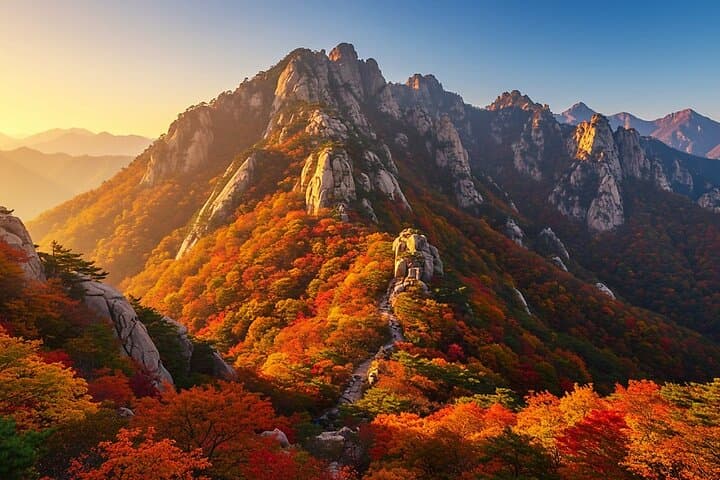
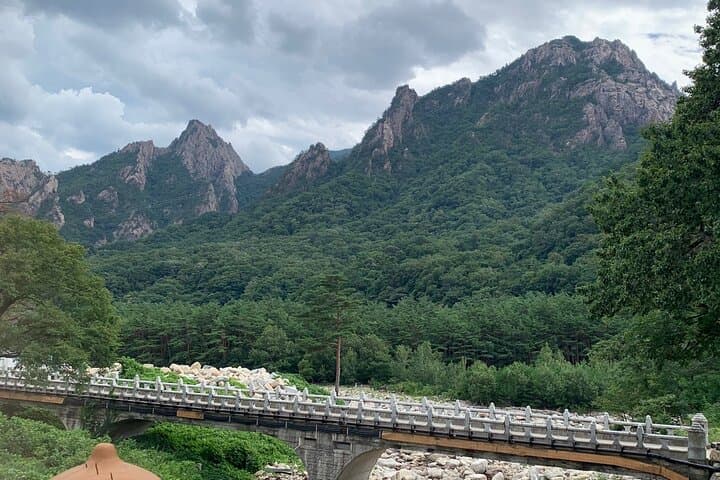
You step off the coastal road in Sokcho and the world tightens into granite and pine: jagged ridgelines of Seoraksan press up against a pale sky while the sea murmurs back toward the road. The bus eases into the park and you can feel the mountain’s mood change—wind testing the pines, water pulling at the valley. On this one-day loop you split your time between the raw, rocky slopes of Seoraksan and the sober, close-up history of the DMZ at Goseong.
You step off the coastal road in Sokcho and the world tightens into granite and pine: jagged ridgelines of Seoraksan press up against a pale sky while the sea murmurs back toward the road. The bus eases into the park and you can feel the mountain’s mood change—wind testing the pines, water pulling at the valley. On this one-day loop you split your time between the raw, rocky slopes of Seoraksan and the sober, close-up history of the DMZ at Goseong.
Seoraksan is a product of tectonic uplift and glacial carving; its steep granite faces and boulder fields expose ancient rock and deep valley shoulders. The DMZ and its museums frame modern Korean history—the 1950s conflict that divided the peninsula and the complex diplomacy that followed. Culturally, Sokcho blends coastal fishing-town life with mountain pilgrimage: you’ll pass temple steps, market stalls selling squid dishes, and villages where remnant wartime stories are still voiced.
Practically, the tour gives 3–4 hours in the park—options include the cable car to Gwongeumseong Fortress, an easy walk to Biseondae and Biryong Falls, or a tougher approach toward Ulsanbawi. The DMZ museum visit is guided and requires ID; exhibits are compact but dense. Expect mixed terrain: paved sections, dirt trails, and granite steps. Bring layered clothing for quick winds and sun protection for exposed ridgelines. Timed departures and group pickup are standard; if the museum is closed (Mondays), the itinerary pivots to Abai Village. Plan for a full 7–8 hour day, carry water and a packed lunch if you prefer trail flexibility, and allow extra time for photo stops—both the geology and the history demand it.