THE ADVENTURE COLLECTIVE® · Independent discovery and booking for outdoor travel

Explore Seongsu-dong’s shift from shoe factories to creative hub on a 2–3 hour walking tour that mixes K-Pop landmarks, artisan cafes, and Seoul Forest. Ideal for curious walkers who want history, local food, and street-level culture.
Explore Seongsu-dong’s shift from shoe factories to creative hub on a 2–3 hour walking tour that mixes K-Pop landmarks, artisan cafes, and Seoul Forest. Ideal for curious walkers who want history, local food, and street-level culture.
Step off the subway and Seongsu-dong greets you like a city that’s learned to improvise: graffitied warehouses stretching toward a pale sky, hip cafes pouring espresso into paper cups, and the soft green edge of Seoul Forest pressing urban noise back.
Verified experiences and guided adventures in the surrounding area.
Operated by S.A. Tour · Seoul, Seoul
Step off the subway and Seongsu-dong greets you like a city that’s learned to improvise: graffitied warehouses stretching toward a pale sky, hip cafes pouring espresso into paper cups, and the soft green edge of Seoul Forest pressing urban noise back.
What you walk through is recent history. Once a cluster of handmade shoe factories and even a 20th-century racetrack, Seongsu-dong remade itself into a creative district in the 2010s. The long, brick factory walls tell an industrial story; the nearby Han River floodplain shaped the flat streets and allowed green corridors like Seoul Forest to take root. Culture here moves fast — K-Pop agencies and indie designers occupy the same blocks as makgeolli bars and youth markets, creating a living collage of old trades and new tastes.
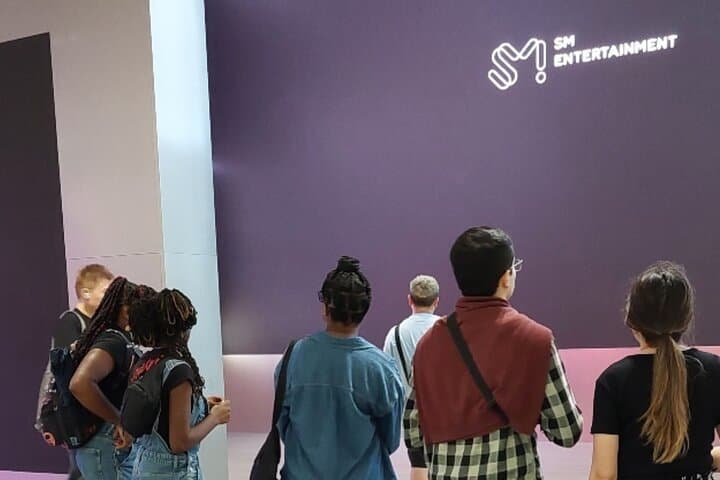
The tour threads these elements: cafe streets, Handmade Shoes Alley, Ttukdo Youth Market, and the glassier edges near SM Entertainment and Coupang’s creative spaces. Seoul Forest offers a quiet counterpoint — willow branches lean in, and herons and squirrels go about their business like city natives.
Practical guidance: plan for roughly 2–3 hours on foot on mostly flat, paved streets with some narrow alleys. Wear comfortable walking shoes and carry a charged phone for maps and translations; many cafés accept cards but small vendors may prefer cash. Midday is lively; early evening highlights neon storefronts and local eateries. Public transit drops you nearby — this is an accessible, low-impact urban walk best done with curiosity and sensible pacing.
easy.
2–3 hours.
Suitable for casual walkers and travelers with normal mobility; minimal elevation.
The scheduled experience runs about 2–3 hours and covers a few kilometers of mostly flat, walkable streets.
Yes—it's rated easy and suitable for most fitness levels; narrow sidewalks and some steps may require attention.
The tour notes an entrance fee is included for listed stops; confirm with the operator for specifics on paid exhibits.
Seongsu-dong is served by Seoul subway lines and buses; the closest stations put you within a short walk of Seoul Forest and cafe streets.
Seongsu-dong was a center for handmade shoe manufacturing and hosted a racetrack; its industrial bones shaped the wide streets and brick architecture now repurposed into creative spaces.
Seoul Forest is a managed urban park focused on habitat restoration and floodplain ecology; visitors should stick to paths and avoid feeding wildlife to reduce human impact.
S.A. Tour operates guided outdoor trips and adventures with an emphasis on safety, stewardship, and memorable experiences.
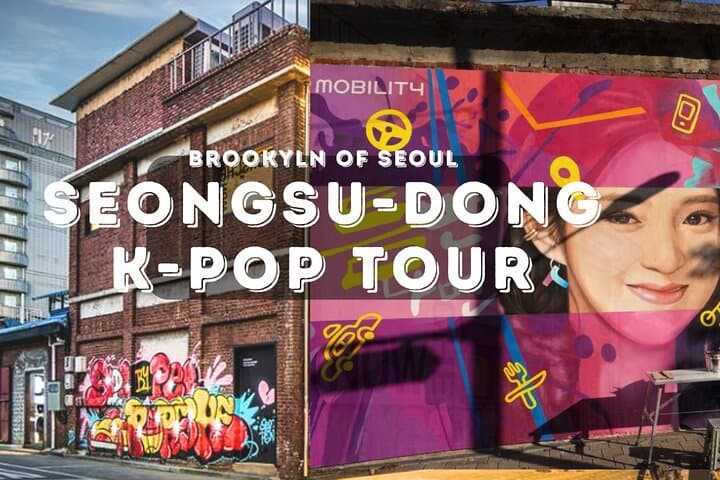
Step off the subway and Seongsu-dong greets you like a city that’s learned to improvise: graffitied warehouses stretching toward a pale sky, hip cafes pouring espresso into paper cups, and the soft green edge of Seoul Forest pressing urban noise back.
Step off the subway and Seongsu-dong greets you like a city that’s learned to improvise: graffitied warehouses stretching toward a pale sky, hip cafes pouring espresso into paper cups, and the soft green edge of Seoul Forest pressing urban noise back.
What you walk through is recent history. Once a cluster of handmade shoe factories and even a 20th-century racetrack, Seongsu-dong remade itself into a creative district in the 2010s. The long, brick factory walls tell an industrial story; the nearby Han River floodplain shaped the flat streets and allowed green corridors like Seoul Forest to take root. Culture here moves fast — K-Pop agencies and indie designers occupy the same blocks as makgeolli bars and youth markets, creating a living collage of old trades and new tastes.
The tour threads these elements: cafe streets, Handmade Shoes Alley, Ttukdo Youth Market, and the glassier edges near SM Entertainment and Coupang’s creative spaces. Seoul Forest offers a quiet counterpoint — willow branches lean in, and herons and squirrels go about their business like city natives.
Practical guidance: plan for roughly 2–3 hours on foot on mostly flat, paved streets with some narrow alleys. Wear comfortable walking shoes and carry a charged phone for maps and translations; many cafés accept cards but small vendors may prefer cash. Midday is lively; early evening highlights neon storefronts and local eateries. Public transit drops you nearby — this is an accessible, low-impact urban walk best done with curiosity and sensible pacing.