THE ADVENTURE COLLECTIVE® · Independent discovery and booking for outdoor travel

Slow down with a 30-minute guided sensory walk through the Château de Lunéville park. Focus on scent, sound and touch as a local guide highlights the site’s history, trees and quiet riverside views.
Slow down with a 30-minute guided sensory walk through the Château de Lunéville park. Focus on scent, sound and touch as a local guide highlights the site’s history, trees and quiet riverside views.
A short bell rings and the park breathes around you: clipped grass, a line of plane trees shading the gravel, air that smells faintly of damp stone and cut leaves. The guided sensory walk through the Château de Lunéville park pares the day down to sound, scent and touch—thirty minutes paced to slow you into the landscape and the history that shaped it.
Verified experiences and guided adventures in the surrounding area.
Operated by Les balades sensorielles du parc du Château à Lunéville · Lunéville, Grand Est
A short bell rings and the park breathes around you: clipped grass, a line of plane trees shading the gravel, air that smells faintly of damp stone and cut leaves. The guided sensory walk through the Château de Lunéville park pares the day down to sound, scent and touch—thirty minutes paced to slow you into the landscape and the history that shaped it.
The Château, once a ducal residence in the 18th century, earned a reputation as the ‘Versailles of Lorraine’ and the park retains the imprint of formal paths, an orangery and vistas that once framed courtly promenades. Geologically the area sits on gentle sedimentary plains along the Meurthe valley; the soil favors lime and plane trees that now shade the alleys. Culturally the park has been public since the 19th century, a local green room where markets and festivals still gather.
Expect tactile invitations: tree bark to feel, leaves to smell, a guide prompting you to listen for birds and the Meurthe’s distant current. The route is flat, on compact paths and gravel, suitable for most abilities and prams. Practical notes: arrive early to avoid midafternoon crowds, bring a reusable water bottle, and wear comfortable shoes—mud is possible after rain. Respect quiet prompts during the tour and take care around historic planting beds.
This half-hour is less a workout than a reset—a reminder that parks can teach as much as they please. For a longer outing, combine the walk with the town’s cafés or a stroll along the river afterwards.
easy.
30 minutes.
Suitable for all fitness levels; minimal walking on flat paths
The guided sensory walk lasts approximately 30 minutes and follows a short, flat route through the park.
The park paths are generally compacted gravel and mostly flat; parts are suitable for strollers and some mobility aids but check with the operator about wheelchair accessibility details.
Tours are bookable in advance and often confirm instantly; booking helps guarantee a spot for the small-group sensory experience.
Service animals are allowed, but general pets may be restricted—confirm with the organizer before bringing a dog.
The Château de Lunéville was a ducal residence in the 18th century and the park preserves formal layouts and plantings from that era.
The park is managed to protect historic garden layouts and mature trees; visitors are asked to stay on paths and avoid disturbing planting beds.
Les balades sensorielles du parc du Château à Lunéville operates guided outdoor trips and adventures with an emphasis on safety, stewardship, and memorable experiences.
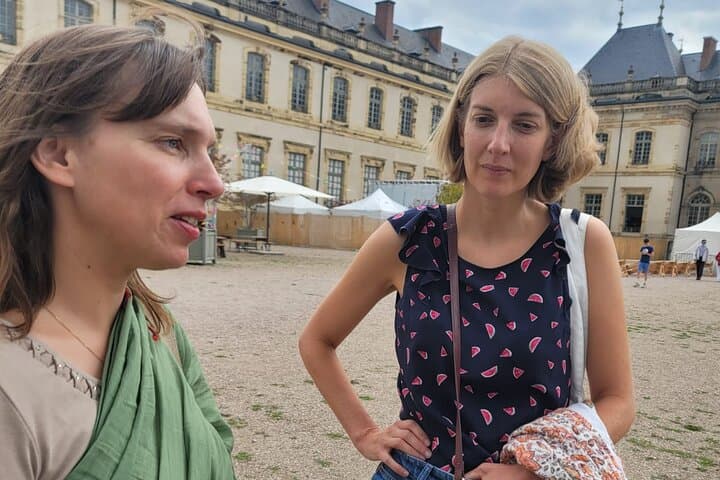
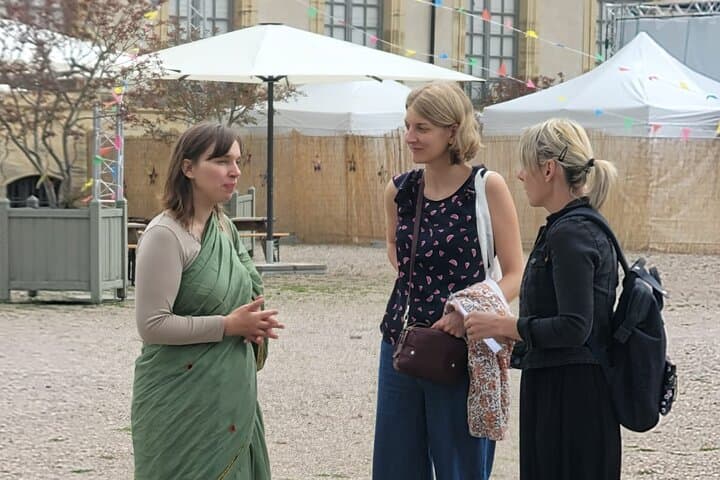
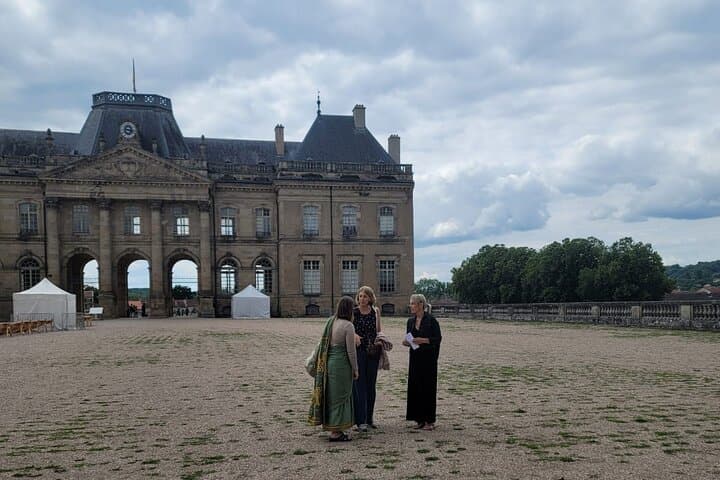
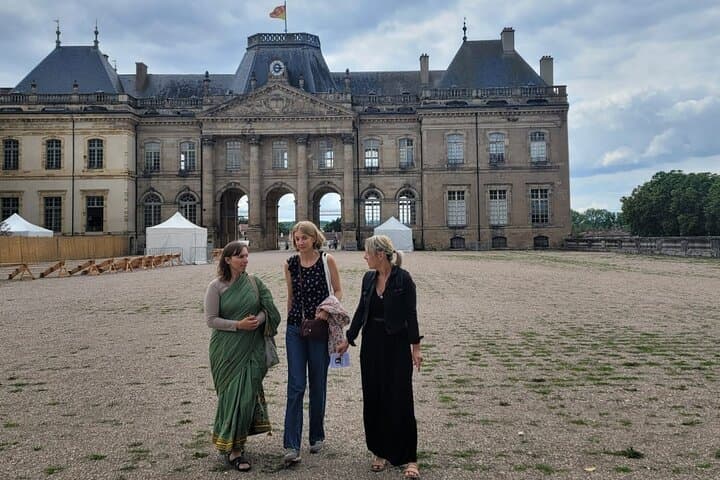
A short bell rings and the park breathes around you: clipped grass, a line of plane trees shading the gravel, air that smells faintly of damp stone and cut leaves. The guided sensory walk through the Château de Lunéville park pares the day down to sound, scent and touch—thirty minutes paced to slow you into the landscape and the history that shaped it.
A short bell rings and the park breathes around you: clipped grass, a line of plane trees shading the gravel, air that smells faintly of damp stone and cut leaves. The guided sensory walk through the Château de Lunéville park pares the day down to sound, scent and touch—thirty minutes paced to slow you into the landscape and the history that shaped it.
The Château, once a ducal residence in the 18th century, earned a reputation as the ‘Versailles of Lorraine’ and the park retains the imprint of formal paths, an orangery and vistas that once framed courtly promenades. Geologically the area sits on gentle sedimentary plains along the Meurthe valley; the soil favors lime and plane trees that now shade the alleys. Culturally the park has been public since the 19th century, a local green room where markets and festivals still gather.
Expect tactile invitations: tree bark to feel, leaves to smell, a guide prompting you to listen for birds and the Meurthe’s distant current. The route is flat, on compact paths and gravel, suitable for most abilities and prams. Practical notes: arrive early to avoid midafternoon crowds, bring a reusable water bottle, and wear comfortable shoes—mud is possible after rain. Respect quiet prompts during the tour and take care around historic planting beds.
This half-hour is less a workout than a reset—a reminder that parks can teach as much as they please. For a longer outing, combine the walk with the town’s cafés or a stroll along the river afterwards.