THE ADVENTURE COLLECTIVE® · Independent discovery and booking for outdoor travel

Five days across Senegal from Dakar to the Lompoul dunes and Saloum Delta—this compact itinerary pairs coastal history, pink salt pans and desert nights. Expect multi-hour drives, basic camps and culturally rich stops guided by local experts.
Five days across Senegal from Dakar to the Lompoul dunes and Saloum Delta—this compact itinerary pairs coastal history, pink salt pans and desert nights. Expect multi-hour drives, basic camps and culturally rich stops guided by local experts.
You step off a ferry at Gorée and the Atlantic wind pushes salt and history into narrow alleys. Over five days this route threads Dakar’s busy corniche, the pink salt pans of Lac Rose, colonial Saint‑Louis, the ochre dunes of Lompoul and the tidal creeks of the Saloum Delta—each place shifting the mood from surf to sand to mangrove.
Verified experiences and guided adventures in the surrounding area.
Operated by Trip tour senegal · Dakar, Dakar Region
You step off a ferry at Gorée and the Atlantic wind pushes salt and history into narrow alleys. Over five days this route threads Dakar’s busy corniche, the pink salt pans of Lac Rose, colonial Saint‑Louis, the ochre dunes of Lompoul and the tidal creeks of the Saloum Delta—each place shifting the mood from surf to sand to mangrove.
Dakar introduces modern Senegal: Independence Square, the African Renaissance monument and noisy markets where Wolof and French mix. Goree Island and its Maison des Esclaves are sobering reminders of the transatlantic slave trade. Geologically, Lac Rose owes its color to halophilic algae and evaporating salt flats; Lompoul’s dunes are wind‑formed Saharan outliers; Saloum’s channels trace a river delta rich in sediment and bird habitat.
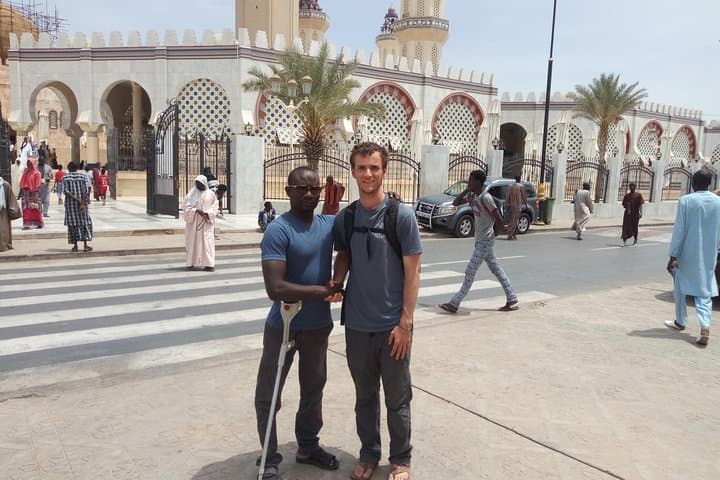
Cultural notes matter: Touba’s mosque is a living pilgrimage center with strict dress and behavioral customs; Saint‑Louis preserves colonial architecture and horse‑drawn carriages. Local guides translate etiquette, market bargaining and ferry timetables into smoother days.
Practical guidance: plan several long drives—segments from Dakar to Lac Rose are short, while Saint‑Louis and Saloum require multi‑hour transfers. Expect basic ecolodges and a tented desert camp; bring sun protection, a small first‑aid kit, bottled water and cash for remote villages. Early starts avoid heat; ferry crossings and unpaved tracks can add time. With patience and a reliable guide you trade convenience for concentrated encounters—vivid sunsets over dunes, coastal birdlife and hands‑on cultural moments that define this compact Senegal loop.
moderate.
4–5 days.
Suitable for travelers with basic fitness who can manage several hours in vehicles, short walks, and a camel ride; not strenuous.
Visa requirements depend on nationality; many travelers require a visa obtained in advance—check with Senegalese consulate before travel.
Touba is a religious city with strict customs; dress conservatively, avoid photographing people without permission and follow your guide’s advice.
The CFA franc (XOF) is used; ATMs are available in major towns but carry cash for markets and remote areas.
Some meals (breakfast and dinners) are included; eat at recommended places, avoid raw salads in remote spots, and drink bottled or treated water.
This route intersects Senegal’s coastal trading past, colonial-era Saint‑Louis and the slave‑trade sites of Gorée—places central to West African history.
Saloum Delta is a UNESCO biosphere area where mangrove protection and sustainable oyster harvesting are priorities; visitors should minimize plastic and follow local boat rules.
Trip tour senegal operates guided outdoor trips and adventures with an emphasis on safety, stewardship, and memorable experiences.
You step off a ferry at Gorée and the Atlantic wind pushes salt and history into narrow alleys. Over five days this route threads Dakar’s busy corniche, the pink salt pans of Lac Rose, colonial Saint‑Louis, the ochre dunes of Lompoul and the tidal creeks of the Saloum Delta—each place shifting the mood from surf to sand to mangrove.
You step off a ferry at Gorée and the Atlantic wind pushes salt and history into narrow alleys. Over five days this route threads Dakar’s busy corniche, the pink salt pans of Lac Rose, colonial Saint‑Louis, the ochre dunes of Lompoul and the tidal creeks of the Saloum Delta—each place shifting the mood from surf to sand to mangrove.
Dakar introduces modern Senegal: Independence Square, the African Renaissance monument and noisy markets where Wolof and French mix. Goree Island and its Maison des Esclaves are sobering reminders of the transatlantic slave trade. Geologically, Lac Rose owes its color to halophilic algae and evaporating salt flats; Lompoul’s dunes are wind‑formed Saharan outliers; Saloum’s channels trace a river delta rich in sediment and bird habitat.
Cultural notes matter: Touba’s mosque is a living pilgrimage center with strict dress and behavioral customs; Saint‑Louis preserves colonial architecture and horse‑drawn carriages. Local guides translate etiquette, market bargaining and ferry timetables into smoother days.
Practical guidance: plan several long drives—segments from Dakar to Lac Rose are short, while Saint‑Louis and Saloum require multi‑hour transfers. Expect basic ecolodges and a tented desert camp; bring sun protection, a small first‑aid kit, bottled water and cash for remote villages. Early starts avoid heat; ferry crossings and unpaved tracks can add time. With patience and a reliable guide you trade convenience for concentrated encounters—vivid sunsets over dunes, coastal birdlife and hands‑on cultural moments that define this compact Senegal loop.