THE ADVENTURE COLLECTIVE® · Independent discovery and booking for outdoor travel

As twilight fades on the Pacific coast, Sendero Tranquilo’s forest comes alive. This two-hour guided night walk reveals frogs, nocturnal mammals and insects in a lower-altitude pre-montane reserve—ideal for quiet, observant travelers.
As twilight fades on the Pacific coast, Sendero Tranquilo’s forest comes alive. This two-hour guided night walk reveals frogs, nocturnal mammals and insects in a lower-altitude pre-montane reserve—ideal for quiet, observant travelers.
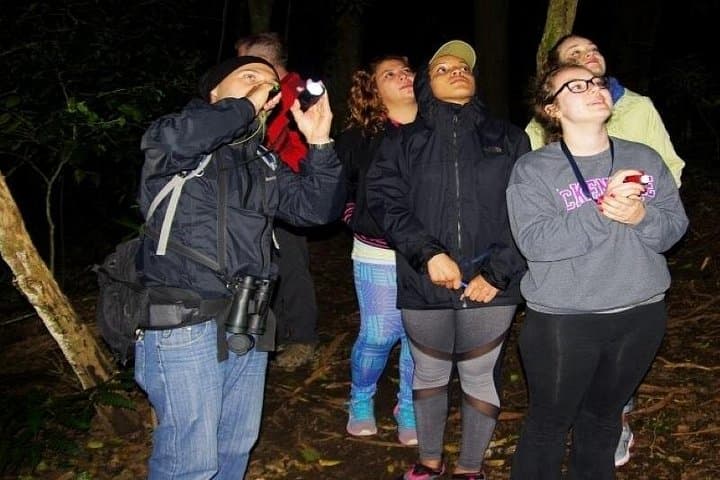
The sun slips low over the Pacific and the last bright birds retreat; a cool breeze from the ocean pushes through the trees as the forest changes its tune. On the Sendero Tranquilo Night Walk, guides lead small groups along uneven trails, headlamps dimmed to preserve night vision while nocturnal frogs, insects and small mammals begin to claim the understory.
Verified experiences and guided adventures in the surrounding area.
Operated by Sinwa Tours Operador Turístico S.A · Puntarenas, Puntarenas
The sun slips low over the Pacific and the last bright birds retreat; a cool breeze from the ocean pushes through the trees as the forest changes its tune. On the Sendero Tranquilo Night Walk, guides lead small groups along uneven trails, headlamps dimmed to preserve night vision while nocturnal frogs, insects and small mammals begin to claim the understory.
The reserve sits in a transition band between tropical rainforest and seasonal forest—lower than cloud forest and shaped by Pacific winds that keep humidity moderate. Its mix of fruiting trees and exposed ridgelines gives shelter to species that seldom show in daytime tours. The project began as a local conservation effort to protect this pre-montane corridor and to promote community awareness of a landscape shaped by volcanic soils and coastal weather patterns.
Expect a slow, deliberate pace: the thrill here is in listening and watching. You’ll pass leaf-litter microhabitats, a small seasonal stream, and stands of fig and guava where nocturnal feeders gather. Guides emphasize low light, quiet movement, and using red-filtered lamps so eyes adjust and animals continue their behavior.
Practicalities: the walk is about two hours on narrow, sometimes muddy paths with modest elevation change. Wear grippy, closed-toe shoes and long sleeves to fend off insects and branches. Bring water, a headlamp with red setting, and a light rain layer during the wet season. Photography is possible but avoid flash—animals are more likely to reveal themselves to patient observers than to camera bursts.
The tour offers an intimate glimpse into a nighttime world most visitors never see, balanced with clear conservation-minded rules to keep wildlife wild.
easy.
2 hours.
Suitable for most fitness levels—requires steady balance on uneven ground and the ability to walk for two hours at a slow, deliberate pace.
The tour lasts about two hours and is rated easy—paths are narrow and sometimes wet but the pace is slow with frequent stops for viewing.
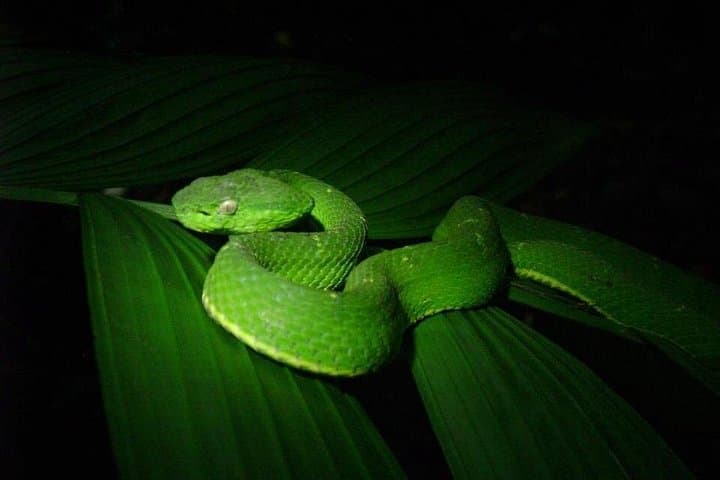
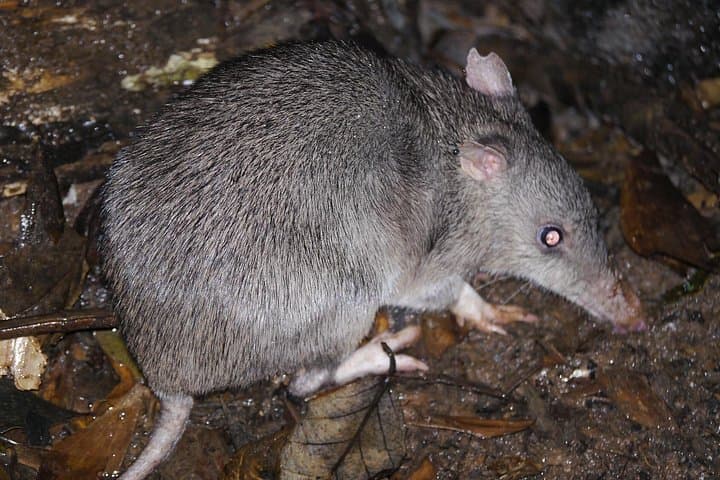
Common nocturnal sightings include tree frogs (like red-eyed species), katydids and other large insects, frogs and toads, and occasional small mammals such as kinkajous or opossums; sightings vary by season and luck.
The operator notes the activity is suitable for most ages but it is not recommended for pregnant travelers; verify age and pickup requirements when booking.
All sales are final for this tour—no refunds are available for cancellations, so review timing and weather considerations before booking.
The reserve was founded by local conservationists to protect a pre-montane corridor linking coastal and cloud forest habitats, emphasizing community education and habitat restoration.
Keep to trails, avoid flash photography, and follow guide directions to minimize disturbance—limited night tours help reduce light and noise impacts on sensitive species.
Sinwa Tours Operador Turístico S.A operates guided outdoor trips and adventures with an emphasis on safety, stewardship, and memorable experiences.
The sun slips low over the Pacific and the last bright birds retreat; a cool breeze from the ocean pushes through the trees as the forest changes its tune. On the Sendero Tranquilo Night Walk, guides lead small groups along uneven trails, headlamps dimmed to preserve night vision while nocturnal frogs, insects and small mammals begin to claim the understory.
The sun slips low over the Pacific and the last bright birds retreat; a cool breeze from the ocean pushes through the trees as the forest changes its tune. On the Sendero Tranquilo Night Walk, guides lead small groups along uneven trails, headlamps dimmed to preserve night vision while nocturnal frogs, insects and small mammals begin to claim the understory.
The reserve sits in a transition band between tropical rainforest and seasonal forest—lower than cloud forest and shaped by Pacific winds that keep humidity moderate. Its mix of fruiting trees and exposed ridgelines gives shelter to species that seldom show in daytime tours. The project began as a local conservation effort to protect this pre-montane corridor and to promote community awareness of a landscape shaped by volcanic soils and coastal weather patterns.
Expect a slow, deliberate pace: the thrill here is in listening and watching. You’ll pass leaf-litter microhabitats, a small seasonal stream, and stands of fig and guava where nocturnal feeders gather. Guides emphasize low light, quiet movement, and using red-filtered lamps so eyes adjust and animals continue their behavior.
Practicalities: the walk is about two hours on narrow, sometimes muddy paths with modest elevation change. Wear grippy, closed-toe shoes and long sleeves to fend off insects and branches. Bring water, a headlamp with red setting, and a light rain layer during the wet season. Photography is possible but avoid flash—animals are more likely to reveal themselves to patient observers than to camera bursts.
The tour offers an intimate glimpse into a nighttime world most visitors never see, balanced with clear conservation-minded rules to keep wildlife wild.