THE ADVENTURE COLLECTIVE® · Independent discovery and booking for outdoor travel

Explore Sendai’s labyrinth of tiny bars and age-old izakaya on a private evening tour that unlocks member-only venues and regional sake. Expect a walking, tasting-focused night through Bunka Yokocho and Iroha side streets with an English-speaking guide.
Explore Sendai’s labyrinth of tiny bars and age-old izakaya on a private evening tour that unlocks member-only venues and regional sake. Expect a walking, tasting-focused night through Bunka Yokocho and Iroha side streets with an English-speaking guide.
On a cool Sendai evening, lantern light leaks into narrow alleys and timber-framed izakaya throw warm rectangles onto wet paving. Small groups drift from yakitori grills to whisky bars, guided by someone who knows which counter will welcome you and which sake will open the conversation. The tour threads Iroha side streets and Bunka Yokocho, carrying you past neon, paper signs, and low-slung storefronts that keep local rhythms.
Verified experiences and guided adventures in the surrounding area.
Operated by Japan at Night · Sendai, Miyagi Prefecture
On a cool Sendai evening, lantern light leaks into narrow alleys and timber-framed izakaya throw warm rectangles onto wet paving. Small groups drift from yakitori grills to whisky bars, guided by someone who knows which counter will welcome you and which sake will open the conversation. The tour threads Iroha side streets and Bunka Yokocho, carrying you past neon, paper signs, and low-slung storefronts that keep local rhythms.
Sendai’s modern grid sits atop a samurai foundation: Date Masamune’s 17th-century urban planning and the port city’s postwar rebirth shaped tonight’s nightlife. Geologically, the city skirts Sendai Plain and nearby hills, concentrating dining districts in compact blocks where walking dominates. Culturally, izakaya are social kitchens—small plates, seasonal produce, regional sake—designed for lingering and exchange. Guides here prize relationships with mom-and-pop venues and access to seats and bottles often closed to casual visitors.
Practical guidance: expect 3–5 hours of walking and standing in tight interiors; many spots are cash-first and small, so bring yen and a compact pack. Pace yourself with water between drinks and let the guide manage seating and ordering etiquette. Ask about non-alcoholic options and allergen needs before booking. Evening temperatures shift quickly—carry a light layer. The experience rewards curiosity: try a regional sake, a local snack off-menu, and accept the low counter seat when offered.
This tour is equal parts food education and urban exploration—designed for those who prefer authentic, human-scale nightlife to large tourist venues.
easy.
3–5 hours.
Suitable for most fitness levels—requires short walks and standing at counters; not strenuous.
The guide fee is included, but food and drinks are generally paid on-site; plan a per-person budget and ask the guide for an estimate.
Yes—private tours welcome solo travelers, and guides facilitate seating and introductions at intimate counters.
Yes—participants must be 20 or older to drink in Japan; tours enforce this legal age requirement.
Typically yes if notified in advance—tell the operator your restrictions when booking so venues can adjust orders.
Sendai grew under Date Masamune in the 17th century; Bunka Yokocho preserves postwar social dining culture with bars over 50 years old.
Guides emphasize low-impact visiting—support small businesses, avoid large groups per venue, and follow local rules to reduce overtourism and waste.
Japan at Night operates guided outdoor trips and adventures with an emphasis on safety, stewardship, and memorable experiences.
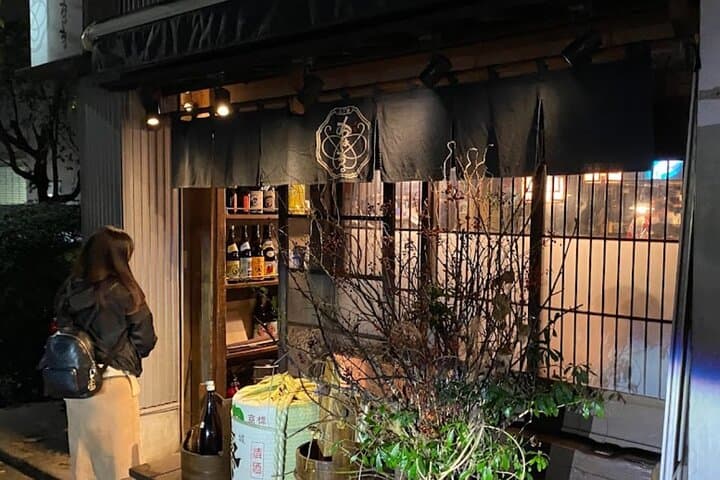
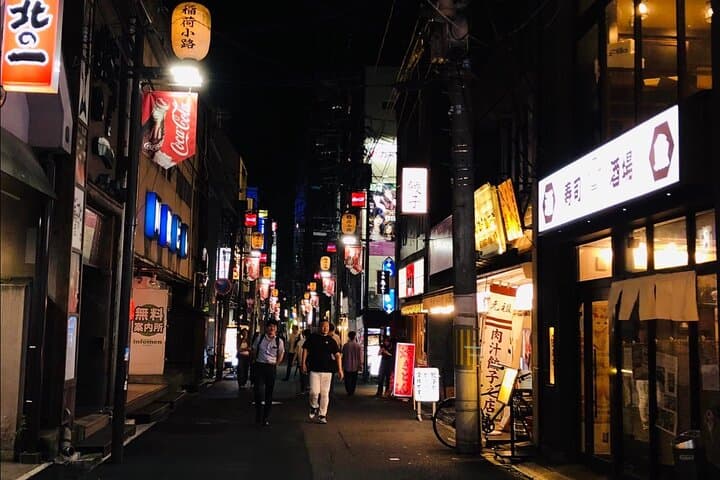
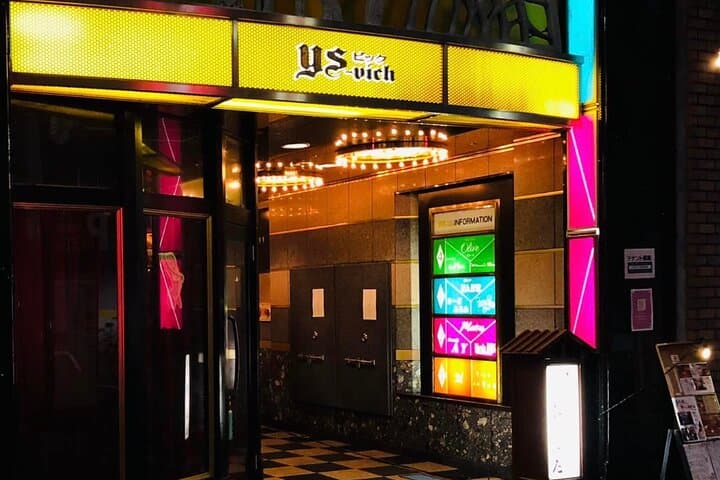
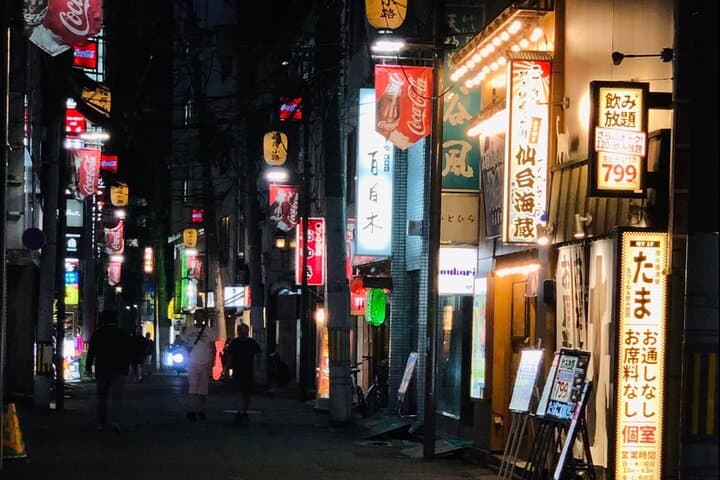
On a cool Sendai evening, lantern light leaks into narrow alleys and timber-framed izakaya throw warm rectangles onto wet paving. Small groups drift from yakitori grills to whisky bars, guided by someone who knows which counter will welcome you and which sake will open the conversation. The tour threads Iroha side streets and Bunka Yokocho, carrying you past neon, paper signs, and low-slung storefronts that keep local rhythms.
On a cool Sendai evening, lantern light leaks into narrow alleys and timber-framed izakaya throw warm rectangles onto wet paving. Small groups drift from yakitori grills to whisky bars, guided by someone who knows which counter will welcome you and which sake will open the conversation. The tour threads Iroha side streets and Bunka Yokocho, carrying you past neon, paper signs, and low-slung storefronts that keep local rhythms.
Sendai’s modern grid sits atop a samurai foundation: Date Masamune’s 17th-century urban planning and the port city’s postwar rebirth shaped tonight’s nightlife. Geologically, the city skirts Sendai Plain and nearby hills, concentrating dining districts in compact blocks where walking dominates. Culturally, izakaya are social kitchens—small plates, seasonal produce, regional sake—designed for lingering and exchange. Guides here prize relationships with mom-and-pop venues and access to seats and bottles often closed to casual visitors.
Practical guidance: expect 3–5 hours of walking and standing in tight interiors; many spots are cash-first and small, so bring yen and a compact pack. Pace yourself with water between drinks and let the guide manage seating and ordering etiquette. Ask about non-alcoholic options and allergen needs before booking. Evening temperatures shift quickly—carry a light layer. The experience rewards curiosity: try a regional sake, a local snack off-menu, and accept the low counter seat when offered.
This tour is equal parts food education and urban exploration—designed for those who prefer authentic, human-scale nightlife to large tourist venues.