THE ADVENTURE COLLECTIVE® · Independent discovery and booking for outdoor travel

A private six-hour exploration of Sendai and Matsushima led by a national government-licensed English-speaking guide. Customize your day with 3–4 sites—from samurai mausoleums and seaside temples to fish markets and bay viewpoints.
A private six-hour exploration of Sendai and Matsushima led by a national government-licensed English-speaking guide. Customize your day with 3–4 sites—from samurai mausoleums and seaside temples to fish markets and bay viewpoints.
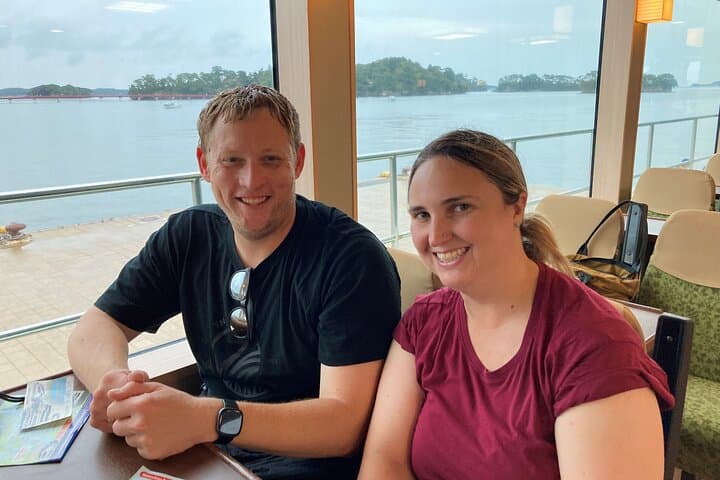
Morning light hits Sendai’s avenues and the bay beyond like a call to move. A licensed guide meets you on foot near Sendai Station and the city slides into focus: cedar-shaded mausoleums, a modern observation lounge, and the slow, pine-dotted islands of Matsushima Bay that seem to hover on the water.
Verified experiences and guided adventures in the surrounding area.
Operated by Japan Guide Agency · Sendai, Miyagi
Morning light hits Sendai’s avenues and the bay beyond like a call to move. A licensed guide meets you on foot near Sendai Station and the city slides into focus: cedar-shaded mausoleums, a modern observation lounge, and the slow, pine-dotted islands of Matsushima Bay that seem to hover on the water.
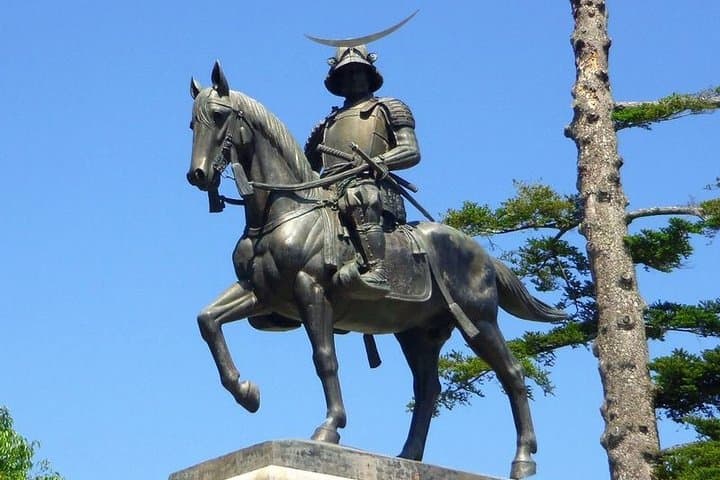
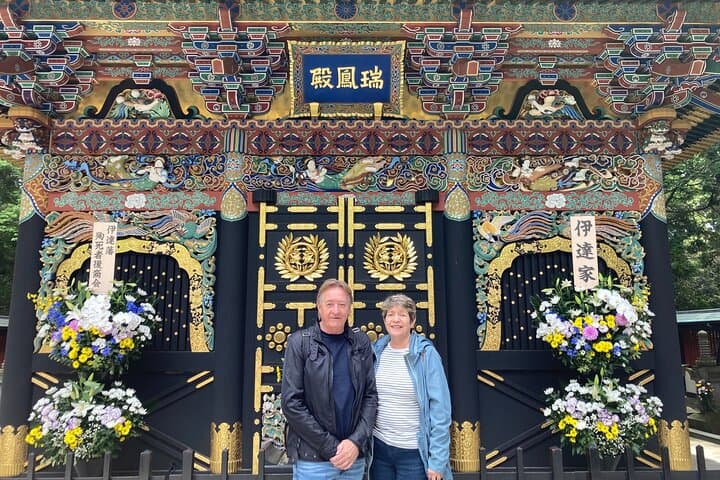
This route threads together Tohoku history and coastal geology. Date Masamune’s legacy is visible at Zuihoden and Osaki Hachimangū; the Sendai Castle ruins offer a compact lesson in feudal strategy and later urban change. Matsushima’s islets are the product of drowned river valleys and resilient pine growth—classic ria coastline formed by rising seas and folded land—and their scattered shapes have drawn poets and pilgrims for centuries.
Culturally the tour balances samurai-era shrines, Zen halls like Zuiganji, seafood markets in Shiogama, and local crafts and brews; many guides include a sake or whiskey stop to explain regional production methods. The experience is customizable—pick three to four sites from a list to tailor pacing and interests.
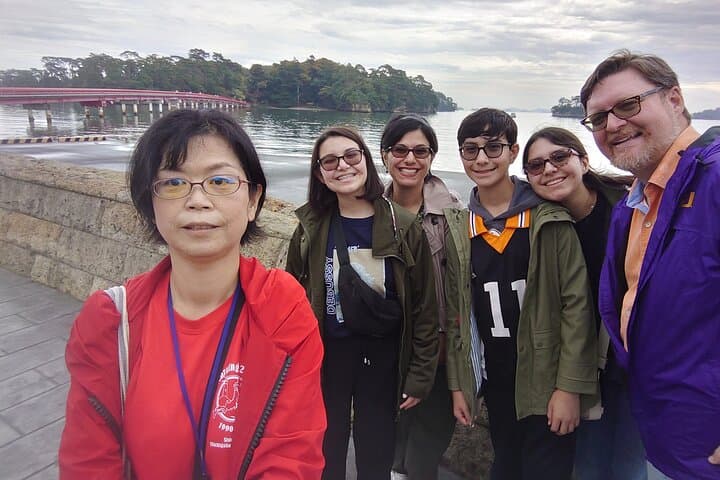
Practical note: this is a six-hour walking tour with frequent short transfers; surfaces are mostly paved and wheelchair-accessible, but expect steps at some temples and waterfront viewpoints. Bring comfortable footwear, a layered jacket, and some cash for small entry fees or the Fukuurajima bridge. Start early for softer light in Matsushima and lighter crowds, and confirm meeting details with your guide the night before.
The tour delivers compact cultural context, seaside vistas, and efficient logistics—ideal for travelers who want deep local interpretation without the rush of self-navigation.
easy.
6 hours.
Suitable for most fitness levels; expect light walking with periodic stops and some short stair sections.
Yes. The tour is built around selecting three to four sites from the provided list so your guide can tailor timing and commentary.
Most admissions and local transport costs are not included; the booking includes a licensed guide and meet-up, but check each attraction for separate fees.
Yes. The operator notes stroller and wheelchair accessibility for most areas, though some temple buildings and island bridges have steps.
Meet-up is on foot in a designated area of Sendai (confirm with the operator). Full refunds are available if canceled at least 24 hours before departure.
Sendai’s identity is tied to Date Masamune, the 17th-century feudal lord who rebuilt temples and shaped the city’s architecture and culture.
Matsushima’s pine islets were reshaped by the 2011 tsunami and subsequent restoration; visitors are encouraged to stay on paths and avoid litter to protect fragile coastal habitats.
Japan Guide Agency operates guided outdoor trips and adventures with an emphasis on safety, stewardship, and memorable experiences.
Morning light hits Sendai’s avenues and the bay beyond like a call to move. A licensed guide meets you on foot near Sendai Station and the city slides into focus: cedar-shaded mausoleums, a modern observation lounge, and the slow, pine-dotted islands of Matsushima Bay that seem to hover on the water.
Morning light hits Sendai’s avenues and the bay beyond like a call to move. A licensed guide meets you on foot near Sendai Station and the city slides into focus: cedar-shaded mausoleums, a modern observation lounge, and the slow, pine-dotted islands of Matsushima Bay that seem to hover on the water.
This route threads together Tohoku history and coastal geology. Date Masamune’s legacy is visible at Zuihoden and Osaki Hachimangū; the Sendai Castle ruins offer a compact lesson in feudal strategy and later urban change. Matsushima’s islets are the product of drowned river valleys and resilient pine growth—classic ria coastline formed by rising seas and folded land—and their scattered shapes have drawn poets and pilgrims for centuries.
Culturally the tour balances samurai-era shrines, Zen halls like Zuiganji, seafood markets in Shiogama, and local crafts and brews; many guides include a sake or whiskey stop to explain regional production methods. The experience is customizable—pick three to four sites from a list to tailor pacing and interests.
Practical note: this is a six-hour walking tour with frequent short transfers; surfaces are mostly paved and wheelchair-accessible, but expect steps at some temples and waterfront viewpoints. Bring comfortable footwear, a layered jacket, and some cash for small entry fees or the Fukuurajima bridge. Start early for softer light in Matsushima and lighter crowds, and confirm meeting details with your guide the night before.
The tour delivers compact cultural context, seaside vistas, and efficient logistics—ideal for travelers who want deep local interpretation without the rush of self-navigation.