THE ADVENTURE COLLECTIVE® · Independent discovery and booking for outdoor travel

Customize a four-hour private tour around Sendai and the iconic pine islets of Matsushima with a government-licensed guide. Pick 2–3 sites—from Zuihoden to Zuiganji—and get local history, hidden viewpoints, and practical logistics handled for you.
Customize a four-hour private tour around Sendai and the iconic pine islets of Matsushima with a government-licensed guide. Pick 2–3 sites—from Zuihoden to Zuiganji—and get local history, hidden viewpoints, and practical logistics handled for you.
A morning in Sendai begins at the city’s edge where cedar-lined avenues give way to harbor light and a guide with local certification waits to set a pace that fits you.
Verified experiences and guided adventures in the surrounding area.
Operated by Japan Guide Agency · Sendai, Miyagi Prefecture
A morning in Sendai begins at the city’s edge where cedar-lined avenues give way to harbor light and a guide with local certification waits to set a pace that fits you.
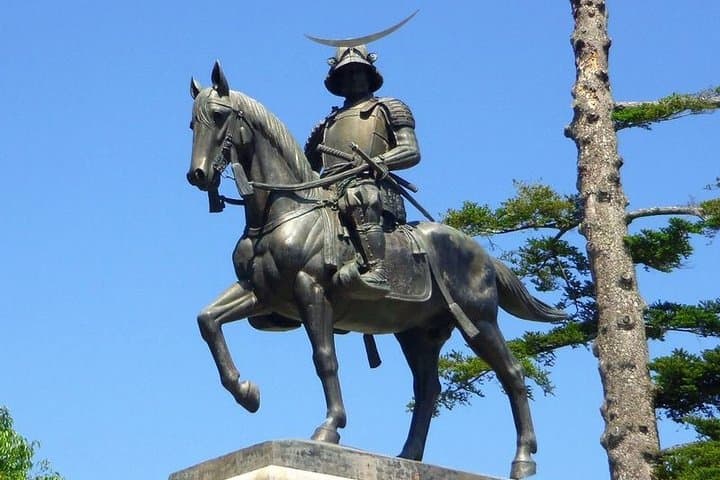
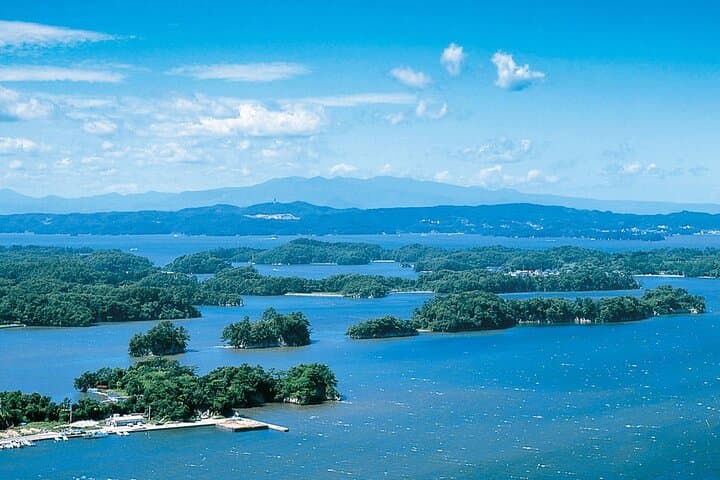
In four hours you move between samurai-era relics and coastal panoramas: the ornate lacquer and woodwork of Zuihoden, the modest ruins and museum at Sendai Castle, and the wide, photo-ready sweep of Matsushima Bay with its pine-dotted islets. The coastline here pushes and pulls at the senses—salt-sweet wind, the click of a red bridge to Fukuura Island, quiet temple courtyards that still hold Date Masamune’s imprint.
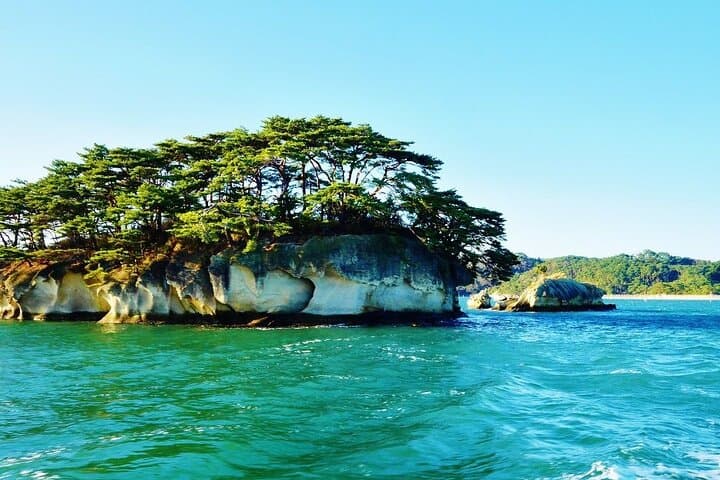
Geology and history meet plainly: Matsushima’s islands are weathered remnants of Miocene sandstone shaped by currents; Sendai grew under the Date family in the 17th century and still carries those civic lines in its shrines and tea houses. Cultural notes matter—Zuiganji and Entsūin preserve Zen and Momoyama-era aesthetics, while local markets and breweries expose Miyagi’s seafood and sake traditions.
Practical guidance: choose 2–3 must-see stops when you book; the guide customizes routing and timing. Many sites are wheelchair-accessible but expect some stairs at temples and small museums. Bring cash for small fees (Fukuura bridge ~200 JPY) and a compact umbrella—coastal weather can shift fast. Morning and late afternoon light favor SS30 observation decks and bay views. If you want a brewery tour or Zuiganji interior access, reserve those slots in advance through your guide to avoid disappointment.
easy.
4 hours.
Suitable for travelers of most fitness levels; involves moderate walking and some stairs at temple sites.
Meeting is on foot within a designated area of central Sendai; the exact point will be given after booking to suit your arrival method.
Yes—the guide will build a four-hour route based on your selected 2–3 must-see sites from the provided list.
Many sites and transport options are wheelchair accessible, but some temple areas and island paths have steps—confirm specific access needs when booking.
Full refunds are available for cancellations made at least 24 hours before the scheduled departure; tours may be canceled due to bad weather.
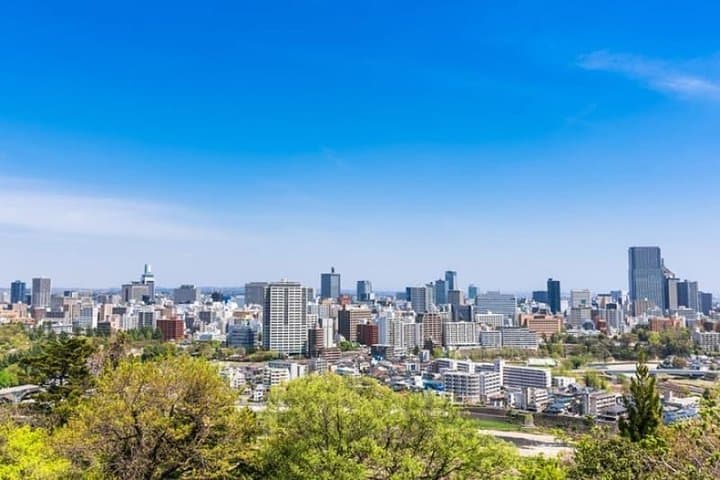
Sendai’s modern layout and many temples reflect the Date clan’s influence from the early 17th century; Matsushima has been celebrated as one of Japan’s three scenic views for centuries.
Matsushima was spared catastrophic tsunami damage in 2011 thanks to its island-protected bay but tourism supports ongoing shoreline restoration; practice low-impact visiting and follow local signage.
Japan Guide Agency operates guided outdoor trips and adventures with an emphasis on safety, stewardship, and memorable experiences.
A morning in Sendai begins at the city’s edge where cedar-lined avenues give way to harbor light and a guide with local certification waits to set a pace that fits you.
A morning in Sendai begins at the city’s edge where cedar-lined avenues give way to harbor light and a guide with local certification waits to set a pace that fits you.
In four hours you move between samurai-era relics and coastal panoramas: the ornate lacquer and woodwork of Zuihoden, the modest ruins and museum at Sendai Castle, and the wide, photo-ready sweep of Matsushima Bay with its pine-dotted islets. The coastline here pushes and pulls at the senses—salt-sweet wind, the click of a red bridge to Fukuura Island, quiet temple courtyards that still hold Date Masamune’s imprint.
Geology and history meet plainly: Matsushima’s islands are weathered remnants of Miocene sandstone shaped by currents; Sendai grew under the Date family in the 17th century and still carries those civic lines in its shrines and tea houses. Cultural notes matter—Zuiganji and Entsūin preserve Zen and Momoyama-era aesthetics, while local markets and breweries expose Miyagi’s seafood and sake traditions.
Practical guidance: choose 2–3 must-see stops when you book; the guide customizes routing and timing. Many sites are wheelchair-accessible but expect some stairs at temples and small museums. Bring cash for small fees (Fukuura bridge ~200 JPY) and a compact umbrella—coastal weather can shift fast. Morning and late afternoon light favor SS30 observation decks and bay views. If you want a brewery tour or Zuiganji interior access, reserve those slots in advance through your guide to avoid disappointment.