THE ADVENTURE COLLECTIVE® · Independent discovery and booking for outdoor travel

Follow jungle stairs and river crossings from Senaru to two powerful cascades—Sendang Gile and Tiu Kelep. This half-day trek combines easy-to-moderate hiking with cool mountain pools and cultural touches from Sasak village life.
Follow jungle stairs and river crossings from Senaru to two powerful cascades—Sendang Gile and Tiu Kelep. This half-day trek combines easy-to-moderate hiking with cool mountain pools and cultural touches from Sasak village life.
A cool mist hangs in the jungle as the trail drops toward the first roar—Sendang Gile’s two-tiered curtain carving a white throat through dense green. Trekking from Senaru, the path threads bamboo groves and mossy rocks, then opens to a shallow pool where visitors can stand below the falls and feel the spray. A second, narrower trail leads deeper into the ravine to Tiu Kelep, where a high, single cascade plunges over a moss-carved wall into a shallow basin.
Verified experiences and guided adventures in the surrounding area.
Operated by Lombok Sightseeing · Senaru, West Nusa Tenggara
A cool mist hangs in the jungle as the trail drops toward the first roar—Sendang Gile’s two-tiered curtain carving a white throat through dense green. Trekking from Senaru, the path threads bamboo groves and mossy rocks, then opens to a shallow pool where visitors can stand below the falls and feel the spray. A second, narrower trail leads deeper into the ravine to Tiu Kelep, where a high, single cascade plunges over a moss-carved wall into a shallow basin.
These falls sit on Mount Rinjani’s northern slopes; their flow is fed by mountain springs and seasonal rainfall. The surrounding rock is volcanic tuff and andesite, softened by weathering and cloaked in tropical montane forest. Senaru village acts as the historical gateway for Rinjani climbers and is inhabited by Sasak communities who still practice traditional crafts and rice farming.
Expect humid jungle air, short river crossings, and carved wooden steps—the terrain is uneven and can be slippery after rain. The trek generally covers 4–5 km round-trip with modest elevation change (roughly 100–250 m), but transport from hotels and time at viewpoint and pools make the outing a half-day affair.
Plan an early start for softer light and fewer people, bring swimwear and quick-dry layers, and use sturdy, grippy footwear. Guides are commonplace and add cultural context and safety on narrow trails. Respect local rules about swimming and changing; carry out trash and avoid stepping on delicate moss and roots. With a little preparation, this trek delivers dramatic falls, cool water, and an immediate sense of Lombok’s wild flank.
easy.
6–7 hours.
Suitable for travelers in light to moderate fitness; able to walk several kilometers on uneven jungle trails and negotiate steps and short climbs.
The trails are mostly short and well-defined with some stairs and river crossings; overall it’s considered easy but requires steady footing and basic mobility.
Yes—both Sendang Gile and Tiu Kelep have shallow pools suitable for a quick swim, but check local guidance and avoid swimming after heavy rain due to stronger currents.
A guide is not strictly required but common; local guides improve navigation, share cultural context, and help with safety on narrow sections.
Dry season (roughly April–October) offers more reliable trails, but early mornings any season reduce crowds and provide the best light.
Senaru has long been a staging village for treks up Mount Rinjani and is home to Sasak communities with distinctive weaving and agricultural practices.
The area is popular and fragile—stick to trails, avoid stepping on moss or roots, and pack out all trash to protect the montane forest and water quality.
Lombok Sightseeing operates guided outdoor trips and adventures with an emphasis on safety, stewardship, and memorable experiences.
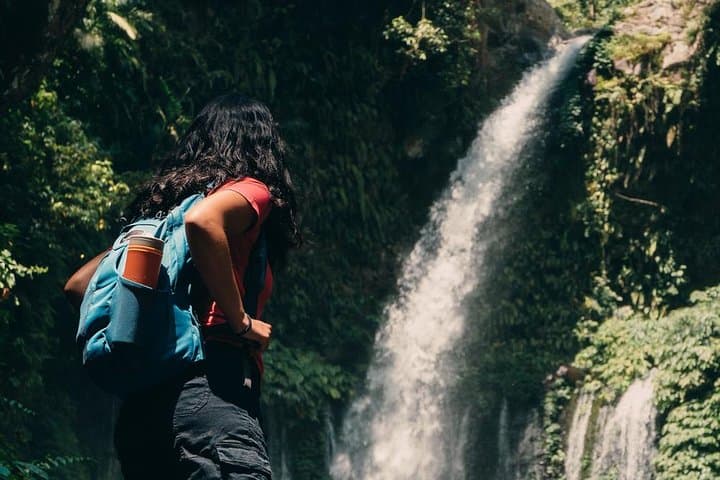
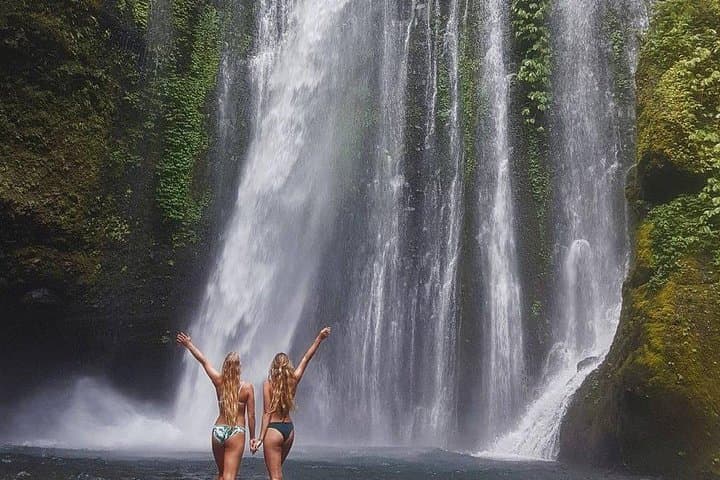
A cool mist hangs in the jungle as the trail drops toward the first roar—Sendang Gile’s two-tiered curtain carving a white throat through dense green. Trekking from Senaru, the path threads bamboo groves and mossy rocks, then opens to a shallow pool where visitors can stand below the falls and feel the spray. A second, narrower trail leads deeper into the ravine to Tiu Kelep, where a high, single cascade plunges over a moss-carved wall into a shallow basin.
A cool mist hangs in the jungle as the trail drops toward the first roar—Sendang Gile’s two-tiered curtain carving a white throat through dense green. Trekking from Senaru, the path threads bamboo groves and mossy rocks, then opens to a shallow pool where visitors can stand below the falls and feel the spray. A second, narrower trail leads deeper into the ravine to Tiu Kelep, where a high, single cascade plunges over a moss-carved wall into a shallow basin.
These falls sit on Mount Rinjani’s northern slopes; their flow is fed by mountain springs and seasonal rainfall. The surrounding rock is volcanic tuff and andesite, softened by weathering and cloaked in tropical montane forest. Senaru village acts as the historical gateway for Rinjani climbers and is inhabited by Sasak communities who still practice traditional crafts and rice farming.
Expect humid jungle air, short river crossings, and carved wooden steps—the terrain is uneven and can be slippery after rain. The trek generally covers 4–5 km round-trip with modest elevation change (roughly 100–250 m), but transport from hotels and time at viewpoint and pools make the outing a half-day affair.
Plan an early start for softer light and fewer people, bring swimwear and quick-dry layers, and use sturdy, grippy footwear. Guides are commonplace and add cultural context and safety on narrow trails. Respect local rules about swimming and changing; carry out trash and avoid stepping on delicate moss and roots. With a little preparation, this trek delivers dramatic falls, cool water, and an immediate sense of Lombok’s wild flank.