THE ADVENTURE COLLECTIVE® · Independent discovery and booking for outdoor travel

Move through 6,000 years of human history with a guide and a small group at the British Museum. This semi‑private tour focuses on signature pieces—Rosetta Stone, Parthenon Marbles, Sutton Hoo—while giving context often missed in bigger groups.
Move through 6,000 years of human history with a guide and a small group at the British Museum. This semi‑private tour focuses on signature pieces—Rosetta Stone, Parthenon Marbles, Sutton Hoo—while giving context often missed in bigger groups.
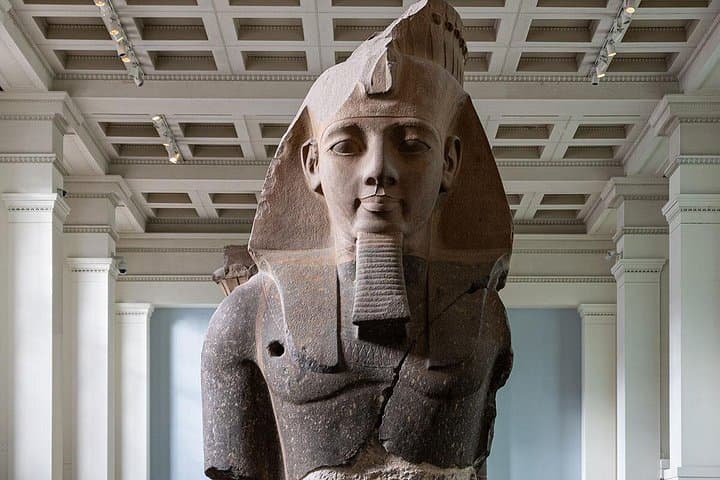
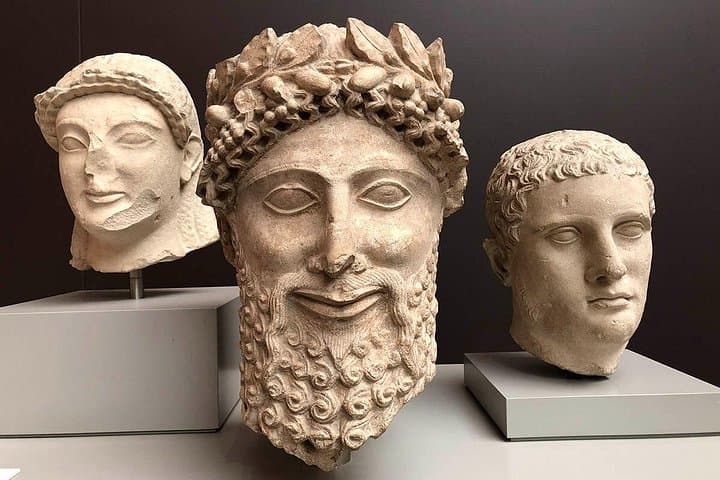
You step through a heavy glass door and the noise of Bloomsbury filters away; the gallery’s cool air meets you as centuries of human making line the aisles. In a group capped at six, the guide moves with purpose — pausing at the Rosetta Stone where carved scripts dare you to read past the surface, then leading you toward the Parthenon marbles whose fractured edges still hold the argument of antiquity.
Verified experiences and guided adventures in the surrounding area.
Operated by LivTours · London, Greater London
You step through a heavy glass door and the noise of Bloomsbury filters away; the gallery’s cool air meets you as centuries of human making line the aisles. In a group capped at six, the guide moves with purpose — pausing at the Rosetta Stone where carved scripts dare you to read past the surface, then leading you toward the Parthenon marbles whose fractured edges still hold the argument of antiquity.
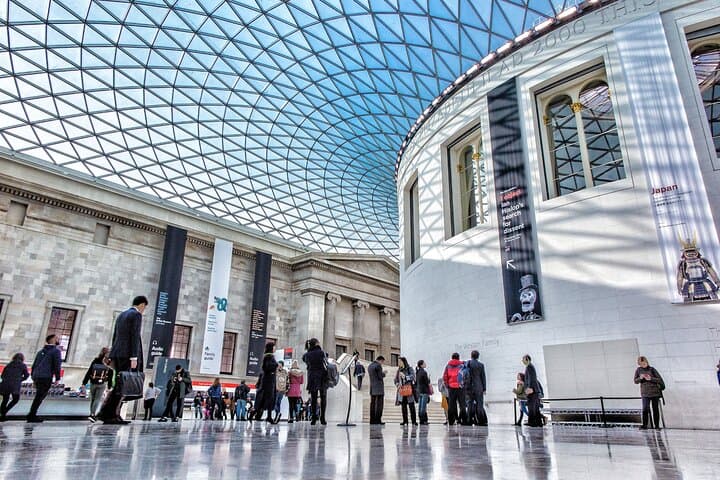
The British Museum traces to Sir Hans Sloane’s collection (mid-18th century) and has expanded into galleries that chart human history from Ancient Egypt and Rome to the Pacific islands. The building itself bears Victorian masonry and 19th-century galleries where natural light frames objects that have survived salt, sun and soil. Cultural context matters here: many pieces carry colonial histories and ongoing conversations about provenance and repatriation.
Practical rhythm matters as much as the stories. Expect roughly 2.5 hours of steady walking on polished floors, occasional stairs and crowded rooms. Highlights usually include the Rosetta Stone, Sutton Hoo helmet, Parthenon marbles and the Enlightenment Gallery, but guides tailor stops to group interests.
Plan for early or late slots to avoid peak crowds, travel light to speed security checks, and bring a charged phone for reference images rather than long photography sessions. Wear sensible shoes; the tour is low-impact but active. Listen for contextual threads—political, archaeological and curatorial—that tie individual objects into broader human stories, and leave time after the tour to revisit a favorite case at your own pace.
easy.
2–3 hours.
Suitable for all fitness levels; requires standing and walking on hard floors for the duration.
Full refund is available if you cancel at least 24 hours before the scheduled start time; inside 24 hours tickets are non-refundable.
Photography is generally allowed for most objects without flash, but your guide may request no photos in specific cases—follow signage and guide instructions.
The museum provides step-free access and lifts; staff can assist but some historic galleries have limited wheelchair access—notify the operator of special requirements when booking.
Groups are limited to a maximum of six participants per guide and the tour is fully guided, covering key collections like Ancient Egypt, Parthenon Marbles and Sutton Hoo within approximately 150 minutes.
Founded from Sir Hans Sloane’s 1753 collection, the British Museum opened to the public in the mid-18th century and became a model for national museums.
The museum maintains strict conservation practices—controlled light, humidity and handling—to preserve fragile artifacts, and is active in public debates about provenance and repatriation.
LivTours operates guided outdoor trips and adventures with an emphasis on safety, stewardship, and memorable experiences.
You step through a heavy glass door and the noise of Bloomsbury filters away; the gallery’s cool air meets you as centuries of human making line the aisles. In a group capped at six, the guide moves with purpose — pausing at the Rosetta Stone where carved scripts dare you to read past the surface, then leading you toward the Parthenon marbles whose fractured edges still hold the argument of antiquity.
You step through a heavy glass door and the noise of Bloomsbury filters away; the gallery’s cool air meets you as centuries of human making line the aisles. In a group capped at six, the guide moves with purpose — pausing at the Rosetta Stone where carved scripts dare you to read past the surface, then leading you toward the Parthenon marbles whose fractured edges still hold the argument of antiquity.
The British Museum traces to Sir Hans Sloane’s collection (mid-18th century) and has expanded into galleries that chart human history from Ancient Egypt and Rome to the Pacific islands. The building itself bears Victorian masonry and 19th-century galleries where natural light frames objects that have survived salt, sun and soil. Cultural context matters here: many pieces carry colonial histories and ongoing conversations about provenance and repatriation.
Practical rhythm matters as much as the stories. Expect roughly 2.5 hours of steady walking on polished floors, occasional stairs and crowded rooms. Highlights usually include the Rosetta Stone, Sutton Hoo helmet, Parthenon marbles and the Enlightenment Gallery, but guides tailor stops to group interests.
Plan for early or late slots to avoid peak crowds, travel light to speed security checks, and bring a charged phone for reference images rather than long photography sessions. Wear sensible shoes; the tour is low-impact but active. Listen for contextual threads—political, archaeological and curatorial—that tie individual objects into broader human stories, and leave time after the tour to revisit a favorite case at your own pace.