THE ADVENTURE COLLECTIVE® · Independent discovery and booking for outdoor travel

A full-day drive from Ulaanbaatar takes you to Elsen Tasarkhai’s small sand dunes, a nomad homestay, and Khustai National Park to see reintroduced Przewalski horses. Expect a mix of short hikes, camel riding, and wildlife viewing on a 9–10 hour outing.
A full-day drive from Ulaanbaatar takes you to Elsen Tasarkhai’s small sand dunes, a nomad homestay, and Khustai National Park to see reintroduced Przewalski horses. Expect a mix of short hikes, camel riding, and wildlife viewing on a 9–10 hour outing.
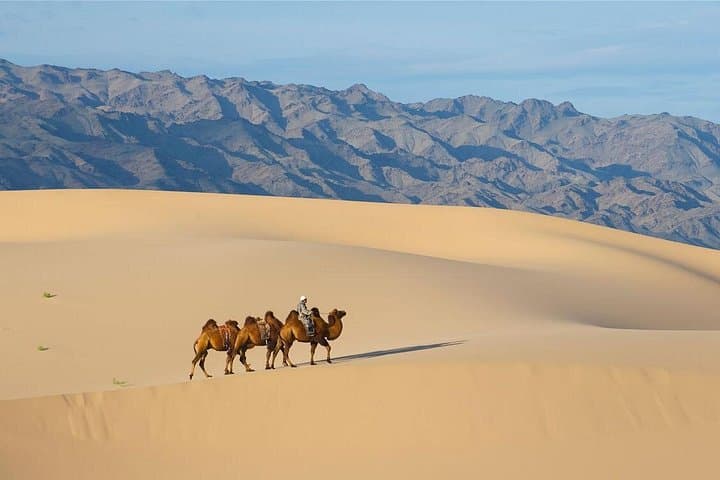
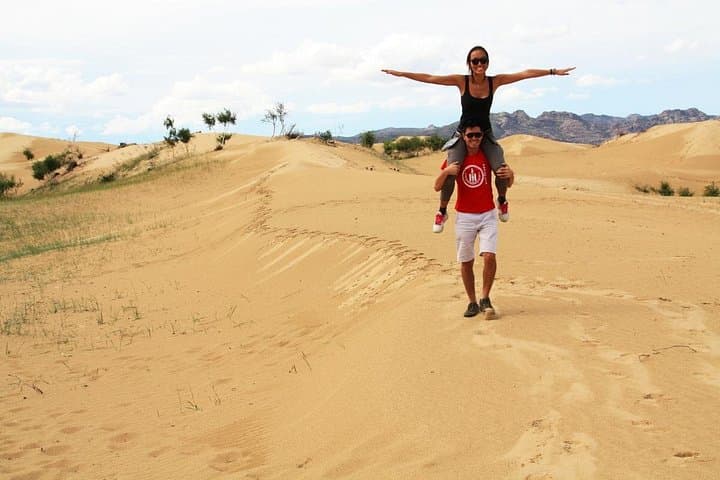
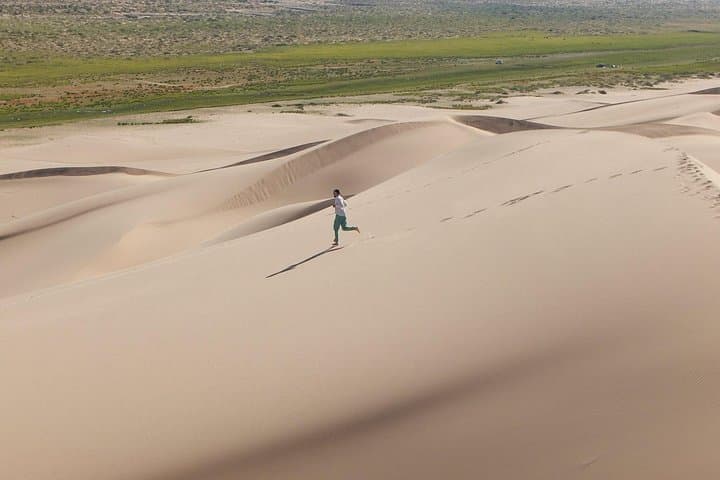
You step out of the van into wind-scoured light: low, dun-colored ridges cut against a wide sky and sand slides whisper underfoot as the dunes of Elsen Tasarkhai test your balance and boots. The air here moves like a guide—cool in morning, insistent by noon—pushing you toward a narrow crest for a clear view across semi-desert plains where small scrub and grass stubbornly hold on.
Verified experiences and guided adventures in the surrounding area.
Operated by Amazing Mongolia · Ulaanbaatar, Ulaanbaatar
You step out of the van into wind-scoured light: low, dun-colored ridges cut against a wide sky and sand slides whisper underfoot as the dunes of Elsen Tasarkhai test your balance and boots. The air here moves like a guide—cool in morning, insistent by noon—pushing you toward a narrow crest for a clear view across semi-desert plains where small scrub and grass stubbornly hold on.
Geology here records a slow aridity: folded terraces, wind-polished sand, and gravel that mark the Gobi’s eastern reach. Khustai’s rolling steppes, a short drive away, are a different chapter—open grasslands that supported humans and horses for millennia and now shelter reintroduced Przewalski’s horses, descendants of wild herds last century.
Culture threads through the day: a visit with a nomad family introduces felt, boiled milk tea, and the pragmatic rhythms of pastoral life. Locals balance tradition with modern connections—ger stoves and satellite dishes coexist; horses remain central to identity and mobility.
Practical guidance: this is a long day (roughly 9–10 hours) of driving, short hikes, and a camel or horse ride option. Expect dusty trails, sudden wind, and strong sun; dress in layers, bring sun protection and at least 1.5 liters of water. Wildlife sightings—Przewalski horses, red deer, marmots—are best early or late in the day; a telephoto lens or binoculars improves chances.
Logistics: pickup is typically in Ulaanbaatar; meals are provided en route. Mobility is generally easy but uneven terrain and camel riding favor basic balance and comfort with brief outdoor activity.
easy.
9–10 hours.
Suitable for travelers with basic fitness—short hikes, camel/horse ride options, and long vehicle transfers.
The tour runs about 9–10 hours; pickup is typically early morning from hotels in Ulaanbaatar—confirm your exact time with the operator.
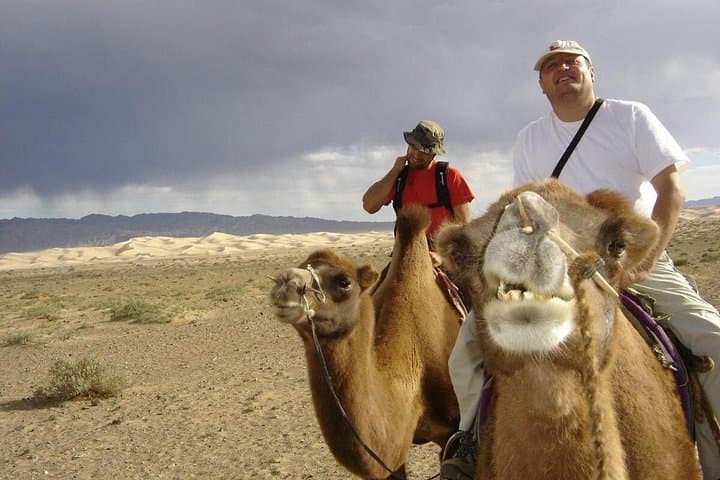
A camel or horse ride at Elsen Tasarkhai is offered as part of the day; duration is usually a couple of hours combined with walking time.
Sightings in Khustai National Park are common but not guaranteed; early morning or late afternoon increases chances and guides know local herd areas.
The tour is generally family-friendly but involves uneven terrain and camel riding; guests with significant mobility issues should consult the operator about accessibility and vehicle options.
Khustai National Park was established to protect the last wild Przewalski horses and supports reintroduction efforts; nomadic herding has shaped these grasslands for centuries.
Tourism supports conservation in Khustai—stay on designated tracks, avoid feeding wildlife, and follow guide instructions to minimize disturbance.
Amazing Mongolia operates guided outdoor trips and adventures with an emphasis on safety, stewardship, and memorable experiences.
You step out of the van into wind-scoured light: low, dun-colored ridges cut against a wide sky and sand slides whisper underfoot as the dunes of Elsen Tasarkhai test your balance and boots. The air here moves like a guide—cool in morning, insistent by noon—pushing you toward a narrow crest for a clear view across semi-desert plains where small scrub and grass stubbornly hold on.
You step out of the van into wind-scoured light: low, dun-colored ridges cut against a wide sky and sand slides whisper underfoot as the dunes of Elsen Tasarkhai test your balance and boots. The air here moves like a guide—cool in morning, insistent by noon—pushing you toward a narrow crest for a clear view across semi-desert plains where small scrub and grass stubbornly hold on.
Geology here records a slow aridity: folded terraces, wind-polished sand, and gravel that mark the Gobi’s eastern reach. Khustai’s rolling steppes, a short drive away, are a different chapter—open grasslands that supported humans and horses for millennia and now shelter reintroduced Przewalski’s horses, descendants of wild herds last century.
Culture threads through the day: a visit with a nomad family introduces felt, boiled milk tea, and the pragmatic rhythms of pastoral life. Locals balance tradition with modern connections—ger stoves and satellite dishes coexist; horses remain central to identity and mobility.
Practical guidance: this is a long day (roughly 9–10 hours) of driving, short hikes, and a camel or horse ride option. Expect dusty trails, sudden wind, and strong sun; dress in layers, bring sun protection and at least 1.5 liters of water. Wildlife sightings—Przewalski horses, red deer, marmots—are best early or late in the day; a telephoto lens or binoculars improves chances.
Logistics: pickup is typically in Ulaanbaatar; meals are provided en route. Mobility is generally easy but uneven terrain and camel riding favor basic balance and comfort with brief outdoor activity.