THE ADVENTURE COLLECTIVE® · Independent discovery and booking for outdoor travel

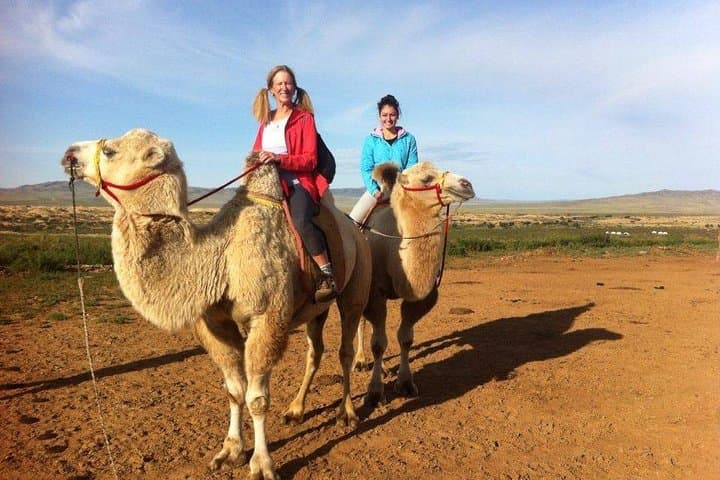
Spend a full day outside Ulaanbaatar where steppe meets desert: climb sandy ridges, ride a camel or horse, and meet local herders. This focused Semi-Gobi tour offers river views, lunch, and accessible dune walks for travelers with moderate fitness.
Spend a full day outside Ulaanbaatar where steppe meets desert: climb sandy ridges, ride a camel or horse, and meet local herders. This focused Semi-Gobi tour offers river views, lunch, and accessible dune walks for travelers with moderate fitness.
You leave Ulaanbaatar before dawn and the city loosens its hold: asphalt thins, the horizon opens and dunes begin to rise like slow waves against a backdrop of rocky ridges. The sand here pushes up in long, sun-scoured lips while a narrow river threads between scrub and poplar, daring you to follow its cooler shade.
Verified experiences and guided adventures in the surrounding area.
Operated by Travel Mongolia · Ulaanbaatar, Ulaanbaatar
You leave Ulaanbaatar before dawn and the city loosens its hold: asphalt thins, the horizon opens and dunes begin to rise like slow waves against a backdrop of rocky ridges. The sand here pushes up in long, sun-scoured lips while a narrow river threads between scrub and poplar, daring you to follow its cooler shade.
The Semi-Gobi sits where steppe meets true desert — wind-driven sand builds over older alluvial fans from the surrounding mountains. For centuries the corridor has supported nomadic herders whose seasonal moves shaped the landscape; remnants of campsites and occasional earthworks hint at human use stretching back along regional caravan and pastoral routes.
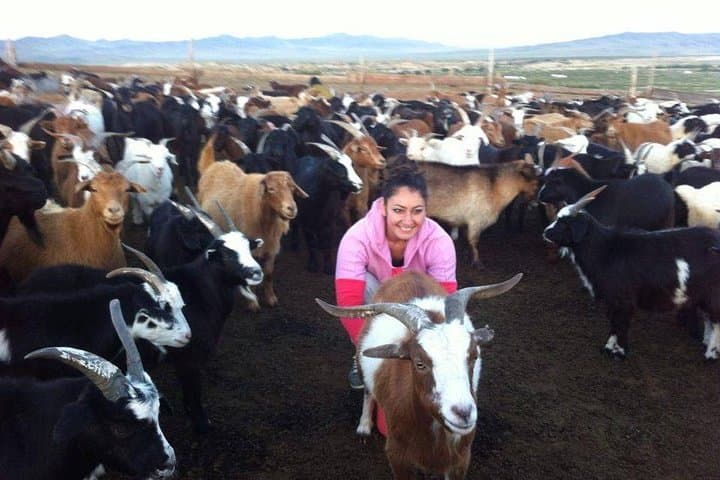
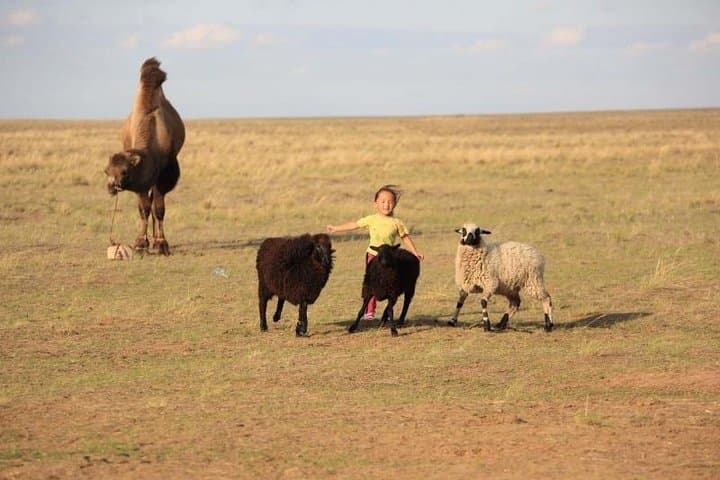
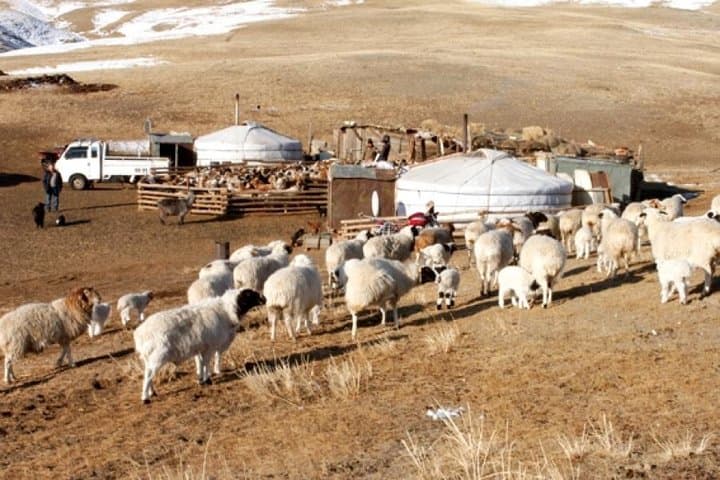
Culturally the day tour is straightforward: a local driver/guide steers you to sheltered viewing points, you’ll meet herders or stop at a ger or two, and you can choose a camel or horse for a short ride across the dunes. Geology is plain to see — grains of quartz and feldspar catching the sun, dune faces cresting and slipping with each gust.
Practical guidance: expect an 8–11 hour day with several short walks on loose sand and flat road transfers. Bring closed shoes for walking on grit, layered clothing for wind and shade, plenty of water and sun protection, and a small amount of local cash for souvenirs or tips. Photography is excellent at low angles — shoot the dunes in late afternoon for strong shapes, or take sunrise for long shadows that reveal contour and scale. The tour is accessible for most people with moderate fitness; avoid long rides if you have back problems. Respect grazing areas, follow your guide’s route, and carry out any trash to keep this fragile semi-desert intact.
moderate.
8–11 hours.
Suitable for people with moderate fitness; involves short walks on loose sand and vehicle transfers.
The tour runs about 8–11 hours from Ulaanbaatar and includes transportation, a local guide/driver, lunch, and one complimentary short camel or horseback ride.
Children can join but must be accompanied by an adult; animals are handled for short rides and guides assess suitability — novice riders may prefer camels for a steadier seat.
The operator lists accessibility for certain portions (vehicle access for most guests) but dune walks and animal rides are not suited for wheelchair users; check pickup logistics in advance.
Dress in layers with sun protection; temperatures swing widely and wind can be strong — closed shoes and a wind layer are recommended.
The corridor between Ulaanbaatar and the Semi-Gobi has long been used by nomadic herders and formed a practical route for regional trade and seasonal movement.
The semi-desert is sensitive to vehicle tracks and unchecked camping; stick to established routes, respect grazing lands, and minimize waste to protect fragile soils.
Travel Mongolia operates guided outdoor trips and adventures with an emphasis on safety, stewardship, and memorable experiences.
You leave Ulaanbaatar before dawn and the city loosens its hold: asphalt thins, the horizon opens and dunes begin to rise like slow waves against a backdrop of rocky ridges. The sand here pushes up in long, sun-scoured lips while a narrow river threads between scrub and poplar, daring you to follow its cooler shade.
You leave Ulaanbaatar before dawn and the city loosens its hold: asphalt thins, the horizon opens and dunes begin to rise like slow waves against a backdrop of rocky ridges. The sand here pushes up in long, sun-scoured lips while a narrow river threads between scrub and poplar, daring you to follow its cooler shade.
The Semi-Gobi sits where steppe meets true desert — wind-driven sand builds over older alluvial fans from the surrounding mountains. For centuries the corridor has supported nomadic herders whose seasonal moves shaped the landscape; remnants of campsites and occasional earthworks hint at human use stretching back along regional caravan and pastoral routes.
Culturally the day tour is straightforward: a local driver/guide steers you to sheltered viewing points, you’ll meet herders or stop at a ger or two, and you can choose a camel or horse for a short ride across the dunes. Geology is plain to see — grains of quartz and feldspar catching the sun, dune faces cresting and slipping with each gust.
Practical guidance: expect an 8–11 hour day with several short walks on loose sand and flat road transfers. Bring closed shoes for walking on grit, layered clothing for wind and shade, plenty of water and sun protection, and a small amount of local cash for souvenirs or tips. Photography is excellent at low angles — shoot the dunes in late afternoon for strong shapes, or take sunrise for long shadows that reveal contour and scale. The tour is accessible for most people with moderate fitness; avoid long rides if you have back problems. Respect grazing areas, follow your guide’s route, and carry out any trash to keep this fragile semi-desert intact.