THE ADVENTURE COLLECTIVE® · Independent discovery and booking for outdoor travel

Encounter semi‑wild orangutans on a concise, educational visit to Semenggoh Wildlife Centre just outside Kuching. Learn practical tips for timing, transport, and what to expect when the animals come to feed.
Encounter semi‑wild orangutans on a concise, educational visit to Semenggoh Wildlife Centre just outside Kuching. Learn practical tips for timing, transport, and what to expect when the animals come to feed.
You step out of the air‑conditioned van into humid understory air; the forest around Semenggoh immediately feels alive, leaves whispering and distant calls threading through the canopy. The feeding platform sits just beyond a short trail—when the orangutans come, they move with deliberate curiosity, swinging into view and inspecting the world that once held them captive.
Verified experiences and guided adventures in the surrounding area.
Operated by Asni Tours & Travel (M) Sdn Bhd · Kuching, Sarawak
You step out of the air‑conditioned van into humid understory air; the forest around Semenggoh immediately feels alive, leaves whispering and distant calls threading through the canopy. The feeding platform sits just beyond a short trail—when the orangutans come, they move with deliberate curiosity, swinging into view and inspecting the world that once held them captive.
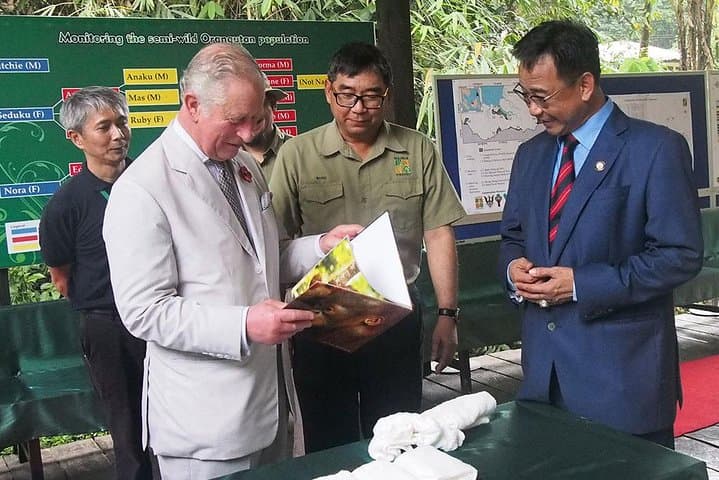
Semenggoh began in 1975 as a rehabilitation focus for injured and orphaned orangutans and remains one of Sarawak’s most important primate conservation sites. The reserve sits on coastal Bornean lowland—old river terraces and soft sedimentary soils under a tropical rainforest canopy that supports fruiting trees crucial to orangutan diets. Local Iban and Malay communities around Kuching have long interacted with the forest, and the centre’s interpretation area frames both natural history and the human stories that shape protection efforts.
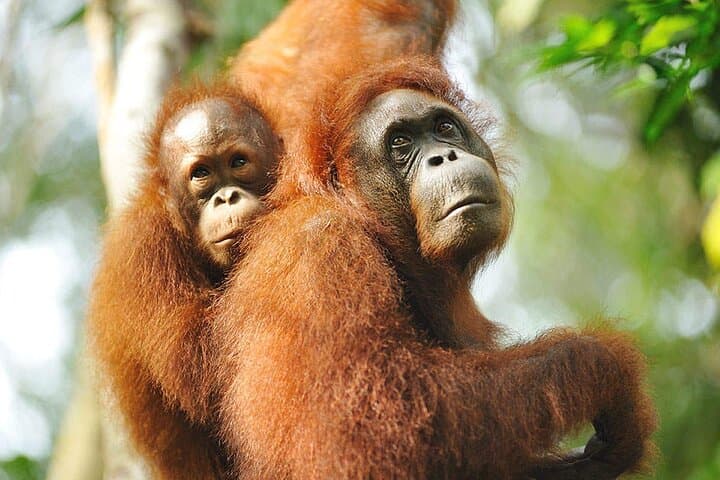
Visits are short and purposeful: two feeding sessions (about 09:00 and 15:00) bookend a visit that’s as much about observation and learning as photography. Expect muddy trails after rain, sudden shafts of light through the canopy, and the occasional infant peering from a mother’s embrace. Guides will explain why sometimes no orangutans appear—fruiting trees in the wider forest can draw them away, which is actually a good sign of successful rewilding.
Practical guidance: arrive early, wear closed shoes and insect repellent, and keep a respectful distance—no touching or baiting. The centre runs on limited funds and visitor income; follow signage, carry out litter, and consider donating or buying educational materials to support ongoing rehabilitation.
easy.
2–3 hours.
Suitable for most fitness levels; requires short, flat to mildly uneven walking on forest trails.
Semenggoh typically schedules feedings at about 09:00 and 15:00; times can vary slightly, so confirm locally and arrive early.
No — contact is not permitted; caretakers manage feedings and maintain distance to protect both humans and animals.
Most visitors use a shared tour or hotel transfer; Semenggoh is roughly a 30–45 minute drive from Kuching city centre depending on traffic.
Yes — the centre is family‑friendly and stroller accessible on viewing areas, but children should be supervised and kept quiet around wildlife.
Established in 1975 as a rehabilitation site for injured and orphaned orangutans, Semenggoh has been a focal point for primate conservation in Sarawak and a model for reintroduction work.
Visitor income supports rehabilitation and monitoring; follow centre rules, avoid single‑use plastics, and consider donating to aid ongoing care and habitat protection.
Asni Tours & Travel (M) Sdn Bhd operates guided outdoor trips and adventures with an emphasis on safety, stewardship, and memorable experiences.
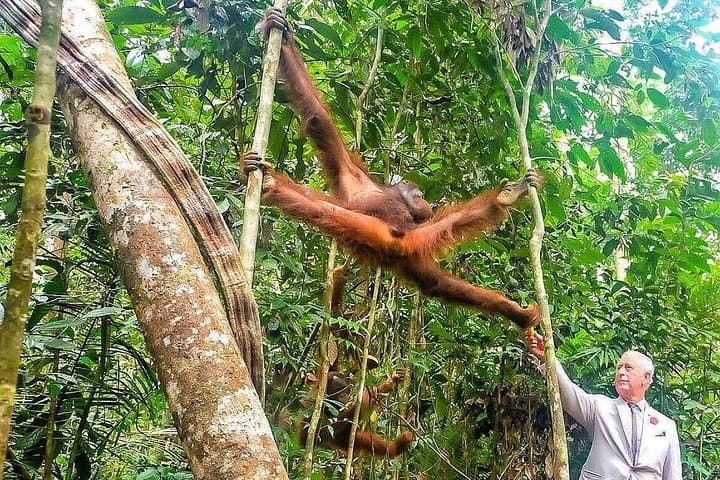
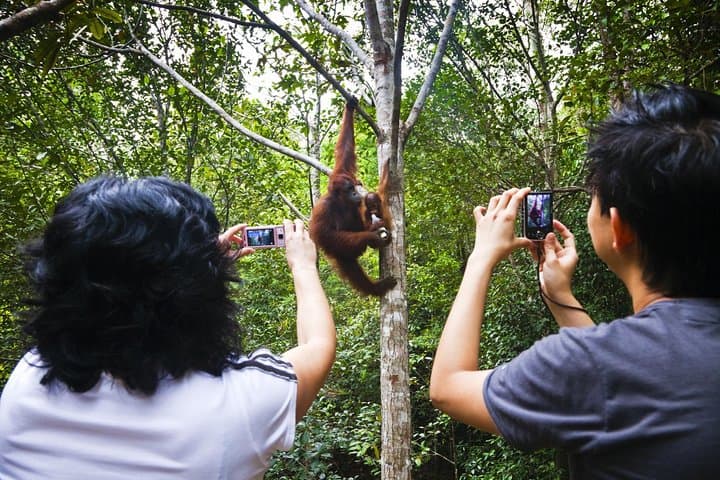
You step out of the air‑conditioned van into humid understory air; the forest around Semenggoh immediately feels alive, leaves whispering and distant calls threading through the canopy. The feeding platform sits just beyond a short trail—when the orangutans come, they move with deliberate curiosity, swinging into view and inspecting the world that once held them captive.
You step out of the air‑conditioned van into humid understory air; the forest around Semenggoh immediately feels alive, leaves whispering and distant calls threading through the canopy. The feeding platform sits just beyond a short trail—when the orangutans come, they move with deliberate curiosity, swinging into view and inspecting the world that once held them captive.
Semenggoh began in 1975 as a rehabilitation focus for injured and orphaned orangutans and remains one of Sarawak’s most important primate conservation sites. The reserve sits on coastal Bornean lowland—old river terraces and soft sedimentary soils under a tropical rainforest canopy that supports fruiting trees crucial to orangutan diets. Local Iban and Malay communities around Kuching have long interacted with the forest, and the centre’s interpretation area frames both natural history and the human stories that shape protection efforts.
Visits are short and purposeful: two feeding sessions (about 09:00 and 15:00) bookend a visit that’s as much about observation and learning as photography. Expect muddy trails after rain, sudden shafts of light through the canopy, and the occasional infant peering from a mother’s embrace. Guides will explain why sometimes no orangutans appear—fruiting trees in the wider forest can draw them away, which is actually a good sign of successful rewilding.
Practical guidance: arrive early, wear closed shoes and insect repellent, and keep a respectful distance—no touching or baiting. The centre runs on limited funds and visitor income; follow signage, carry out litter, and consider donating or buying educational materials to support ongoing rehabilitation.