THE ADVENTURE COLLECTIVE® · Independent discovery and booking for outdoor travel

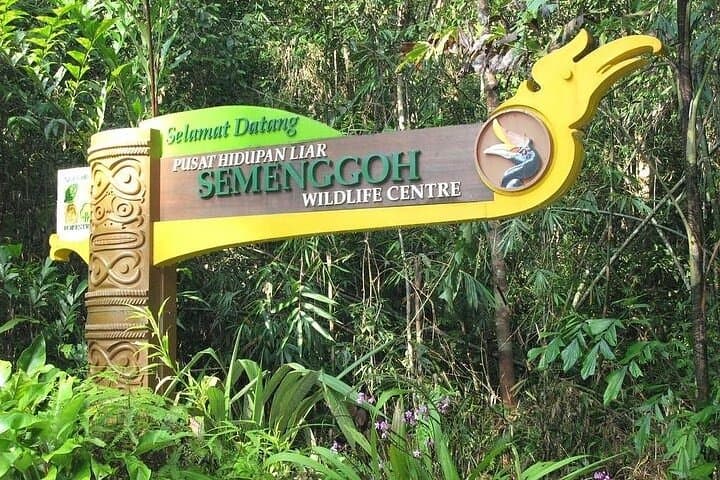
Spend a focused half-day at Semenggoh Wildlife Centre where rehabilitated orangutans return for feeding and visitors learn about conservation up close. This practical guide covers what to expect, local context, and how to prepare for a responsible visit.
Spend a focused half-day at Semenggoh Wildlife Centre where rehabilitated orangutans return for feeding and visitors learn about conservation up close. This practical guide covers what to expect, local context, and how to prepare for a responsible visit.
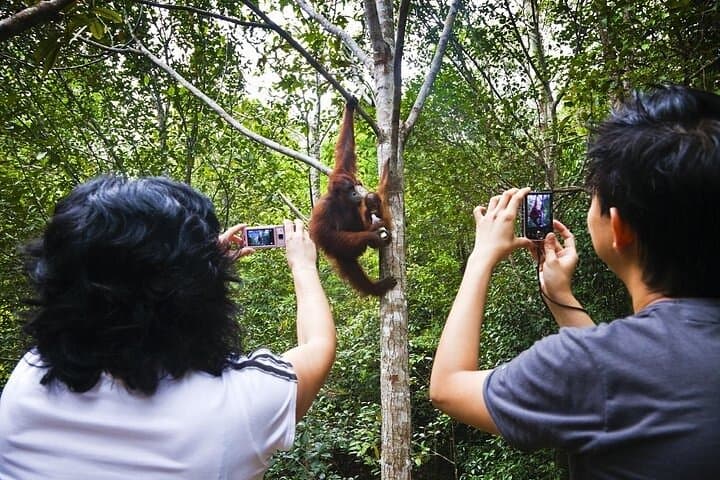
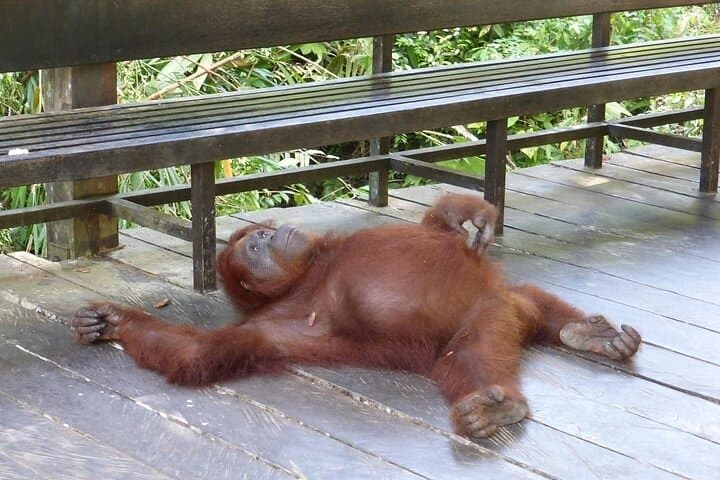
You arrive through a low canopy of dipterocarp and fig trees, the air humid and heavy with the scent of wet leaf litter. The forest here moves in slow, deliberate rhythms; calls and rustles punctuate the quiet as you step toward the wooden feeding platform at Semenggoh Wildlife Centre. When an adolescent orangutan appears—hair catching the late light—it changes the tempo: curious eyes, a cautious shuffle, then the gentle reach for food handed out by keepers.
Verified experiences and guided adventures in the surrounding area.
Operated by OTN Experiences · Kuching, Sarawak
You arrive through a low canopy of dipterocarp and fig trees, the air humid and heavy with the scent of wet leaf litter. The forest here moves in slow, deliberate rhythms; calls and rustles punctuate the quiet as you step toward the wooden feeding platform at Semenggoh Wildlife Centre. When an adolescent orangutan appears—hair catching the late light—it changes the tempo: curious eyes, a cautious shuffle, then the gentle reach for food handed out by keepers.
Established in 1975, Semenggoh began as an orangutan rehabilitation station and remains one of Malaysia’s oldest sanctuaries dedicated to returning rescued or orphaned orangutans to independent life. The reserve sits on lowland mixed dipterocarp forest, a landscape shaped by ancient river terraces and a climate that keeps growth lush year-round. Local culture in Sarawak blends Malay, Iban, and Chinese influences; Kuching’s markets and museums provide context for local conservation efforts and the Centre’s role in regional wildlife recovery.
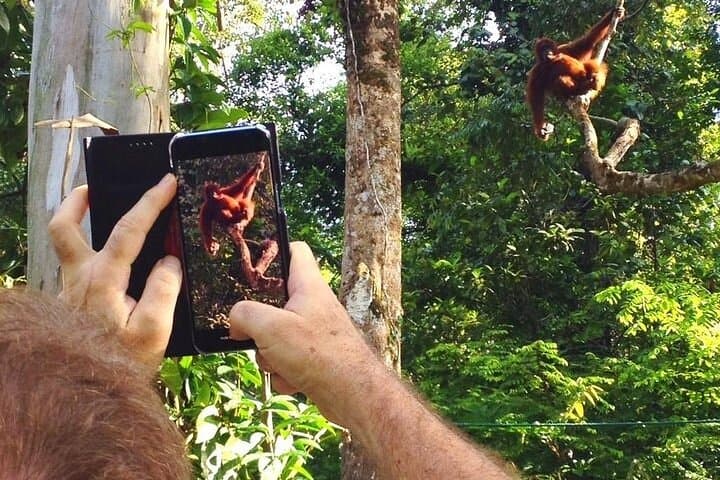
Practical guidance: visits are typically half-day sessions with two feeding times—check schedules and arrive early to avoid crowds. Trails are short but uneven; closed-toe shoes and insect repellent are recommended. Photography is allowed but keep noise low and stay behind barriers—these are semi-wild animals, not performers.
Plan for humid conditions, bring water and sun protection, and budget travel time from Kuching (about 30–45 minutes). A visit here is as much about watching a species reclaim its behavior as it is about witnessing a fragile ecosystem doing the work of recovery.
easy.
3 hours.
Suitable for most fitness levels; requires short walks on uneven, sometimes muddy trails and standing at viewing platforms.
There are two daily feedings (morning and mid-afternoon); arriving before scheduled times improves your chance to see orangutans come to the platform, though sightings aren’t guaranteed during fruiting seasons.
Most visits last about three hours including transfers; Semenggoh is approximately 30–45 minutes south of Kuching city center depending on traffic.
Orangutans at Semenggoh are semi‑wild: many were rehabilitated and released but return to the centre for supplemental feeding and monitoring; viewing is from designated platforms and paths.
The site is family-friendly and suitable for children, but some paths include steps and uneven ground; stroller access is possible in main areas but visitors with mobility concerns should check specifics with the centre in advance.
Semenggoh was established in 1975 as a rehabilitation center for orphaned and injured orangutans and has played a key role in reintroducing individuals into Sarawak’s wild forests.
Visits support conservation education and funding; follow centre rules, avoid feeding wildlife, and minimize single-use plastics to reduce human impact.
OTN Experiences operates guided outdoor trips and adventures with an emphasis on safety, stewardship, and memorable experiences.
You arrive through a low canopy of dipterocarp and fig trees, the air humid and heavy with the scent of wet leaf litter. The forest here moves in slow, deliberate rhythms; calls and rustles punctuate the quiet as you step toward the wooden feeding platform at Semenggoh Wildlife Centre. When an adolescent orangutan appears—hair catching the late light—it changes the tempo: curious eyes, a cautious shuffle, then the gentle reach for food handed out by keepers.
You arrive through a low canopy of dipterocarp and fig trees, the air humid and heavy with the scent of wet leaf litter. The forest here moves in slow, deliberate rhythms; calls and rustles punctuate the quiet as you step toward the wooden feeding platform at Semenggoh Wildlife Centre. When an adolescent orangutan appears—hair catching the late light—it changes the tempo: curious eyes, a cautious shuffle, then the gentle reach for food handed out by keepers.
Established in 1975, Semenggoh began as an orangutan rehabilitation station and remains one of Malaysia’s oldest sanctuaries dedicated to returning rescued or orphaned orangutans to independent life. The reserve sits on lowland mixed dipterocarp forest, a landscape shaped by ancient river terraces and a climate that keeps growth lush year-round. Local culture in Sarawak blends Malay, Iban, and Chinese influences; Kuching’s markets and museums provide context for local conservation efforts and the Centre’s role in regional wildlife recovery.
Practical guidance: visits are typically half-day sessions with two feeding times—check schedules and arrive early to avoid crowds. Trails are short but uneven; closed-toe shoes and insect repellent are recommended. Photography is allowed but keep noise low and stay behind barriers—these are semi-wild animals, not performers.
Plan for humid conditions, bring water and sun protection, and budget travel time from Kuching (about 30–45 minutes). A visit here is as much about watching a species reclaim its behavior as it is about witnessing a fragile ecosystem doing the work of recovery.