THE ADVENTURE COLLECTIVE® · Independent discovery and booking for outdoor travel

Watch semi‑wild orangutans return to the forest at Semenggoh, then ride through Sarawak’s countryside to experience authentic Bidayuh longhouse life and bamboo‑cooked cuisine at Annah Rais. This half‑day combines wildlife viewing with cultural insight and local flavors.
Watch semi‑wild orangutans return to the forest at Semenggoh, then ride through Sarawak’s countryside to experience authentic Bidayuh longhouse life and bamboo‑cooked cuisine at Annah Rais. This half‑day combines wildlife viewing with cultural insight and local flavors.
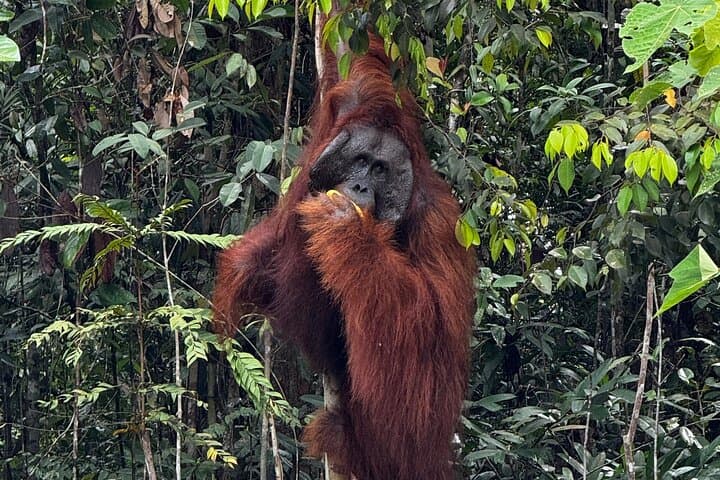
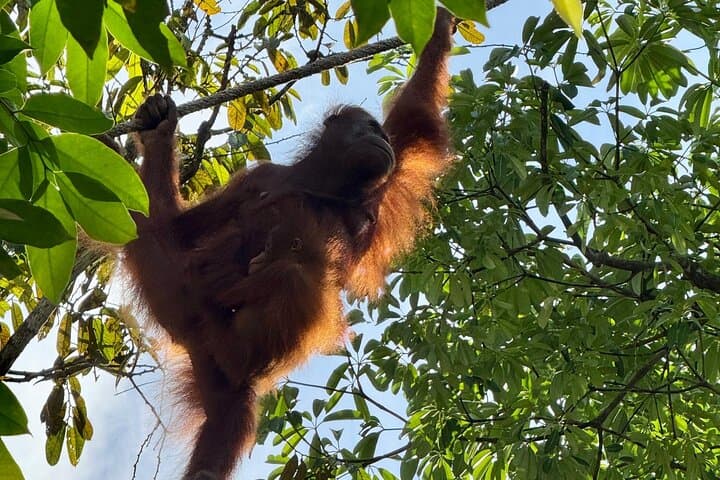
Morning light breaks through tall dipterocarp and keruing trees as you step from an air-conditioned van onto a muddy trail. The forest breathes around you; leaves whisper and a distant branch creaks as an orangutan moves among the canopy. At Semenggoh, semi-wild orangutans—once rescued and now rehabilitated—may appear for scheduled feedings, pausing on branches to regard visitors with deliberate curiosity.
Verified experiences and guided adventures in the surrounding area.
Operated by AJ Borneo Tours & Travels · Kuching, Sarawak
Morning light breaks through tall dipterocarp and keruing trees as you step from an air-conditioned van onto a muddy trail. The forest breathes around you; leaves whisper and a distant branch creaks as an orangutan moves among the canopy. At Semenggoh, semi-wild orangutans—once rescued and now rehabilitated—may appear for scheduled feedings, pausing on branches to regard visitors with deliberate curiosity.
Semenggoh was established in the 1970s as part of Sarawak’s effort to return displaced orangutans to the wild; the surrounding lowland rainforest sits atop ancient alluvial plains carved by rivers that still shape local agriculture. After the wildlife encounter, the drive to Annah Rais cuts through paddy fields and rubber groves. The Bidayuh longhouse there preserves traditional bamboo architecture and customs: expect to be offered tuak (rice wine) and shown how bamboo frames and stilted layouts respond to both climate and community life.
Practical guidance: the combined trip runs about six hours with roughly two hours at each site and a 45-minute scenic drive between them. Footing at Semenggoh is uneven and often wet—wear grippy shoes and bring rain protection. Respect viewing distances, follow ranger instructions, and keep voices low to avoid stressing animals. At Annah Rais, accept invitations to sit on the communal verandah for bamboo chicken and jungle greens; photography is welcome but ask before shooting portraits of villagers.
Timing a visit for the drier months increases sighting odds; bring insect repellent, a refillable bottle, and an openness to slow, observational travel.
easy.
6 hours.
Suitable for most fitness levels; requires short standing periods and short walks on uneven terrain.
Feedings typically take place in the morning and late afternoon; exact times vary seasonally so check with the centre or your guide before you go.
The longhouse has level communal verandahs but some paths and steps may be uneven; staff can often accommodate but contact the operator about specific accessibility needs.
Photography at Semenggoh is allowed but avoid flash and maintain distance; always ask permission before photographing people in the longhouse.
Lunch, including Ayam Pansuh (bamboo chicken), is provided; inform the operator of allergies or dietary restrictions during booking so alternatives can be arranged.
Semenggoh began as a rehabilitation centre in the 1970s to care for displaced and orphaned orangutans; Annah Rais preserves Bidayuh communal longhouse traditions and bamboo building techniques.
Responsible visitation supports rehabilitation and local livelihoods; follow center rules to minimize disturbance and reduce waste by avoiding single‑use plastics.
AJ Borneo Tours & Travels operates guided outdoor trips and adventures with an emphasis on safety, stewardship, and memorable experiences.
Morning light breaks through tall dipterocarp and keruing trees as you step from an air-conditioned van onto a muddy trail. The forest breathes around you; leaves whisper and a distant branch creaks as an orangutan moves among the canopy. At Semenggoh, semi-wild orangutans—once rescued and now rehabilitated—may appear for scheduled feedings, pausing on branches to regard visitors with deliberate curiosity.
Morning light breaks through tall dipterocarp and keruing trees as you step from an air-conditioned van onto a muddy trail. The forest breathes around you; leaves whisper and a distant branch creaks as an orangutan moves among the canopy. At Semenggoh, semi-wild orangutans—once rescued and now rehabilitated—may appear for scheduled feedings, pausing on branches to regard visitors with deliberate curiosity.
Semenggoh was established in the 1970s as part of Sarawak’s effort to return displaced orangutans to the wild; the surrounding lowland rainforest sits atop ancient alluvial plains carved by rivers that still shape local agriculture. After the wildlife encounter, the drive to Annah Rais cuts through paddy fields and rubber groves. The Bidayuh longhouse there preserves traditional bamboo architecture and customs: expect to be offered tuak (rice wine) and shown how bamboo frames and stilted layouts respond to both climate and community life.
Practical guidance: the combined trip runs about six hours with roughly two hours at each site and a 45-minute scenic drive between them. Footing at Semenggoh is uneven and often wet—wear grippy shoes and bring rain protection. Respect viewing distances, follow ranger instructions, and keep voices low to avoid stressing animals. At Annah Rais, accept invitations to sit on the communal verandah for bamboo chicken and jungle greens; photography is welcome but ask before shooting portraits of villagers.
Timing a visit for the drier months increases sighting odds; bring insect repellent, a refillable bottle, and an openness to slow, observational travel.