THE ADVENTURE COLLECTIVE® · Independent discovery and booking for outdoor travel

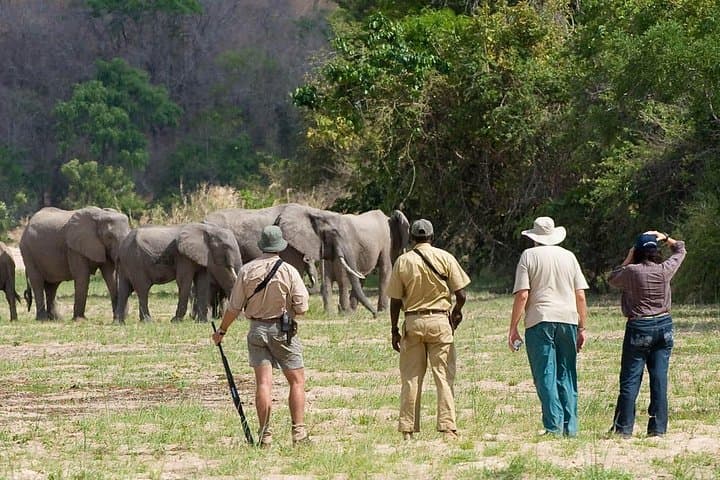
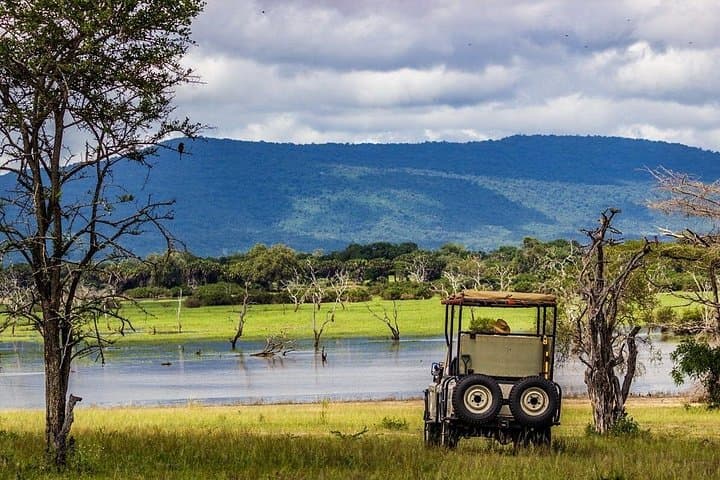
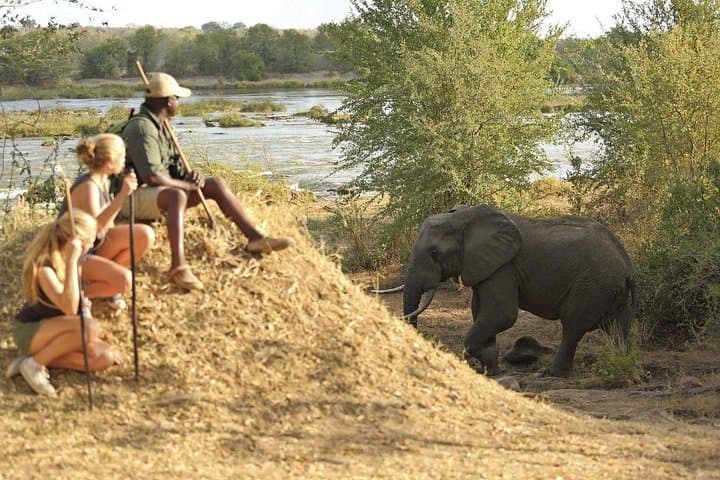
Four days in Selous means boat safaris on the Rufiji, morning walking safaris with an armed ranger, and full-day open-vehicle game drives. Expect elephants, wild dogs, and concentrated river wildlife in a remote, river-carved landscape.
Four days in Selous means boat safaris on the Rufiji, morning walking safaris with an armed ranger, and full-day open-vehicle game drives. Expect elephants, wild dogs, and concentrated river wildlife in a remote, river-carved landscape.
The Rufiji River catches the sun and throws it back in a bright path as your boat slides through reed-fringed channels; hippos grumble like old engines and fish eagles announce the current with high, deliberate cries.
Verified experiences and guided adventures in the surrounding area.
Operated by Wildtrip Safaris Tanzania · Rufiji, Pwani
The Rufiji River catches the sun and throws it back in a bright path as your boat slides through reed-fringed channels; hippos grumble like old engines and fish eagles announce the current with high, deliberate cries.
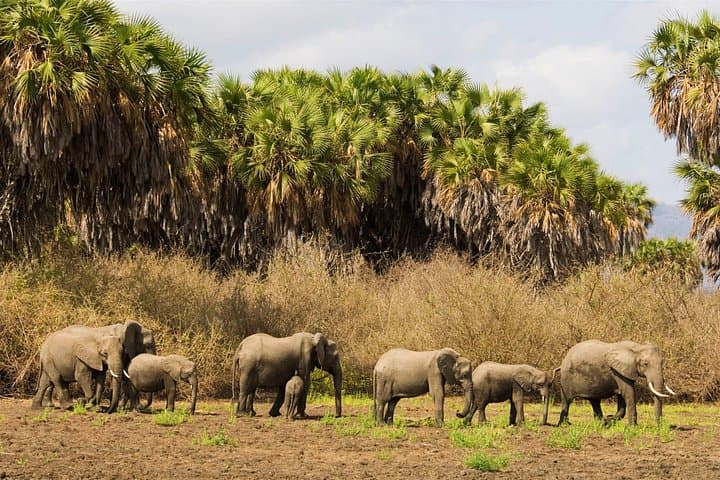
Selous Game Reserve (now Nyerere National Park in parts) is one of Africa’s largest protected areas, carved by seasonal floodplains and ancient granitic outcrops that shape wide grasslands and riverine forests. Named after Frederick Selous, the reserve has long combined hunting-era history with modern conservation; today its mosaic of channels and woodlands supports sizeable elephant herds, rare African wild dogs, and prolific birdlife.
Local communities around Rufiji and Kilwa have a culture built on riverine fishing and Swahili coastal trade; guides often share stories that connect paths and waterways to village life. Geologically, the landscape alternates between alluvial plains and exposed bedrock, creating predictable game corridors along water in the dry season.
Practically, this four-day itinerary balances boat safaris, open-vehicle game drives, and an armed walking safari for close but safe encounters. Expect early starts, long light-filled days, and basic tented or bush-camp comforts at night. Bring reusable water, layered sun protection, and a compact daypack for boat and walk transitions.
Timing matters: dry months concentrate wildlife along rivers, wet months bring lush scenery and excellent birding but can hinder road transfers. Travel here is about attention—to tracks, to birdsong, to the sudden hush when a predator lifts its head—an active, grounded way to meet East Africa’s wild river country.
moderate.
4 days.
Suitable for travelers in reasonable health; walking safaris require steady balance and the ability to walk 2–3 km over uneven ground.
Vaccination needs vary; yellow fever vaccination may be required if arriving from an endemic country and malaria prophylaxis is strongly recommended—check with a travel clinic well before departure.
Some camps and transfers advertise wheelchair access, but game drives and walking safaris require mobility; confirm vehicle and camp accessibility with the operator ahead of booking.
Common sightings include elephant, giraffe, zebra, buffalo, hippo from boats, and many bird species; predators like lions and wild dogs are possible but not guaranteed.
Yes—tipping is customary. Guides, drivers, and camp staff typically receive tips in TZS or USD; ask your operator for recommended amounts.
Selous was named for Frederick Selous, an early 20th-century hunter who later advocated conservation; the reserve has histories of both colonial-era hunting and modern protection efforts.
The area faces pressures from poaching and proposed development projects; responsible operators support monitoring, community benefits, and low-impact transport to minimize disturbance.
Wildtrip Safaris Tanzania operates guided outdoor trips and adventures with an emphasis on safety, stewardship, and memorable experiences.
The Rufiji River catches the sun and throws it back in a bright path as your boat slides through reed-fringed channels; hippos grumble like old engines and fish eagles announce the current with high, deliberate cries.
The Rufiji River catches the sun and throws it back in a bright path as your boat slides through reed-fringed channels; hippos grumble like old engines and fish eagles announce the current with high, deliberate cries.
Selous Game Reserve (now Nyerere National Park in parts) is one of Africa’s largest protected areas, carved by seasonal floodplains and ancient granitic outcrops that shape wide grasslands and riverine forests. Named after Frederick Selous, the reserve has long combined hunting-era history with modern conservation; today its mosaic of channels and woodlands supports sizeable elephant herds, rare African wild dogs, and prolific birdlife.
Local communities around Rufiji and Kilwa have a culture built on riverine fishing and Swahili coastal trade; guides often share stories that connect paths and waterways to village life. Geologically, the landscape alternates between alluvial plains and exposed bedrock, creating predictable game corridors along water in the dry season.
Practically, this four-day itinerary balances boat safaris, open-vehicle game drives, and an armed walking safari for close but safe encounters. Expect early starts, long light-filled days, and basic tented or bush-camp comforts at night. Bring reusable water, layered sun protection, and a compact daypack for boat and walk transitions.
Timing matters: dry months concentrate wildlife along rivers, wet months bring lush scenery and excellent birding but can hinder road transfers. Travel here is about attention—to tracks, to birdsong, to the sudden hush when a predator lifts its head—an active, grounded way to meet East Africa’s wild river country.