THE ADVENTURE COLLECTIVE® · Independent discovery and booking for outdoor travel

Fly from Zanzibar to Selous (Nyerere) for a concentrated day of game drives, river viewing, and a bush lunch in one of Tanzania’s largest wilderness areas. This one-day safari packs big wildlife sightings into a single, well-orchestrated outing.
Fly from Zanzibar to Selous (Nyerere) for a concentrated day of game drives, river viewing, and a bush lunch in one of Tanzania’s largest wilderness areas. This one-day safari packs big wildlife sightings into a single, well-orchestrated outing.
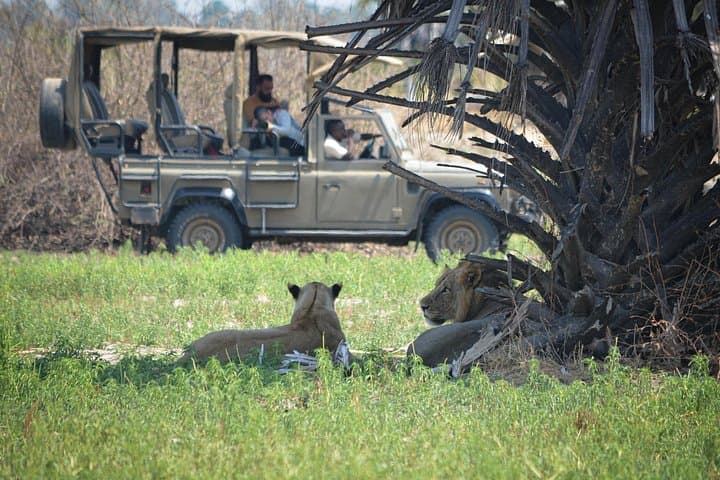
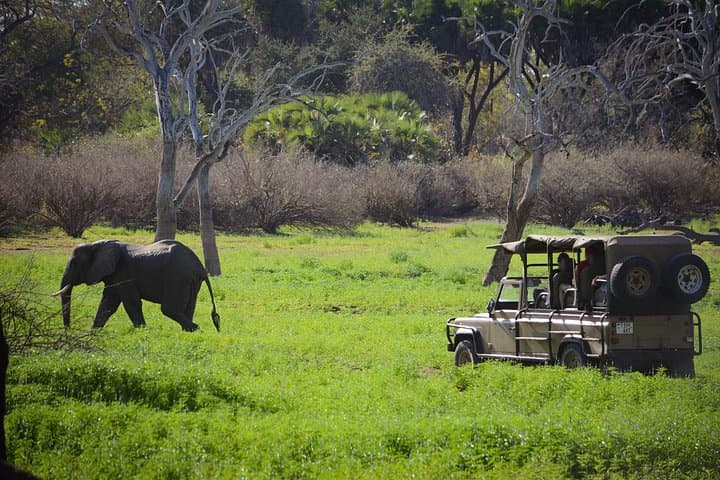
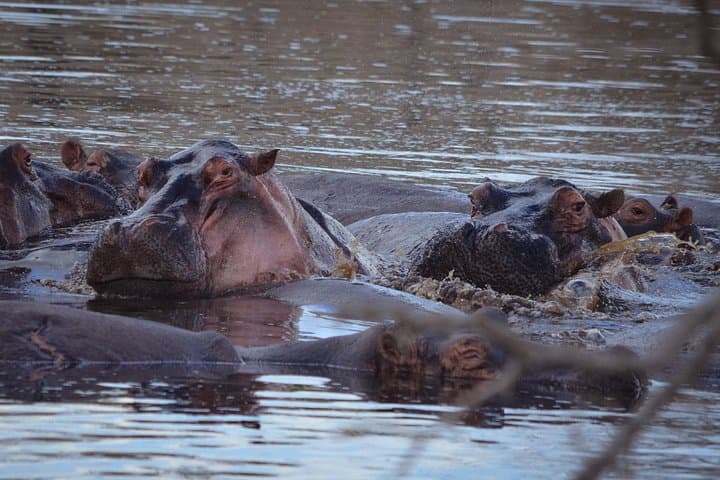
Dawn at Zanzibar airport is sharp and pragmatic — a quick check-in, a short hop over the channel, and within an hour the plane drops you onto a dusty airstrip at Selous. The Rufiji River greets you like a slow-moving highway: hippos bellowing, a line of elephants threading the floodplain, and a guide who reads the landscape the way sailors read a chart.
Verified experiences and guided adventures in the surrounding area.
Operated by Ocean Blue Holidays · Selous Game Reserve, Rufiji District, Pwani Region
Dawn at Zanzibar airport is sharp and pragmatic — a quick check-in, a short hop over the channel, and within an hour the plane drops you onto a dusty airstrip at Selous. The Rufiji River greets you like a slow-moving highway: hippos bellowing, a line of elephants threading the floodplain, and a guide who reads the landscape the way sailors read a chart.
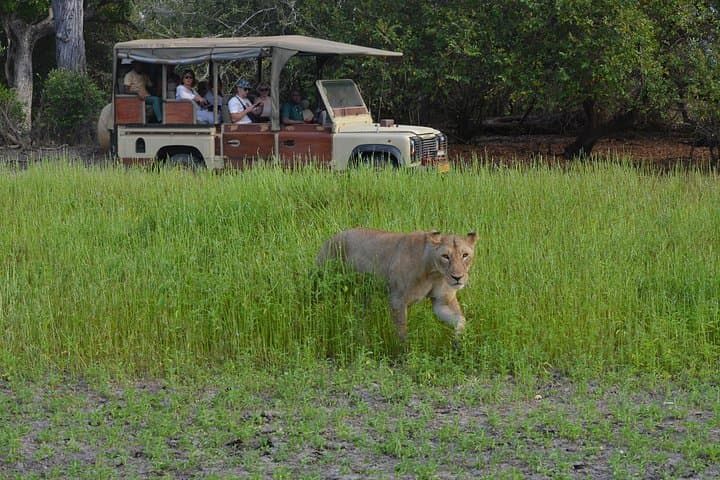
Selous (now part of Nyerere National Park) is one of Africa’s largest surviving wildernesses. Carved by the Rufiji’s meanders, the park alternates broad floodplain, riverine forest and scrub, creating habitat mosaics that support elephants, lion, buffalo, giraffe and dense birdlife. The area carries recent conservation history — shifting from hunting blocks to protected photographic zones — and local communities who depend on the river for fish and transport.
The one-day itinerary is compact: an air transfer, game drives with a professional guide, a bush lunch, and time for a river-side observation or short boat cruise depending on water levels. Expect long stretches of off-road track, sudden animal sightings, and photography windows at golden hour. Practicalities matter: bring neutral clothing, a sun hat, refillable water, and a good set of binoculars; pack light for the flight. Health-wise, carry insect repellent and any antimalarial medication recommended for Tanzania.
This trip prioritizes wildlife density and efficiency — it’s less about trekking and more about concentrated viewing. Arrive rested, keep your camera ready, and let the Rufiji’s slow current set the day’s rhythm.
easy.
9 hours.
No special fitness required; passengers should be comfortable sitting for several hours with short walks.
The charter flight is roughly 45–60 minutes each way, depending on weather and routing.
Yes — this tour includes park fees, a bush lunch, bottled water and return flights as listed in the itinerary.
Yes — most itineraries include views of the Rufiji floodplain and may include a short boat segment when water levels permit.
The day is vehicle-based with short, optional walks; it’s suitable for many with limited mobility but check specific assistance needs in advance.
The reserve was renamed Nyerere National Park in recent years and shifted from multiple-use hunting areas toward protected photographic tourism and conservation.
Selous faces pressures from illegal hunting and development; responsible operators support local conservation fees and community programs to reduce impact.
Ocean Blue Holidays operates guided outdoor trips and adventures with an emphasis on safety, stewardship, and memorable experiences.
Dawn at Zanzibar airport is sharp and pragmatic — a quick check-in, a short hop over the channel, and within an hour the plane drops you onto a dusty airstrip at Selous. The Rufiji River greets you like a slow-moving highway: hippos bellowing, a line of elephants threading the floodplain, and a guide who reads the landscape the way sailors read a chart.
Dawn at Zanzibar airport is sharp and pragmatic — a quick check-in, a short hop over the channel, and within an hour the plane drops you onto a dusty airstrip at Selous. The Rufiji River greets you like a slow-moving highway: hippos bellowing, a line of elephants threading the floodplain, and a guide who reads the landscape the way sailors read a chart.
Selous (now part of Nyerere National Park) is one of Africa’s largest surviving wildernesses. Carved by the Rufiji’s meanders, the park alternates broad floodplain, riverine forest and scrub, creating habitat mosaics that support elephants, lion, buffalo, giraffe and dense birdlife. The area carries recent conservation history — shifting from hunting blocks to protected photographic zones — and local communities who depend on the river for fish and transport.
The one-day itinerary is compact: an air transfer, game drives with a professional guide, a bush lunch, and time for a river-side observation or short boat cruise depending on water levels. Expect long stretches of off-road track, sudden animal sightings, and photography windows at golden hour. Practicalities matter: bring neutral clothing, a sun hat, refillable water, and a good set of binoculars; pack light for the flight. Health-wise, carry insect repellent and any antimalarial medication recommended for Tanzania.
This trip prioritizes wildlife density and efficiency — it’s less about trekking and more about concentrated viewing. Arrive rested, keep your camera ready, and let the Rufiji’s slow current set the day’s rhythm.