THE ADVENTURE COLLECTIVE® · Independent discovery and booking for outdoor travel

Walk Toledo’s Warehouse District on your own schedule with a GPS-guided audio tour. Explore adaptive-reuse architecture, public art, and local storefronts while learning the district’s industrial past and contemporary revival.
Walk Toledo’s Warehouse District on your own schedule with a GPS-guided audio tour. Explore adaptive-reuse architecture, public art, and local storefronts while learning the district’s industrial past and contemporary revival.
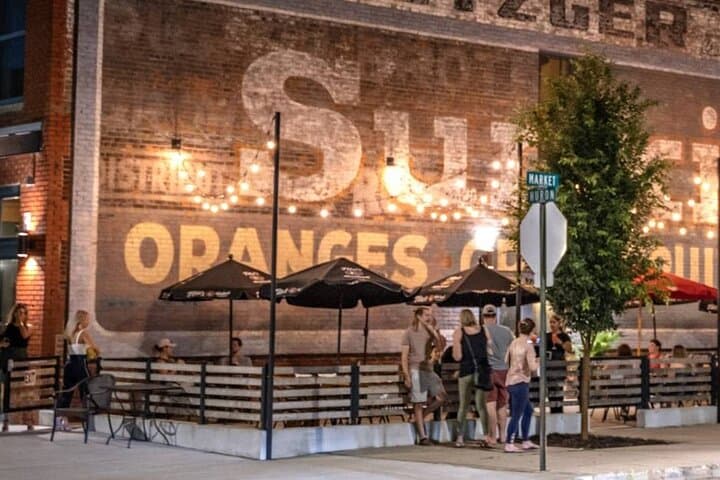
You step off the curb at Sam Okun Produce and the old brick faces of the Warehouse District rise like chapters in a ledger of industry. A distant freight whistle from the Maumee River seems to urge you forward, while painted signs, iron fire escapes, and repurposed loading docks keep score of time.
Verified experiences and guided adventures in the surrounding area.
Operated by VoiceMap Audio Tours · Toledo, Ohio
You step off the curb at Sam Okun Produce and the old brick faces of the Warehouse District rise like chapters in a ledger of industry. A distant freight whistle from the Maumee River seems to urge you forward, while painted signs, iron fire escapes, and repurposed loading docks keep score of time.
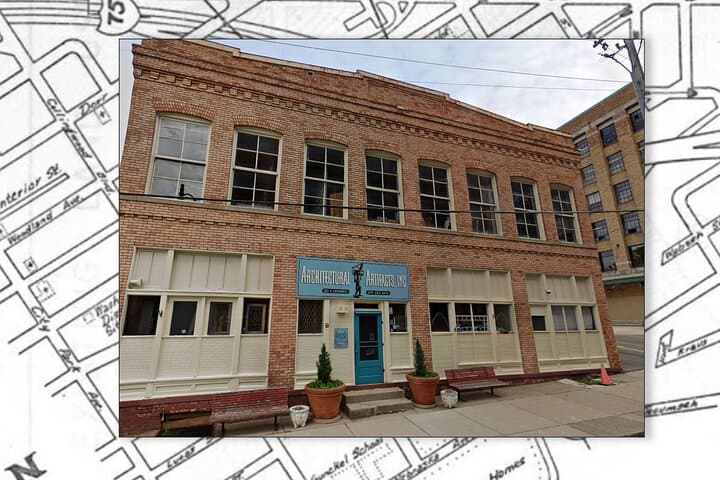
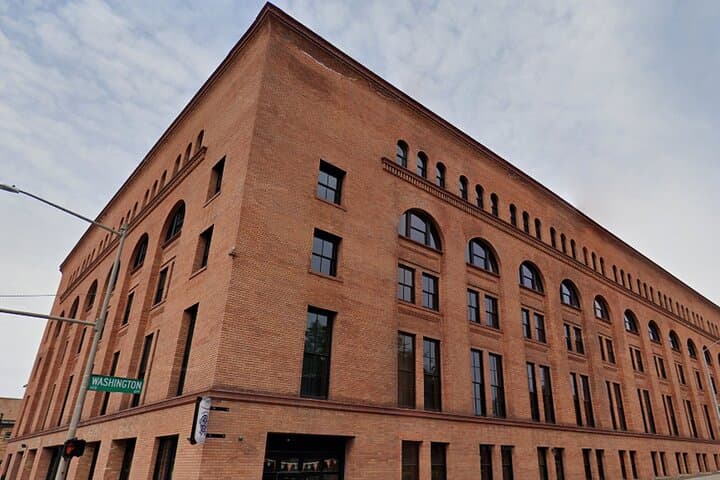
This walk threads 19th- and early-20th-century commercial architecture with the city’s revival: turn-of-the-century warehouses built for grain and glass trade, mid-century façades scarred by industry, and recent adaptive-reuse loft conversions. Geology plays a quiet role—the low, flat Maumee floodplain determined where docks and rails would sit—and the river’s presence shaped commerce and the district’s grid.
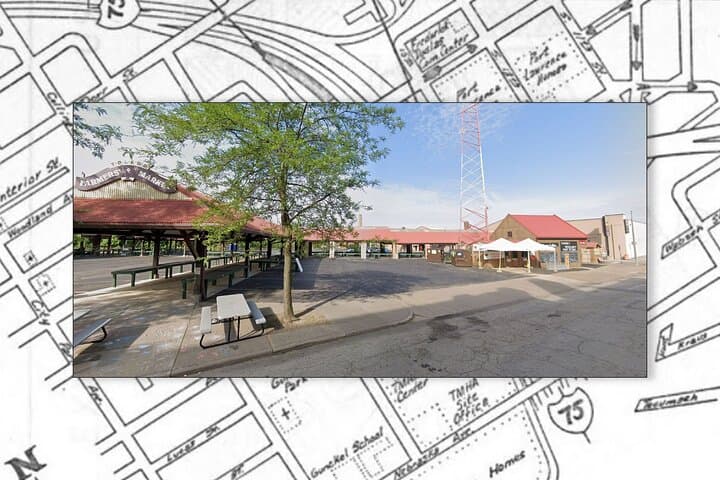
Culture here is active, not museum-quiet: cafes, glass studios, and murals animate façades that once received cargo by cart. You’ll pass the converted Spaghetti Warehouse and Fifth Third Field, both markers of the district’s pivot from freight to gathering. Local voices—shopkeepers, artisans, market vendors—layer contemporary narratives on top of industrial ones.
Practical guidance: the route takes about an hour and is predominantly flat, on sidewalks and crosswalks. Download the VoiceMap file and test it before you start; the tour uses GPS waypoints and works best when begun at the listed start. Bring comfortable walking shoes, a charged smartphone, and headphones—audio prompts include turn-by-turn directions and context so you can linger at storefronts or keep moving past busy blocks.
Timing matters: mornings are quieter for photos and historical listening; early evening brings the district’s active dining scene. Respect private property and watch for delivery trucks—this is still a working urban neighborhood.
easy.
50–70 minutes.
Accessible to most people who can walk for an hour on flat ground; intermittent standing for listening.
Check your booking email for the eight-character VoiceMap code, install the VoiceMap app, create an account, then enter the code under Tour Codes to download the audio and maps.
The route is largely on public sidewalks and mostly flat, but some blocks have curb cuts or temporary obstacles; accessibility may vary—consider calling venues ahead for specifics.
Families and service animals are welcome; keep an eye on traffic and busy market areas—pets should be leashed and under control.
The tour begins at Sam Okun Produce, 33 North Huron Street, and finishes near 614 Washington Street; the audio tour provides turn-by-turn guidance between these points.
The Warehouse District grew around Toledo’s role as a Great Lakes and rail shipping hub; many brick warehouses date to the late 1800s and were adapted during the late 20th–early 21st century for new uses.
Adaptive reuse in the district reduces demolition waste and preserves historic fabric; support local businesses and follow Leave No Trace principles when visiting public spaces.
VoiceMap Audio Tours operates guided outdoor trips and adventures with an emphasis on safety, stewardship, and memorable experiences.
You step off the curb at Sam Okun Produce and the old brick faces of the Warehouse District rise like chapters in a ledger of industry. A distant freight whistle from the Maumee River seems to urge you forward, while painted signs, iron fire escapes, and repurposed loading docks keep score of time.
You step off the curb at Sam Okun Produce and the old brick faces of the Warehouse District rise like chapters in a ledger of industry. A distant freight whistle from the Maumee River seems to urge you forward, while painted signs, iron fire escapes, and repurposed loading docks keep score of time.
This walk threads 19th- and early-20th-century commercial architecture with the city’s revival: turn-of-the-century warehouses built for grain and glass trade, mid-century façades scarred by industry, and recent adaptive-reuse loft conversions. Geology plays a quiet role—the low, flat Maumee floodplain determined where docks and rails would sit—and the river’s presence shaped commerce and the district’s grid.
Culture here is active, not museum-quiet: cafes, glass studios, and murals animate façades that once received cargo by cart. You’ll pass the converted Spaghetti Warehouse and Fifth Third Field, both markers of the district’s pivot from freight to gathering. Local voices—shopkeepers, artisans, market vendors—layer contemporary narratives on top of industrial ones.
Practical guidance: the route takes about an hour and is predominantly flat, on sidewalks and crosswalks. Download the VoiceMap file and test it before you start; the tour uses GPS waypoints and works best when begun at the listed start. Bring comfortable walking shoes, a charged smartphone, and headphones—audio prompts include turn-by-turn directions and context so you can linger at storefronts or keep moving past busy blocks.
Timing matters: mornings are quieter for photos and historical listening; early evening brings the district’s active dining scene. Respect private property and watch for delivery trucks—this is still a working urban neighborhood.