THE ADVENTURE COLLECTIVE® · Independent discovery and booking for outdoor travel

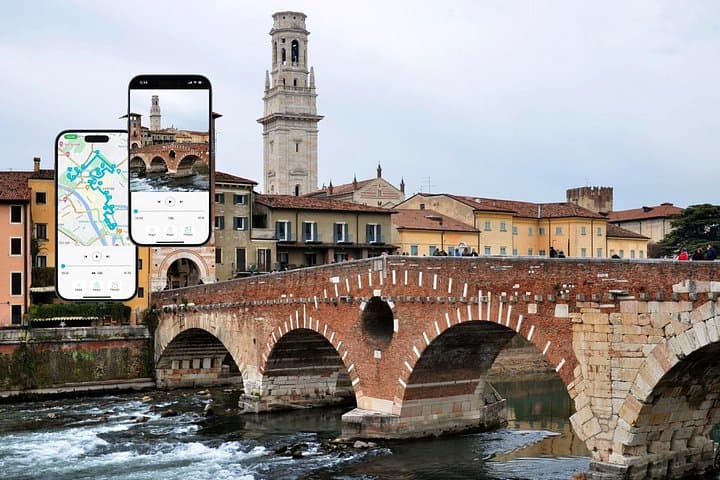
Explore Verona at your own pace with a 90-minute self-guided walking tour that links Roman ruins, Scaliger tombs, and the houses tied to Romeo and Juliet. The app provides offline maps, audio commentary, and images to navigate the city’s cobbled streets.
Explore Verona at your own pace with a 90-minute self-guided walking tour that links Roman ruins, Scaliger tombs, and the houses tied to Romeo and Juliet. The app provides offline maps, audio commentary, and images to navigate the city’s cobbled streets.
Morning light spills over the Adige as you climb to Piazzale Castel San Pietro and watch Verona wake: orange roofs, church bells, and the river daring you to cross its arched bridges.
Verified experiences and guided adventures in the surrounding area.
Operated by Tourific · Verona, Veneto
Morning light spills over the Adige as you climb to Piazzale Castel San Pietro and watch Verona wake: orange roofs, church bells, and the river daring you to cross its arched bridges.
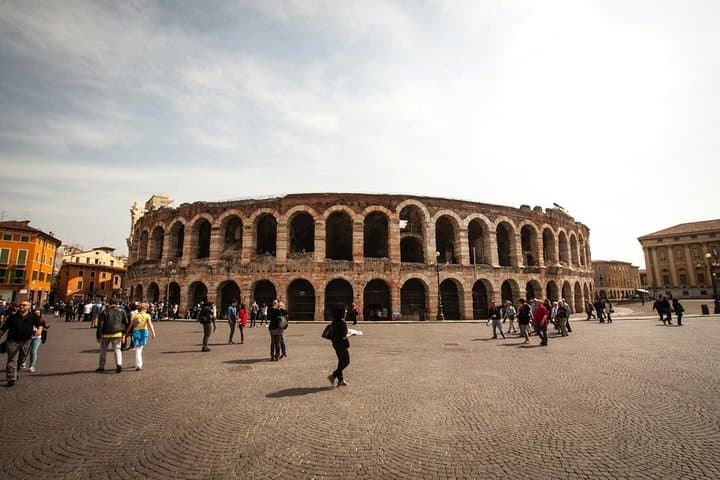
This self-guided walking tour threads Roman foundations and medieval power into a compact 90-minute route. Verona’s grid owes much to Roman planners—the Arena, one of Italy’s largest surviving amphitheatres, still frames the city’s opera season—while the scalloped tombs of the Scaliger family mark the medieval city-state’s ambition. Local stone and river deposits shaped narrow lanes, marble-paved shopping streets, and the low hills that rise toward the Lessini foothills.
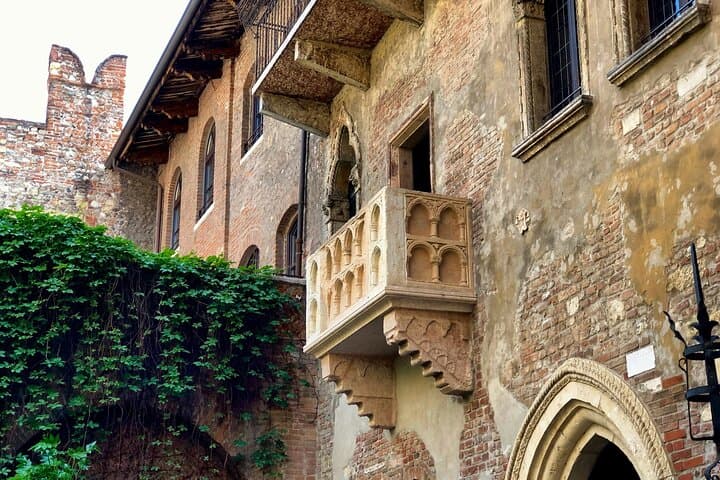
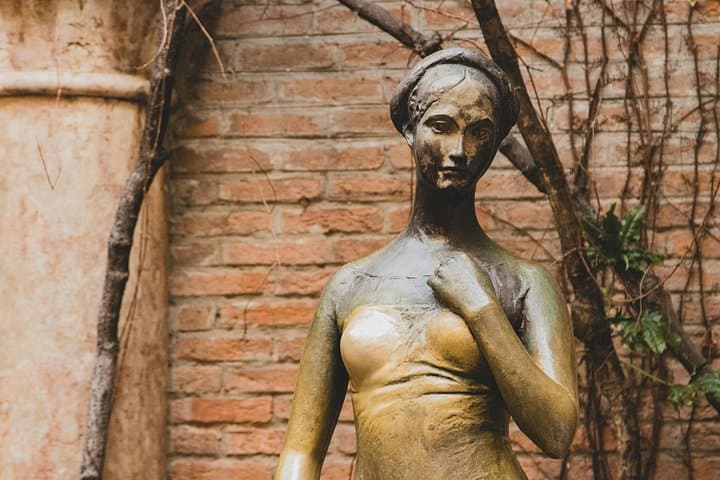
Culture here is tangible: bell-ringing patterns announce services, marble shopfronts reflect the afternoon sun, and the legend of Romeo and Juliet has been grafted onto real addresses and courtyards. The tour balances literary myth with archaeology, passing Romeo’s house, Juliet’s famous balcony, ornate churches, and the third-largest colosseum in Italy.
Practically, the app gives audio and written commentary, images for each stop, and offline maps—perfect for roaming without data. Expect cobblestones and some stairs; comfortable footwear and a bottle of water make the short walk enjoyable. Aim for early morning or late afternoon to avoid tour groups and the midday heat in summer.
The route is suitable for most fitness levels and offers one-year app access, instant mobile ticketing, and a flexible self-paced rhythm—an efficient, independent way to see Verona’s layered past and lively streets.
easy.
1–2 hours.
Suitable for most fitness levels; involves walking on cobbles and some stairs
The itinerary is designed for about 90 minutes of walking with short stops; expect roughly 1.5–3 km depending on side trips.
No—once downloaded the tour supports offline maps and audio, though initial download requires internet.
Yes; the route is family-friendly and rated easy, but watch for cobbles and some steps that may slow mobility-impaired visitors.
The app points out these sites; access to interiors (Arena performances or private house courtyards) may require separate admission or seasonal opening hours.
Verona grew from a Roman military colony into a rich medieval commune; the Scaliger family left marked funerary monuments and civic architecture still visible today.
Tourism pressure concentrates on a few historic sites; stick to marked paths, avoid damaging facades, and use refillable water bottles to reduce plastic waste.
Tourific operates guided outdoor trips and adventures with an emphasis on safety, stewardship, and memorable experiences.
Morning light spills over the Adige as you climb to Piazzale Castel San Pietro and watch Verona wake: orange roofs, church bells, and the river daring you to cross its arched bridges.
Morning light spills over the Adige as you climb to Piazzale Castel San Pietro and watch Verona wake: orange roofs, church bells, and the river daring you to cross its arched bridges.
This self-guided walking tour threads Roman foundations and medieval power into a compact 90-minute route. Verona’s grid owes much to Roman planners—the Arena, one of Italy’s largest surviving amphitheatres, still frames the city’s opera season—while the scalloped tombs of the Scaliger family mark the medieval city-state’s ambition. Local stone and river deposits shaped narrow lanes, marble-paved shopping streets, and the low hills that rise toward the Lessini foothills.
Culture here is tangible: bell-ringing patterns announce services, marble shopfronts reflect the afternoon sun, and the legend of Romeo and Juliet has been grafted onto real addresses and courtyards. The tour balances literary myth with archaeology, passing Romeo’s house, Juliet’s famous balcony, ornate churches, and the third-largest colosseum in Italy.
Practically, the app gives audio and written commentary, images for each stop, and offline maps—perfect for roaming without data. Expect cobblestones and some stairs; comfortable footwear and a bottle of water make the short walk enjoyable. Aim for early morning or late afternoon to avoid tour groups and the midday heat in summer.
The route is suitable for most fitness levels and offers one-year app access, instant mobile ticketing, and a flexible self-paced rhythm—an efficient, independent way to see Verona’s layered past and lively streets.