THE ADVENTURE COLLECTIVE® · Independent discovery and booking for outdoor travel

Explore New Orleans’ Garden District on your own terms with a downloadable audio map that guides you past antebellum mansions, film-famous facades, and Lafayette Cemetery No. 1. Learn the history as you walk, with offline directions and lifetime access to the tour.
Explore New Orleans’ Garden District on your own terms with a downloadable audio map that guides you past antebellum mansions, film-famous facades, and Lafayette Cemetery No. 1. Learn the history as you walk, with offline directions and lifetime access to the tour.
You step off the St. Charles streetcar and the street widens into a slow, leafy room: live oaks arch overhead, ironwork porches lean into afternoon light, and a discreet Garden District sign marks the beginning of a walking narrative you control.
Verified experiences and guided adventures in the surrounding area.
Operated by VoiceMap Audio Tours · New Orleans, Louisiana
You step off the St. Charles streetcar and the street widens into a slow, leafy room: live oaks arch overhead, ironwork porches lean into afternoon light, and a discreet Garden District sign marks the beginning of a walking narrative you control.
The neighborhood rose in the mid-1800s as American-settler development adjacent to the Creole city; its grand Greek Revival and Italianate villas reflect railroad fortunes, antebellum wealth, and the complicated history of slavery and reconstruction. Lafayette Cemetery No. 1, at the tour's end, dates to the 1830s and offers a rare look at above-ground burial practices shaped by New Orleans’ high water table.
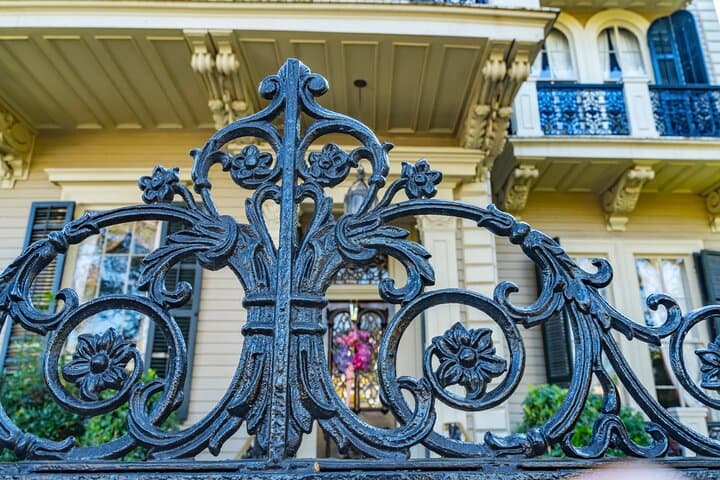
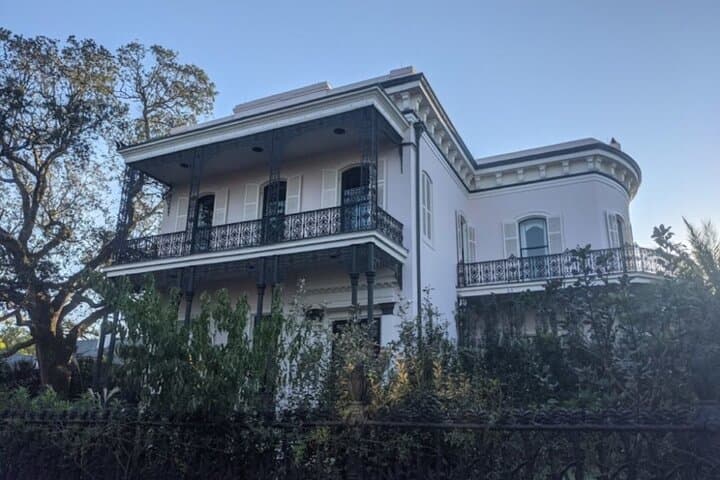
Architectural details tell stories: rain-collection tanks on roofs, wrought-iron galleries, and mansions tied to literary and film figures. The route threads residential blocks, pass-by highlights like Buckner Mansion, the Seven Sisters, and the Walter Grinnan Robinson House with its indoor plumbing claim. Street-level culture is present — corner eateries, boutique shops on Magazine and quiet schoolyards — giving the walk an urban pulse.
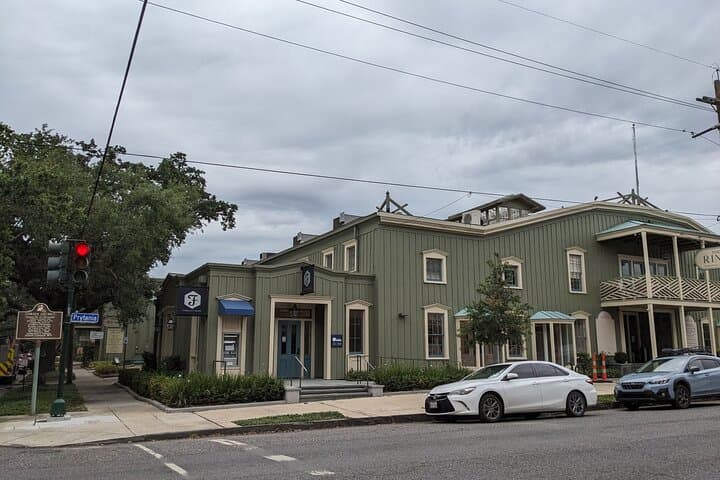
Practically: the tour runs about 60–75 minutes at a measured pace but is fully self-paced via the VoiceMap app. Download audio and offline maps before you go, start at the designated Rink Shopping Center marker, and keep to sidewalks and private-property boundaries. Morning or late afternoon avoids midday heat; bring a charged phone, water, and comfortable shoes. Accessible and stroller-friendly, the route is gentle but rich in context — a compact urban ramble that rewards attention to detail.
easy.
1–1.25 hours.
Suitable for most fitness levels; minimal elevation and paved sidewalks make it accessible to casual walkers
Yes — sidewalks and the route are generally accessible; some historic areas have uneven paving, so check local curb cuts at intersections.
After booking you receive a unique code to download the VoiceMap app content for offline audio, maps, and geodata.
Yes — the purchase grants lifetime access to the self-guided tour before and after your booking date for flexible use.
Service animals are permitted; while many owners walk dogs in the neighborhood, keep pets leashed and respect private lawns and cemeteries.
Developed in the 19th century by American settlers, the Garden District showcases antebellum mansions, railroad-era wealth, and Lafayette Cemetery No. 1, established in the 1830s.
Local preservation groups work to maintain historic facades and tree canopies; visitors should avoid touching architectural details or disturbing cemetery markers.
VoiceMap Audio Tours operates guided outdoor trips and adventures with an emphasis on safety, stewardship, and memorable experiences.

You step off the St. Charles streetcar and the street widens into a slow, leafy room: live oaks arch overhead, ironwork porches lean into afternoon light, and a discreet Garden District sign marks the beginning of a walking narrative you control.
You step off the St. Charles streetcar and the street widens into a slow, leafy room: live oaks arch overhead, ironwork porches lean into afternoon light, and a discreet Garden District sign marks the beginning of a walking narrative you control.
The neighborhood rose in the mid-1800s as American-settler development adjacent to the Creole city; its grand Greek Revival and Italianate villas reflect railroad fortunes, antebellum wealth, and the complicated history of slavery and reconstruction. Lafayette Cemetery No. 1, at the tour's end, dates to the 1830s and offers a rare look at above-ground burial practices shaped by New Orleans’ high water table.
Architectural details tell stories: rain-collection tanks on roofs, wrought-iron galleries, and mansions tied to literary and film figures. The route threads residential blocks, pass-by highlights like Buckner Mansion, the Seven Sisters, and the Walter Grinnan Robinson House with its indoor plumbing claim. Street-level culture is present — corner eateries, boutique shops on Magazine and quiet schoolyards — giving the walk an urban pulse.
Practically: the tour runs about 60–75 minutes at a measured pace but is fully self-paced via the VoiceMap app. Download audio and offline maps before you go, start at the designated Rink Shopping Center marker, and keep to sidewalks and private-property boundaries. Morning or late afternoon avoids midday heat; bring a charged phone, water, and comfortable shoes. Accessible and stroller-friendly, the route is gentle but rich in context — a compact urban ramble that rewards attention to detail.