THE ADVENTURE COLLECTIVE® · Independent discovery and booking for outdoor travel

Explore Birmingham at your own pace with a self-guided walking tour that threads canals, Victorian architecture, and contemporary cultural quarters. Includes GPS route, audio commentary by a Chartered Geographer, and three weeks of app access.
Explore Birmingham at your own pace with a self-guided walking tour that threads canals, Victorian architecture, and contemporary cultural quarters. Includes GPS route, audio commentary by a Chartered Geographer, and three weeks of app access.
The city opens gradually — a rattle of tramlines, the glint of water, and the Mailbox rising like a modern waypoint above the canal. On this self-guided walk, pavement and towpath alternate: you pass low brick warehouses whose soot-dark facades remember coal and iron, then cross contemporary plazas where glass and steel argue for the future.
Verified experiences and guided adventures in the surrounding area.
Operated by Pandemic Tours · Birmingham, West Midlands
The city opens gradually — a rattle of tramlines, the glint of water, and the Mailbox rising like a modern waypoint above the canal. On this self-guided walk, pavement and towpath alternate: you pass low brick warehouses whose soot-dark facades remember coal and iron, then cross contemporary plazas where glass and steel argue for the future.
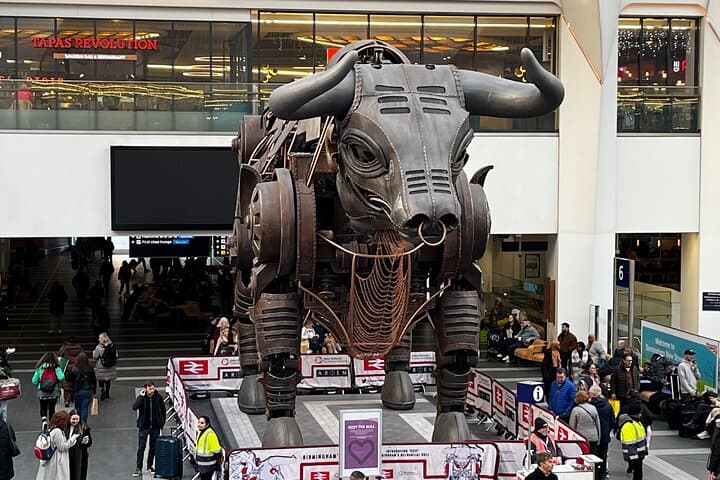
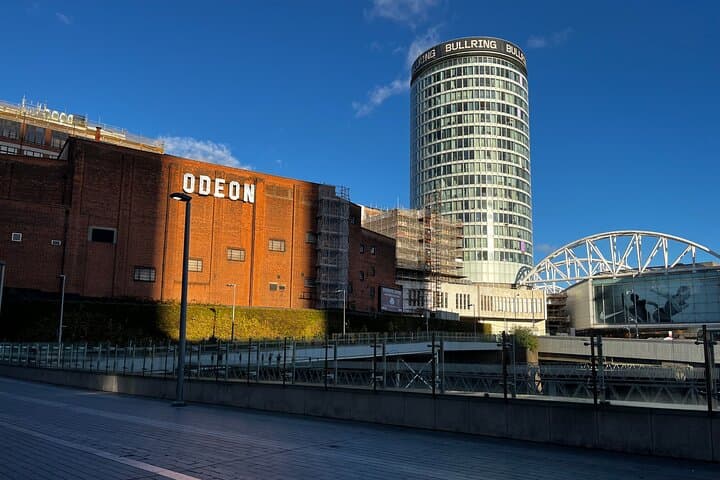
Birmingham's story is visible underfoot. The canals, engineered in the 18th century to move raw materials, still cut purposeful lines through the city; James Brindley and later Victorian builders shaped a transport grid that made Birmingham a manufacturing powerhouse. The Library of Birmingham and Centenary Square narrate the civic ambitions of the 19th and 20th centuries, while the Bullring and Grand Central show how commerce remade the grid more recently.
The geology is subtle — red Permian sandstones in older masonry, reclaimed industrial ground at the canalside — but culture is loud: the Chinese Quarter's lanterns, the Gay Village's vibrant nightlife, and community murals that mark local resilience.
Practical guidance: plan for 2–3 hours, wear sturdy shoes for mixed pavement and uneven towpaths, and download the app before you leave; GPS directions and Helen's expert audio commentary are included for three weeks. Aim to walk early or late in the day to avoid peak crowds and to catch softer light on the water. Bring a small umbrella or rain jacket — Birmingham weather changes quickly — and keep a portable charger for your phone. This tour lets you set the pace: linger at the Roundhouse, watch river traffic, or pause for a canal-side café — the city rewards curiosity and a steady stride.
moderate.
2–3 hours.
Suitable for people with moderate fitness who can walk several miles with brief stops; some sections include uneven surfaces and steps.
The tour is designed for roughly 2–3 hours, but you can shorten or extend it by skipping stops or lingering at points of interest.
Yes — the provider notes wheelchair and stroller accessibility for most parts of the route, though some canal-side areas may have uneven surfaces; check the route map before you go.
No — mobile tickets are accepted and the app provides access to audio, maps, and photos for three weeks after purchase.
No — this is a private self-guided experience with audio commentary recorded by a Chartered Geographer named Helen, not an in-person guide.
Birmingham grew rapidly in the 18th–19th centuries as canals and later railroads turned it into a manufacturing hub; engineers like James Brindley were central to that transformation.
Stick to paths and avoid feeding wildlife; the canals are working waterways and local groups encourage litter-free visits and respectful noise levels.
Pandemic Tours operates guided outdoor trips and adventures with an emphasis on safety, stewardship, and memorable experiences.
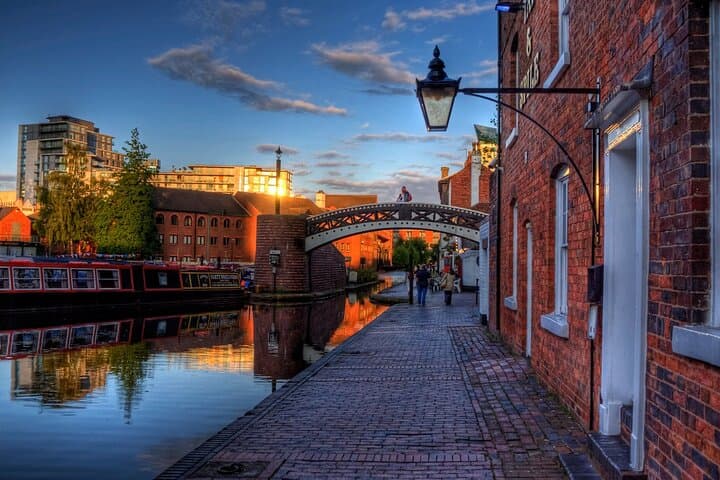
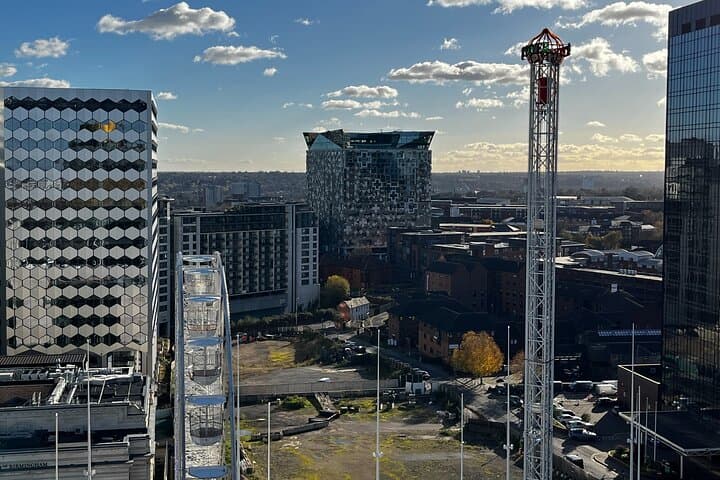
The city opens gradually — a rattle of tramlines, the glint of water, and the Mailbox rising like a modern waypoint above the canal. On this self-guided walk, pavement and towpath alternate: you pass low brick warehouses whose soot-dark facades remember coal and iron, then cross contemporary plazas where glass and steel argue for the future.
The city opens gradually — a rattle of tramlines, the glint of water, and the Mailbox rising like a modern waypoint above the canal. On this self-guided walk, pavement and towpath alternate: you pass low brick warehouses whose soot-dark facades remember coal and iron, then cross contemporary plazas where glass and steel argue for the future.
Birmingham's story is visible underfoot. The canals, engineered in the 18th century to move raw materials, still cut purposeful lines through the city; James Brindley and later Victorian builders shaped a transport grid that made Birmingham a manufacturing powerhouse. The Library of Birmingham and Centenary Square narrate the civic ambitions of the 19th and 20th centuries, while the Bullring and Grand Central show how commerce remade the grid more recently.
The geology is subtle — red Permian sandstones in older masonry, reclaimed industrial ground at the canalside — but culture is loud: the Chinese Quarter's lanterns, the Gay Village's vibrant nightlife, and community murals that mark local resilience.
Practical guidance: plan for 2–3 hours, wear sturdy shoes for mixed pavement and uneven towpaths, and download the app before you leave; GPS directions and Helen's expert audio commentary are included for three weeks. Aim to walk early or late in the day to avoid peak crowds and to catch softer light on the water. Bring a small umbrella or rain jacket — Birmingham weather changes quickly — and keep a portable charger for your phone. This tour lets you set the pace: linger at the Roundhouse, watch river traffic, or pause for a canal-side café — the city rewards curiosity and a steady stride.