THE ADVENTURE COLLECTIVE® · Independent discovery and booking for outdoor travel

Walk three Baltic capitals and the wildlands between them on a 14-day self-guided itinerary. This journey pairs short city hikes with longer nature walks through national parks, post-glacial lakes and coastal forests—ideal for travelers with moderate fitness who value independent exploration.
Walk three Baltic capitals and the wildlands between them on a 14-day self-guided itinerary. This journey pairs short city hikes with longer nature walks through national parks, post-glacial lakes and coastal forests—ideal for travelers with moderate fitness who value independent exploration.
Morning in Vilnius begins with damp cobbles and a low sun that slides across centuries of brickwork—an easy first step into a 14-day self-guided route that moves from city lanes to lakeshore pines and coastal cliffs.
Verified experiences and guided adventures in the surrounding area.
Operated by Travel Addicts Club · Vilnius, Vilnius County
Morning in Vilnius begins with damp cobbles and a low sun that slides across centuries of brickwork—an easy first step into a 14-day self-guided route that moves from city lanes to lakeshore pines and coastal cliffs.
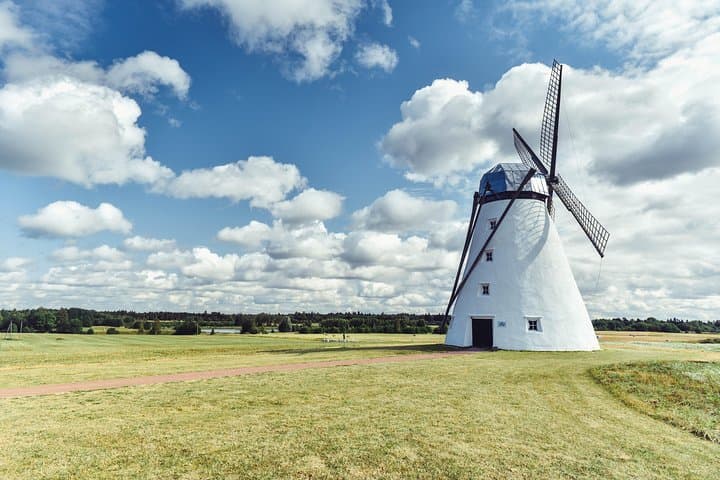
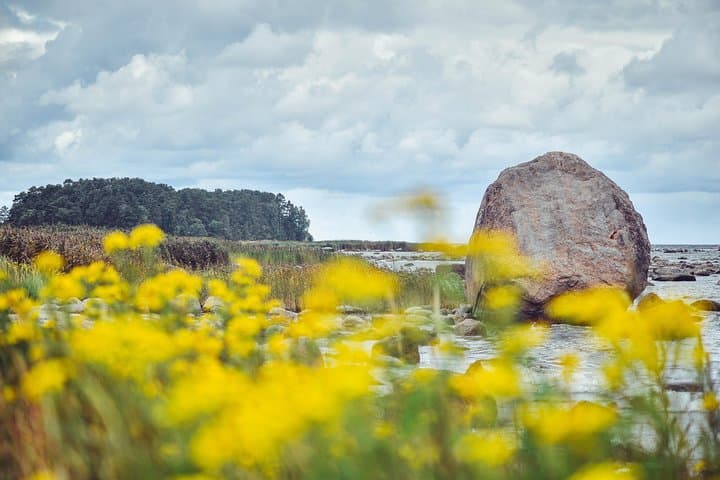
This itinerary threads Lithuania, Latvia and Estonia using regional trains, occasional private transfers and well-marked walking routes. Expect geology shaped by the last Ice Age: drumlins, limestone cliffs and erratic boulders beside post-glacial lakes like Plateliai. History appears in Trakai’s island castle, Riga’s Hanseatic facades and Tallinn’s intact medieval ramparts; cultural notes appear in small details—the Karaim pastries of Trakai, fishermen’s villages in Lahemaa, and local market stalls in Riga.
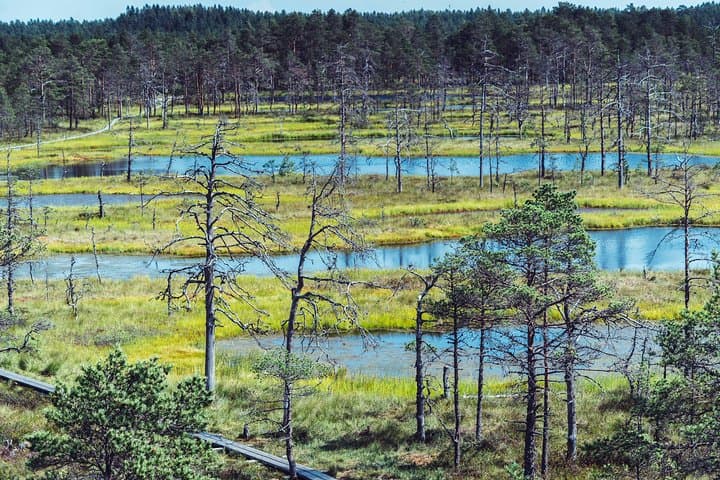
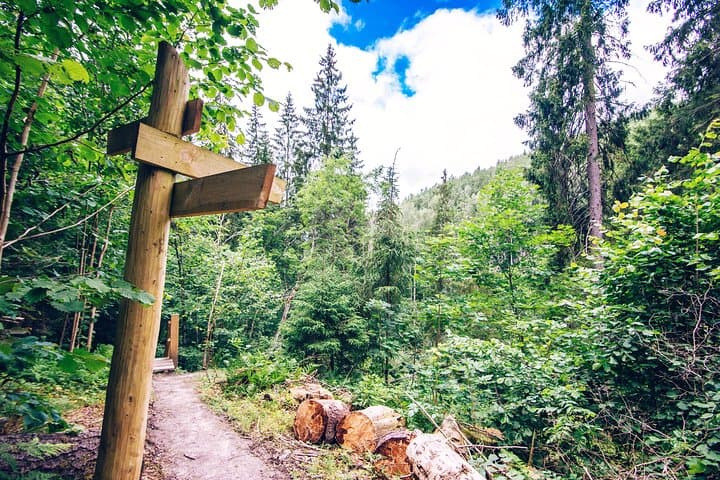
Daily walking ranges from short city explorations (2–7 km) to full nature days (10–15 km) on mixed terrain: compact forest tracks, bog boardwalks, rocky shorelines and some steep ravines in Gauja. Elevation gains are modest but include steep short climbs in Sigulda; overall fitness should be moderate.
Practical guidance: carry waterproof layers and a compact daypack, plan train segments (Vilnius–Plunge, Riga–Sigulda, Valga–Tallinn) and book the included 13 nights ahead. Navigation relies on provided route notes and maps—bring a battery pack and download offline maps. Respect protected areas: stay on trails in Zemaitija and Lahemaa, and keep noise low near breeding birds.
This trip balances urban culture and quiet wilds; it’s best in late spring to early autumn for longer daylight and accessible bog trails.
moderate.
14 days.
Should be comfortable walking 5–15 km per day on mixed terrain; good cardiovascular base and sturdy legs recommended.
This is a self-guided tour with detailed route notes, maps and some included transfers; accommodations and intercity tickets are pre-arranged but you walk independently.
Most days are moderate—city walks of 2–7 km and nature days of 10–15 km with mixed surfaces and occasional short steep sections in Gauja and Sigulda.
Yes: 13 nights in 3-star hotels or countryside lodges with breakfast, selected private transfers where public transport isn’t available, and specific intercity tickets are included.
Late spring through early autumn (May–September) offers longest daylight and best trail conditions; shoulder seasons reduce crowds but expect cooler, wetter weather.
The route crosses territories shaped by Teutonic and Hanseatic trade routes and the Grand Duchy of Lithuania; coastal villages reflect a strong maritime tradition in Estonia.
Many stops are inside designated national and regional parks—stay on marked trails, follow local guidelines for bird breeding areas, and pack out all waste to protect fragile bogs and coastal habitats.
Travel Addicts Club operates guided outdoor trips and adventures with an emphasis on safety, stewardship, and memorable experiences.
Morning in Vilnius begins with damp cobbles and a low sun that slides across centuries of brickwork—an easy first step into a 14-day self-guided route that moves from city lanes to lakeshore pines and coastal cliffs.
Morning in Vilnius begins with damp cobbles and a low sun that slides across centuries of brickwork—an easy first step into a 14-day self-guided route that moves from city lanes to lakeshore pines and coastal cliffs.
This itinerary threads Lithuania, Latvia and Estonia using regional trains, occasional private transfers and well-marked walking routes. Expect geology shaped by the last Ice Age: drumlins, limestone cliffs and erratic boulders beside post-glacial lakes like Plateliai. History appears in Trakai’s island castle, Riga’s Hanseatic facades and Tallinn’s intact medieval ramparts; cultural notes appear in small details—the Karaim pastries of Trakai, fishermen’s villages in Lahemaa, and local market stalls in Riga.
Daily walking ranges from short city explorations (2–7 km) to full nature days (10–15 km) on mixed terrain: compact forest tracks, bog boardwalks, rocky shorelines and some steep ravines in Gauja. Elevation gains are modest but include steep short climbs in Sigulda; overall fitness should be moderate.
Practical guidance: carry waterproof layers and a compact daypack, plan train segments (Vilnius–Plunge, Riga–Sigulda, Valga–Tallinn) and book the included 13 nights ahead. Navigation relies on provided route notes and maps—bring a battery pack and download offline maps. Respect protected areas: stay on trails in Zemaitija and Lahemaa, and keep noise low near breeding birds.
This trip balances urban culture and quiet wilds; it’s best in late spring to early autumn for longer daylight and accessible bog trails.