THE ADVENTURE COLLECTIVE® · Independent discovery and booking for outdoor travel

Walk from Covent Garden to Piccadilly Circus at your own pace and soak up London’s Theatreland—markets, historic theatres, Chinatown and neon-lit Piccadilly. This self-guided route blends culture, history, and practical city walking advice.
Walk from Covent Garden to Piccadilly Circus at your own pace and soak up London’s Theatreland—markets, historic theatres, Chinatown and neon-lit Piccadilly. This self-guided route blends culture, history, and practical city walking advice.
You step out of the Covent Garden arcades into a swell of sound: buskers tuning, market stalls calling, and evening theatre lights beginning to warm the pavement. The route threads east to west—through the narrow rhythm of St Martin’s Lane, across the wide sweep of Shaftesbury Avenue, into the lanterned lanes of Chinatown, then through the bright hubbub of Leicester Square before finishing beneath Piccadilly Circus’s famous signs.
Verified experiences and guided adventures in the surrounding area.
Operated by Trippy Tour Guide · London, England
You step out of the Covent Garden arcades into a swell of sound: buskers tuning, market stalls calling, and evening theatre lights beginning to warm the pavement. The route threads east to west—through the narrow rhythm of St Martin’s Lane, across the wide sweep of Shaftesbury Avenue, into the lanterned lanes of Chinatown, then through the bright hubbub of Leicester Square before finishing beneath Piccadilly Circus’s famous signs.
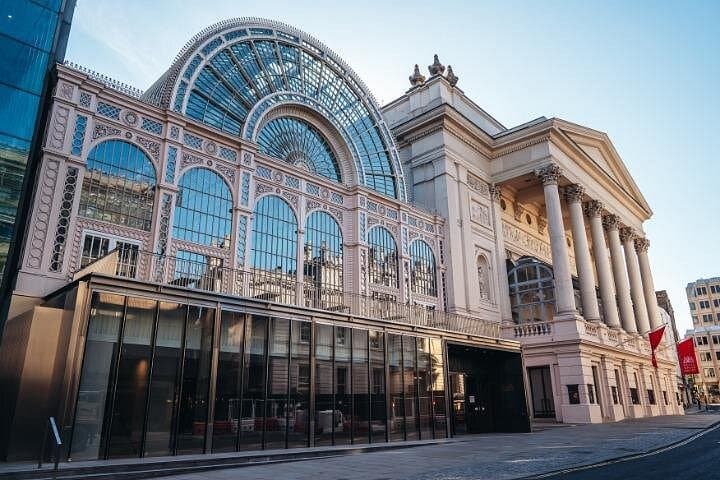
This short urban hike traces layers of London’s story. Covent Garden grew from a 17th‑century market to a performance quarter; the Coliseum and other theatres on Shaftesbury Avenue chart the city’s operatic and stage history. Piccadilly Circus, created in 1819 where major streets converge, became a neon crossroads as electricity and advertising shaped the twentieth century. Geologically the West End sits on Thames gravels and alluvium, which explains the flat, walkable streets and the historic drainage works below your feet.
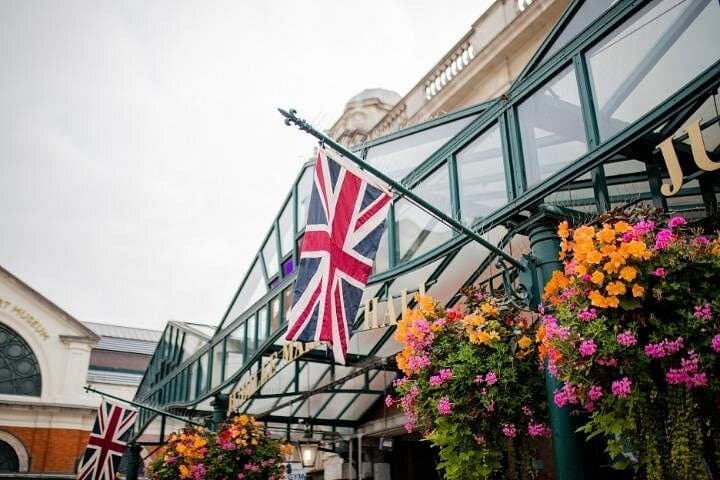
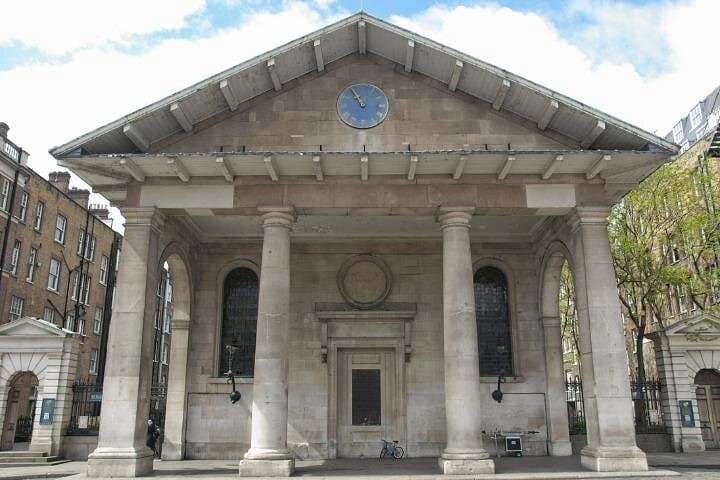
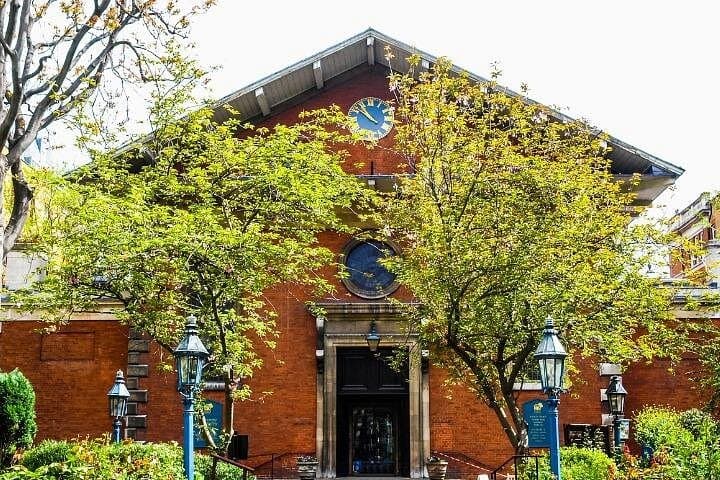
Expect a mix of paved streets, flagged sidewalks and pedestrian plazas. Cultural details pop up between steps: Jubilee Market stalls, the seven converging streets of Seven Dials, and chapel and theatre façades that hint at wartime stories and artistic reinvention. Local shops and small café courtyards reward short detours.
Practical guidance: allow 2–3 hours, mid‑morning or early evening for best atmosphere, use an offline map, carry a lightweight waterproof layer and a charged phone. Foot traffic and delivery vehicles mean stay alert at crossings; bring contactless pay or an Oyster card for quick tube or bus hops if you want to shorten the route.
easy.
2–3 hours.
Suitable for most fitness levels; participants should be comfortable walking on pavement for a few hours.
No—this self-guided walk visits public spaces; specific theatres or museums may require separate tickets.
Much of the route uses paved pedestrian areas but there are sections with steps and narrow passages; accessibility varies by street—check individual locations ahead.
Typical time is 2–3 hours at a relaxed pace; you can shorten it by using the Tube at Covent Garden, Leicester Square or Piccadilly Circus stations.
Yes—families commonly enjoy street performers and markets; keep to busy times and supervise near traffic and crowds.
Covent Garden began as a 17th‑century fruit-and-vegetable market and evolved into a performance quarter; Shaftesbury Avenue was engineered in the late 19th century to connect new theatres.
High foot traffic stresses street cleanliness and local architecture—support small traders, use bins, and follow pedestrian rules to reduce impact.
Trippy Tour Guide operates guided outdoor trips and adventures with an emphasis on safety, stewardship, and memorable experiences.
You step out of the Covent Garden arcades into a swell of sound: buskers tuning, market stalls calling, and evening theatre lights beginning to warm the pavement. The route threads east to west—through the narrow rhythm of St Martin’s Lane, across the wide sweep of Shaftesbury Avenue, into the lanterned lanes of Chinatown, then through the bright hubbub of Leicester Square before finishing beneath Piccadilly Circus’s famous signs.
You step out of the Covent Garden arcades into a swell of sound: buskers tuning, market stalls calling, and evening theatre lights beginning to warm the pavement. The route threads east to west—through the narrow rhythm of St Martin’s Lane, across the wide sweep of Shaftesbury Avenue, into the lanterned lanes of Chinatown, then through the bright hubbub of Leicester Square before finishing beneath Piccadilly Circus’s famous signs.
This short urban hike traces layers of London’s story. Covent Garden grew from a 17th‑century market to a performance quarter; the Coliseum and other theatres on Shaftesbury Avenue chart the city’s operatic and stage history. Piccadilly Circus, created in 1819 where major streets converge, became a neon crossroads as electricity and advertising shaped the twentieth century. Geologically the West End sits on Thames gravels and alluvium, which explains the flat, walkable streets and the historic drainage works below your feet.
Expect a mix of paved streets, flagged sidewalks and pedestrian plazas. Cultural details pop up between steps: Jubilee Market stalls, the seven converging streets of Seven Dials, and chapel and theatre façades that hint at wartime stories and artistic reinvention. Local shops and small café courtyards reward short detours.
Practical guidance: allow 2–3 hours, mid‑morning or early evening for best atmosphere, use an offline map, carry a lightweight waterproof layer and a charged phone. Foot traffic and delivery vehicles mean stay alert at crossings; bring contactless pay or an Oyster card for quick tube or bus hops if you want to shorten the route.