THE ADVENTURE COLLECTIVE® · Independent discovery and booking for outdoor travel

Take a paced, 90-minute self-guided walk through Dubrovnik’s Old Town to see Onofrio’s Fountain, Rector’s Palace, the Stradun and viewpoints over the Adriatic — all with offline audio and map support to orient you to the city’s layered history.
Take a paced, 90-minute self-guided walk through Dubrovnik’s Old Town to see Onofrio’s Fountain, Rector’s Palace, the Stradun and viewpoints over the Adriatic — all with offline audio and map support to orient you to the city’s layered history.
You step through the Ploče Gate and the city inhales — sea air rubbing shoulders with warm limestone underfoot. The Stradun slides past you: wide, pale, and worn by centuries of foot traffic while the Adriatic presses against the harbor, daring you toward Lovrijenac’s scarred cliffs and the view over red roofs.
Verified experiences and guided adventures in the surrounding area.
Operated by Tourific · Dubrovnik, Dubrovnik-Neretva County
You step through the Ploče Gate and the city inhales — sea air rubbing shoulders with warm limestone underfoot. The Stradun slides past you: wide, pale, and worn by centuries of foot traffic while the Adriatic presses against the harbor, daring you toward Lovrijenac’s scarred cliffs and the view over red roofs.
This 90-minute self-guided walk traces Dubrovnik’s arc from a maritime republic to a modern UNESCO World Heritage site. Expect stops at Onofrio’s Fountain, the Franciscan Monastery and its historic pharmacy, Rector’s Palace and the bell tower, with short narrated segments that unpack the 1667 earthquake, the defensive logic of the city walls and local legends — including the stories tied to nearby Lokrum Island and the vaunted fortress said to have been rushed into being.
Geology is visible in the stone: soft limestone quarried locally and smoothed by weather and sandals, while urban layers reveal Venetian and Ottoman-era influences in architecture and civic layout. Culture here is civic and sea-focused — merchant squares, sacral buildings, and fish-scented harbor mornings.
Practical guidance: the route is compact and mostly flat but paved with uneven cobbles; there are short flights of stairs if you detour to viewpoints. Download the included offline audio and map before you go, give yourself 90–120 minutes to pause for photos, and aim for an early start to avoid cruise-ship surges. Wear supportive shoes, carry water, and respect restricted access points — the old town is living history, not a theme set.
easy.
1.5 hours (90 minutes).
Suitable for most fitness levels; you should be able to walk 1–2 miles on uneven cobbles and manage short stair sections.
No — the self-guided walk provides audio and written content but does not include paid admissions to attractions such as the city walls or museums.
The tour includes one year of access on iOS and Android and can be used offline once downloaded.
The route is physically easy but features uneven cobbles and some stairs; it’s suitable for children but may be difficult for those with limited mobility—consider alternatives or allow extra time.
The product description notes an AI-generated audio and written guide; language availability is shown in the app and should be checked before purchase.
Dubrovnik evolved as the Republic of Ragusa, a maritime city-state that thrived on trade and diplomacy and later rebuilt extensively after the 1667 earthquake.
High visitor numbers and cruise-ship crowds strain old-town infrastructure; stick to marked paths, avoid climbing on ruins, and use refillable bottles to reduce plastic waste.
Tourific operates guided outdoor trips and adventures with an emphasis on safety, stewardship, and memorable experiences.

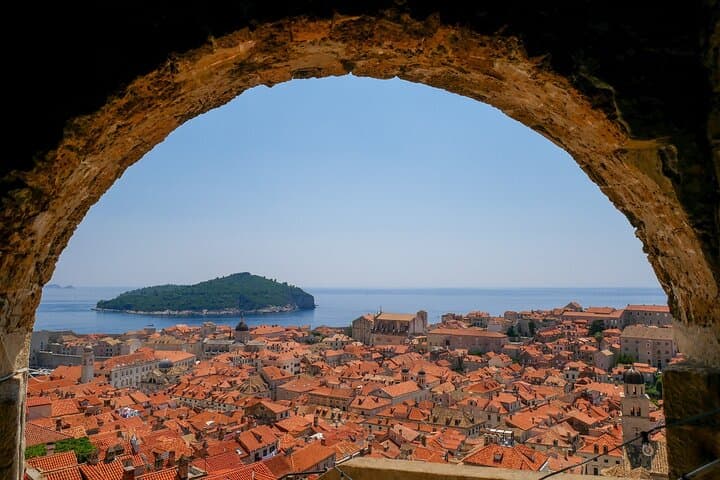

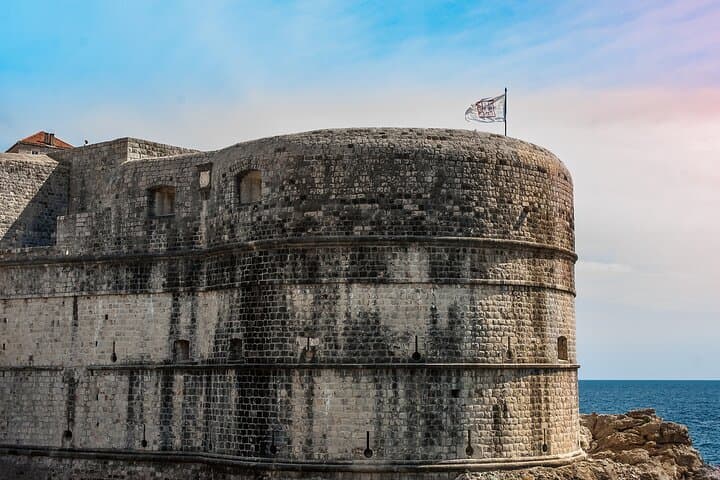
You step through the Ploče Gate and the city inhales — sea air rubbing shoulders with warm limestone underfoot. The Stradun slides past you: wide, pale, and worn by centuries of foot traffic while the Adriatic presses against the harbor, daring you toward Lovrijenac’s scarred cliffs and the view over red roofs.
You step through the Ploče Gate and the city inhales — sea air rubbing shoulders with warm limestone underfoot. The Stradun slides past you: wide, pale, and worn by centuries of foot traffic while the Adriatic presses against the harbor, daring you toward Lovrijenac’s scarred cliffs and the view over red roofs.
This 90-minute self-guided walk traces Dubrovnik’s arc from a maritime republic to a modern UNESCO World Heritage site. Expect stops at Onofrio’s Fountain, the Franciscan Monastery and its historic pharmacy, Rector’s Palace and the bell tower, with short narrated segments that unpack the 1667 earthquake, the defensive logic of the city walls and local legends — including the stories tied to nearby Lokrum Island and the vaunted fortress said to have been rushed into being.
Geology is visible in the stone: soft limestone quarried locally and smoothed by weather and sandals, while urban layers reveal Venetian and Ottoman-era influences in architecture and civic layout. Culture here is civic and sea-focused — merchant squares, sacral buildings, and fish-scented harbor mornings.
Practical guidance: the route is compact and mostly flat but paved with uneven cobbles; there are short flights of stairs if you detour to viewpoints. Download the included offline audio and map before you go, give yourself 90–120 minutes to pause for photos, and aim for an early start to avoid cruise-ship surges. Wear supportive shoes, carry water, and respect restricted access points — the old town is living history, not a theme set.