THE ADVENTURE COLLECTIVE® · Independent discovery and booking for outdoor travel

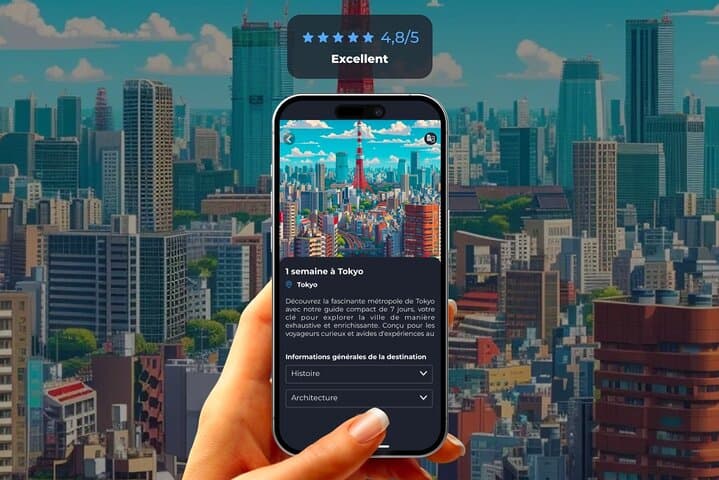
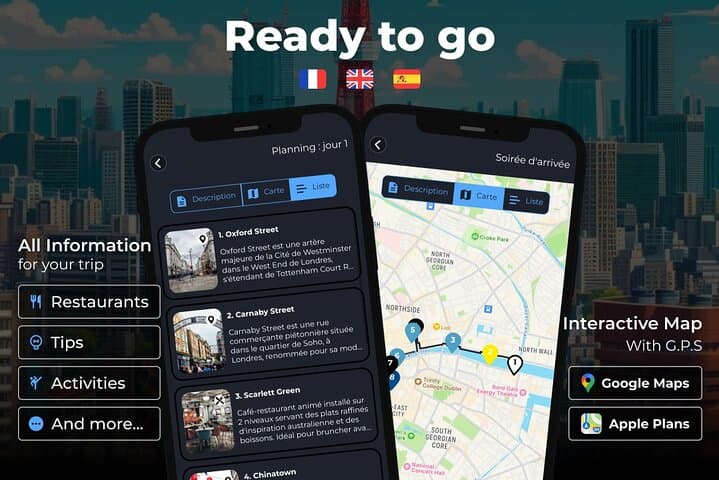
Move through Tokyo at your own pace with a two-day digital guide that maps historic temples, neon districts and local eats. Download offline, ride the trains, and let a curated route show what to see and when.
Move through Tokyo at your own pace with a two-day digital guide that maps historic temples, neon districts and local eats. Download offline, ride the trains, and let a curated route show what to see and when.
Morning light spills across Shibuya Crossing and the city breathes in rhythm — trains clatter, vending machines hum, and a digital guide on your phone plots a route through centuries of urban life.
Verified experiences and guided adventures in the surrounding area.
Operated by Henri Trip · Tokyo, Tokyo
Morning light spills across Shibuya Crossing and the city breathes in rhythm — trains clatter, vending machines hum, and a digital guide on your phone plots a route through centuries of urban life.
This two-day self-guided Tokyo Digital Guide threads you through Edo-era palaces and neon districts, from the quiet stones of the Imperial Palace East Gardens to the frenetic pulse of Shinjuku and Shibuya. Tokyo’s modern grid sits on layered history: the Tokugawa shogunate centralized power here in the 1600s, and postwar expansion shaped the neighborhoods you’ll walk. Geologically, the plain around Tokyo is reclaimed and alluvial, giving way to parks, rivers and engineered waterfronts like Odaiba and the Rainbow Bridge.
Culture appears in contrasts — wooden shrine gates at Senso-ji, narrow postwar alleys at Omoide Yokocho, and glass high-rises housing izakaya and department store basements where local food culture thrives. The guide highlights practical local insights: peak commute hours to avoid, etiquette at shrines, and where to find accessible rest stops.
Plan for two active days of walking and transit; distances between highlights vary from short strolls to 30–45 minute train rides. Download offline maps before arrival, carry a charged phone or battery pack, and buy a prepaid IC card (Suica/Pasmo) for smooth transfers. Smaller neighborhoods reward slow exploration — let the guide sequence preserve time for ramen, a shrine detour, and a late-evening rooftop view.
easy.
2 days (self-paced).
Light to moderate: you should be comfortable walking 3–6 miles per day and using public transit.
Yes — the guide supports offline mode after download so you can access maps and POI details without cellular data.
Plan 2–4 hours for major neighborhoods like Asakusa or Shibuya; allow more time if you intend to visit museum exhibits or enter theme parks.
Many listed sites note accessibility; the guide provides information on wheelchair-friendly routes and transport options, but some older streets and alleys may be narrow or uneven.
Yes — the digital guide is self-paced and can be activated at any starting point and used over multiple days.
Tokyo developed from Edo, the seat of Tokugawa power from 1603–1867; many temple and shrine sites reflect that era’s influence on the city layout.
Use public transit and walk between nearby sites to reduce emissions; follow local waste-sorting rules and respect shrine grounds to minimize impact.
Henri Trip operates guided outdoor trips and adventures with an emphasis on safety, stewardship, and memorable experiences.

Morning light spills across Shibuya Crossing and the city breathes in rhythm — trains clatter, vending machines hum, and a digital guide on your phone plots a route through centuries of urban life.
Morning light spills across Shibuya Crossing and the city breathes in rhythm — trains clatter, vending machines hum, and a digital guide on your phone plots a route through centuries of urban life.
This two-day self-guided Tokyo Digital Guide threads you through Edo-era palaces and neon districts, from the quiet stones of the Imperial Palace East Gardens to the frenetic pulse of Shinjuku and Shibuya. Tokyo’s modern grid sits on layered history: the Tokugawa shogunate centralized power here in the 1600s, and postwar expansion shaped the neighborhoods you’ll walk. Geologically, the plain around Tokyo is reclaimed and alluvial, giving way to parks, rivers and engineered waterfronts like Odaiba and the Rainbow Bridge.
Culture appears in contrasts — wooden shrine gates at Senso-ji, narrow postwar alleys at Omoide Yokocho, and glass high-rises housing izakaya and department store basements where local food culture thrives. The guide highlights practical local insights: peak commute hours to avoid, etiquette at shrines, and where to find accessible rest stops.
Plan for two active days of walking and transit; distances between highlights vary from short strolls to 30–45 minute train rides. Download offline maps before arrival, carry a charged phone or battery pack, and buy a prepaid IC card (Suica/Pasmo) for smooth transfers. Smaller neighborhoods reward slow exploration — let the guide sequence preserve time for ramen, a shrine detour, and a late-evening rooftop view.