THE ADVENTURE COLLECTIVE® · Independent discovery and booking for outdoor travel

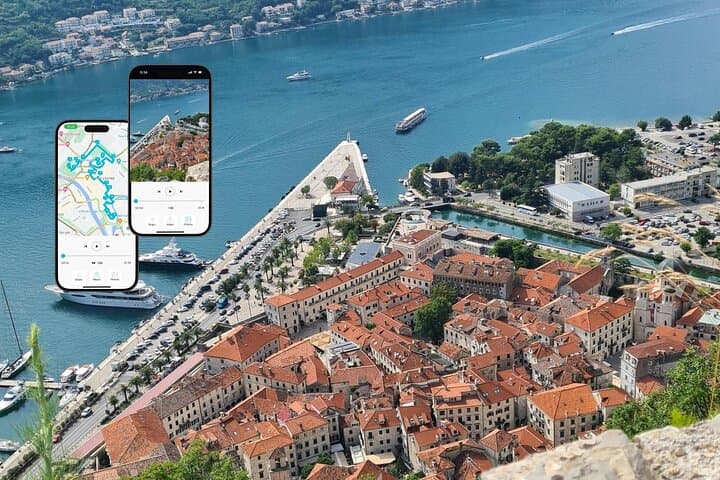
Walk Kotor’s UNESCO-listed Old Town at your own pace: cobbled streets, cat-filled squares and Venetian architecture, with an optional climb to St. John Fortress for coastal panoramas. Perfect for first-time visitors who prefer independent discovery.
Walk Kotor’s UNESCO-listed Old Town at your own pace: cobbled streets, cat-filled squares and Venetian architecture, with an optional climb to St. John Fortress for coastal panoramas. Perfect for first-time visitors who prefer independent discovery.
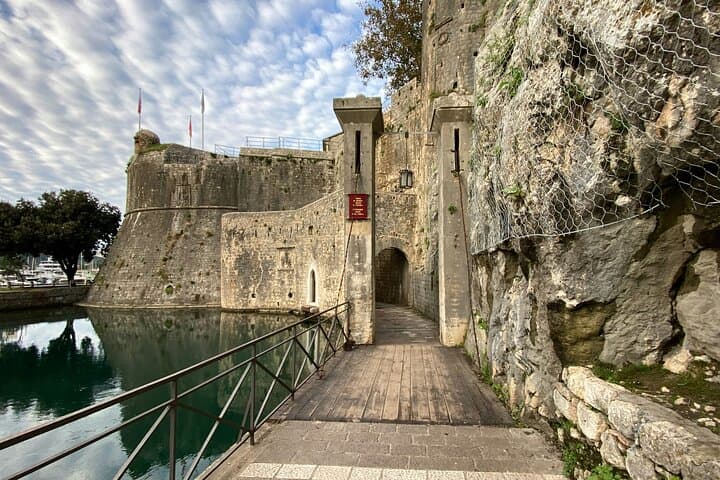
You step through the Sea Gate and the harbor air—salt, diesel and the faint clink of rigging—pushes you into a maze of stone.
Verified experiences and guided adventures in the surrounding area.
Operated by Tourific · Kotor, Kotor Municipality
You step through the Sea Gate and the harbor air—salt, diesel and the faint clink of rigging—pushes you into a maze of stone.
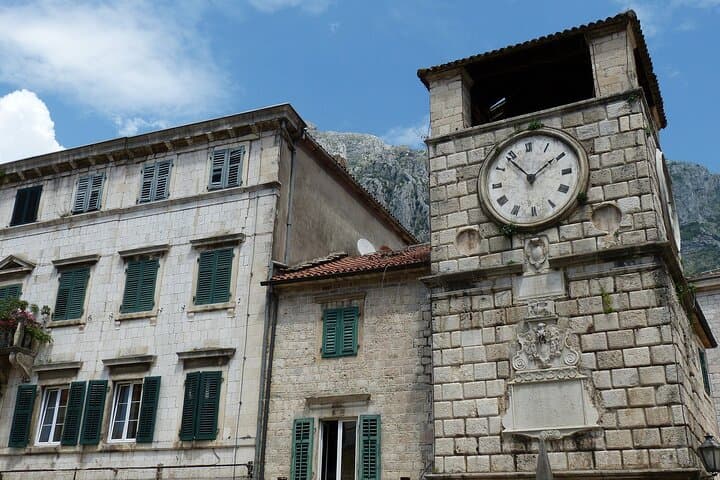
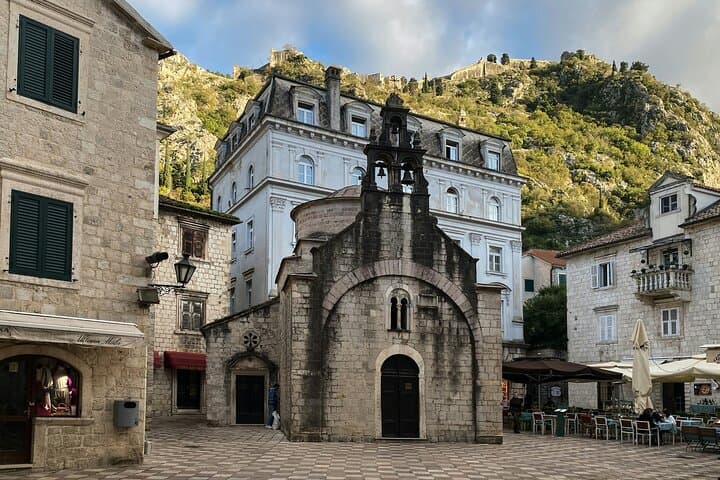
Shadows of Venetian arches frame narrow lanes; cats stretch on warm thresholds while church bells mark the hour. The route threads past St. Tryphon’s Cathedral, the Clock Tower and small palaces, each façade scarred and smoothed by centuries and repeated earthquakes. Above, the limestone spine of Vrmac and the ramparts that lead to St. John Fortress press the skyline, daring the visitor to climb for a sweeping view of Boka Bay.
Kotor’s story is geological as much as human: fjord-like inlets carved by glacial action and tectonic uplift create the dramatic bay, while Venetian rule left a grid of public squares and Gothic ornament. Local culture is pragmatic—markets, small kafanas and a celebrated cat museum reflect a port city that rebuilt itself time and again.
Practical guidance: the core self-guided loop takes about 60–120 minutes; expect uneven cobbles and narrow stairways.
Download the offline audio and map before you go, wear sturdy shoes, and bring water—shade is limited in summer. If you add the St. John Fortress trek, allow an extra hour and prepare for steep, rocky steps and loose stones; sunrise or late afternoon reduces crowds and midday heat. Public transport connects Kotor to nearby Perast and Budva for extended exploration. Respect residential areas, support local businesses, and pack out trash: the Old Town’s preservation depends on low-impact visitation.
easy.
1–2 hours (add 1 hour for fortress).
Suitable for most fitness levels; the optional fortress climb requires moderate stamina and steady footing
The core route through the Old Town typically takes 60–120 minutes; add about 45–60 minutes for the optional St. John Fortress trek.
Many Old Town streets are narrow cobbles with steps and uneven surfaces; accessibility is limited and the fortress is not suitable for wheelchairs.
No—this is a self-guided tour with downloadable audio and maps; some attractions like museums may charge separate entrance fees.
Midday when cruise ships dock can be very crowded; aim for early morning or late afternoon for a quieter experience.
Kotor’s fortified Old Town bears Venetian urban planning and architecture from centuries of maritime rule; repeated major earthquakes (notably 1667) shaped its rebuilt fabric.
The Old Town is a UNESCO World Heritage Site—minimize impact by staying on marked streets, avoiding loud groups in residential alleys, and buying from local artisans to support preservation.
Tourific operates guided outdoor trips and adventures with an emphasis on safety, stewardship, and memorable experiences.
You step through the Sea Gate and the harbor air—salt, diesel and the faint clink of rigging—pushes you into a maze of stone.
You step through the Sea Gate and the harbor air—salt, diesel and the faint clink of rigging—pushes you into a maze of stone.
Shadows of Venetian arches frame narrow lanes; cats stretch on warm thresholds while church bells mark the hour. The route threads past St. Tryphon’s Cathedral, the Clock Tower and small palaces, each façade scarred and smoothed by centuries and repeated earthquakes. Above, the limestone spine of Vrmac and the ramparts that lead to St. John Fortress press the skyline, daring the visitor to climb for a sweeping view of Boka Bay.
Kotor’s story is geological as much as human: fjord-like inlets carved by glacial action and tectonic uplift create the dramatic bay, while Venetian rule left a grid of public squares and Gothic ornament. Local culture is pragmatic—markets, small kafanas and a celebrated cat museum reflect a port city that rebuilt itself time and again.
Practical guidance: the core self-guided loop takes about 60–120 minutes; expect uneven cobbles and narrow stairways.
Download the offline audio and map before you go, wear sturdy shoes, and bring water—shade is limited in summer. If you add the St. John Fortress trek, allow an extra hour and prepare for steep, rocky steps and loose stones; sunrise or late afternoon reduces crowds and midday heat. Public transport connects Kotor to nearby Perast and Budva for extended exploration. Respect residential areas, support local businesses, and pack out trash: the Old Town’s preservation depends on low-impact visitation.